
Lindblad Expeditions / National Geographic
EXPLORATIONS – A Lindblad Expeditions Blog

Antarctica

Rare White Penguin Spotted in Antarctica

White penguin

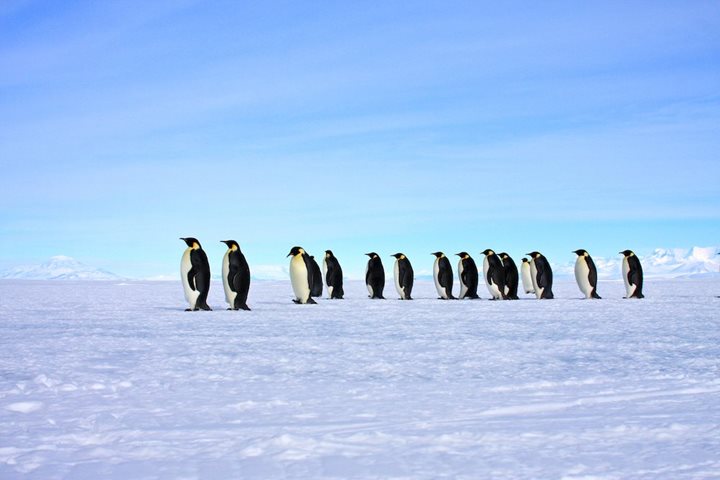
Guests aboard National Geographic Explorer had an exceedingly rare wildlife sighting the other day in Antarctica when they spotted an isabelline Gentoo penguin. This individual has a rare mutation that’s found in about 1-in-100,000 penguins lending it a grayish yellow-blond color instead of traditional black-and-white.

The name of the color, isabelline, comes to us from a story about the Archduchess of Austria’s underwear, believe it or not.

Our undersea specialist David Cothran tells the story: “The color itself is named isabelline, from the story of Isabella, the Archduchess of Austria who pledged that she would not change her undergarments until her husband the Archduke returned victorious from the Siege of Ostend. Unfortunately, the siege lasted not a few days but over three years and by the end of that time, so the story goes, the Archduchess’ undies had taken on the yellow-grey color that now bears her name. Despite the off-color (!) story, it was very exciting to encounter this rare and really quite beautiful bird.”

A Rift Grows in the Antarctic Ice


A year ago NASA researches flying over Antarctica’s Pine Island Glacier noticed a massive rift in the ice running for 18 miles across part of the glacier’s floating tongue. On a more recent flyover, they’ve recorded a second rift and noted that the original open further. When the rift finally reaches all the way across the ice, the glacier will calve and fall into the sea creating an enormous iceberg in Pine Island Bay. In the past, large icebergs have calved off Pine Island Glacier, but this will be the largest in decades and will leave the front of the glacier farther back than any other time in the recent past.

NASA has an animation of the rift forming over the past year online. And if you’d like to explore Antarctica for yourself, join us there aboard National Geographic Explorer.