Princess Royal Island & Jackson Passage, 9/9/2013, National Geographic Sea Bird
Aboard the
National Geographic Sea Bird
Alaska
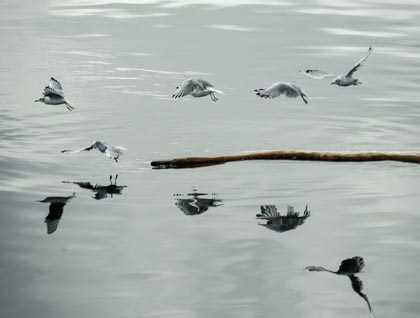
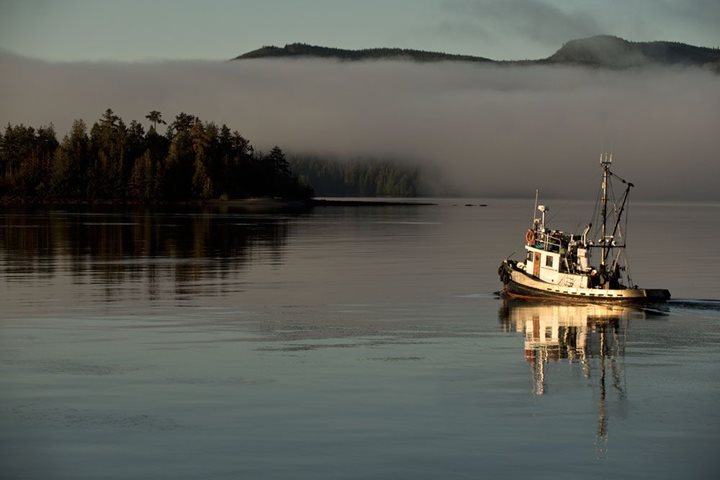
A foggy morning greeted us today as we explored some of the many waterways of British Columbia’s Inside Passage searching for wildlife and the elusive spirit bear of Princess Royal Island. Sadly, nature was not doing spirit bears this morning but did provide us with glassy waters, Bonaparte’s gulls, eagles, and humpback whales.
After breakfast National Geographic photographer Flip Nicklin shared his humorous and informative talk titled “It’s Okay to Shoot People,” inspiring all aboard to raise their cameras to frame different subjects during the rest of the voyage.
During lunch we entered the narrow and scenic Jackson Passage at the south end of Roderick Island taking the ship as far as it could go before anchoring and exploring the narrowest section in our expedition landing craft and stopping for brief shore excursions.
Naturalist Bette Lu Krause prepared us for tomorrow’s adventure in Alert Bay with an absorbing lecture during the afternoon’s cruising and we finished the day with cocktails and a taste of British Columbia’s excellent cheeses.
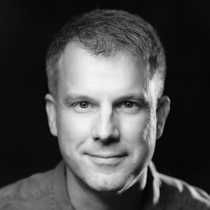
A climber, diver and storyteller, Jonathan Kingston has traveled to some of the most remote corners of the world, documenting tribal life in India’s Nilgiri Biosphere Reserve, creating photogrammetric models of underwater archaeological sites and mor...
National Geographic Sea Lion arrived into the city of Queen Charlotte at 6:00 a.m. this morning. The sunrise made its way over the hill behind Queen Charlotte to light the harbor and surrounding waters. A fishing boat made its way out of the harbor and passed with its reflection along the still morning waters. Slowly, everyone prepared for our morning destination at the Haida Heritage Center. Our group was divided into two smaller groups, and half of us went outside to view the totem poles. Each pole represented a specific Haida community and the collection of stories presented in Haida carvings. We came to a carving shed, where four hand-decorated Haida canoes were resting. Guests of the other group then spent their time inside half of the museum seeing one of the finest collections of totem poles, argillite carving, old and new weavings, and several new exhibitions newly opened at the Heritage Center. After our visit to this fine Haidan interpretive center, we took a short ride to the Balancing Rock, a well-known site in Haida Gwaii. A large rock sits on a tiny point where it “balances” for all to see. Gorgeous weather, not a breath of wind, new spring plants and bird song surrounded us. Finishing out our first day in Haida Gwaii, we spent our afternoon walking the Spirit Lake Trail. For two hours a variety of walks enjoyed the Haida Gwaii’s version of a coastal temperate rain forest; albeit, on a very warm, sunny day! Large western red cedar, giant western hemlock, Sitka spruce, and massive groves of red alder, along with all the new soft green leaves of early spring plants pushing their way towards the sun. Returning in the late afternoon to National Geographic Sea Lion , our ship departed immediately, heading south toward tomorrow’s destination. On the way, a California grey whale decided to surface with its heart shaped blow, making our third whale species sighted for this trip! Slowly in the late light of the day we continued our voyage to explore our next destination, traveling in the ancestral territory of the Haida people.
A Final Night’s Expedition Report It started with a tour of Sitka town, where ravens are raucous and eagles abound, Tlingits and Russians and rainforest tall, church, shops, and totems, we saw it all Then embarked the ship, intros and a sip, and slipped away North, as explorers went forth unsure what we’d find but with bears in mind, and then, there, we saw one, furry and rotund, hoping to be fatter, fishing near a salmon-stream-ladder. Next it was whales, a few blows, a few tails, then look! the great prize the bubblenet guys! A mountain of whales erupt from the sea front row to the feast: you and me. In Chatham Strait, orcas, great, in Glacier Bay, a gorgeous day. Mama bear on the beach, goats within reach, sea lions groaning, a walk in the gloaming. Then Point Retreat Light and a forest wander we were wet while we listened and pondered: how did Dave stay dry in the rain? and could we cross that rocky beach again, without pain? Juneau the gold town, now a government place waterfalls racing at a furious pace the museum with its treasures and opportunity to measure huge ships versus ours (we gave ourselves four stars). Tracy Arm sculptures of ice crystal blue steep rocky cliffs that it carved right through, small boats and a walk then in for some talk while we sailed to the town where they plundered wealth from the sea, and we wandered the docks and look under to see creatures thriving, like those Justin sees diving. Now onward, to Snow Pass, the whales they are waiting we watch for their lunges, with breaths abaiting. The beautiful sunset of another day predicts Misty Fjords, not misty, where we play in kayaks and boats. Salmon float. Prince Rupert is Canada, B.C. at last where Tsimisian culture stretches into the past we are honored guests at the Winter Feast from the greatest of clans, down to the least. A morning of cruising, the shorelines perusing then into the boats to see nudibranchs wave like fans, and tall trees. Or a forested walk, on the mossy ground where our footfalls made nary a sound while the tide crept in, forcing a rest or a swim, or a footsoak – Luna was best. In Alert Bay we learned and made merry with story and dance, and blackberry, then on to the dolphins, sleek grey and white on the bow, all around, there’s no word but: delight. Though we squeezed in a talk, the cameras weren’t done; here’s the challenge of shooting orca whales in the sun. Ripple Rock, Seymour Narrows, and on, ever South we’re experienced sailors, it’s been a long path, and we sail the San Juans with smiles on our faces; we’ve found friends and been to these wonderful places. Now the ending is near to our epic trip, but to finish this poem, here’s Nat Geo guy Flip: “Oceans are blue, killer whales are black and white, It has been a great trip, have a good night”.
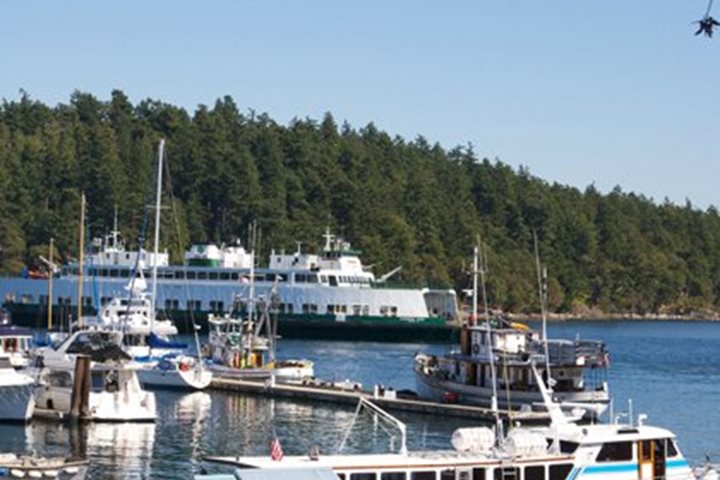
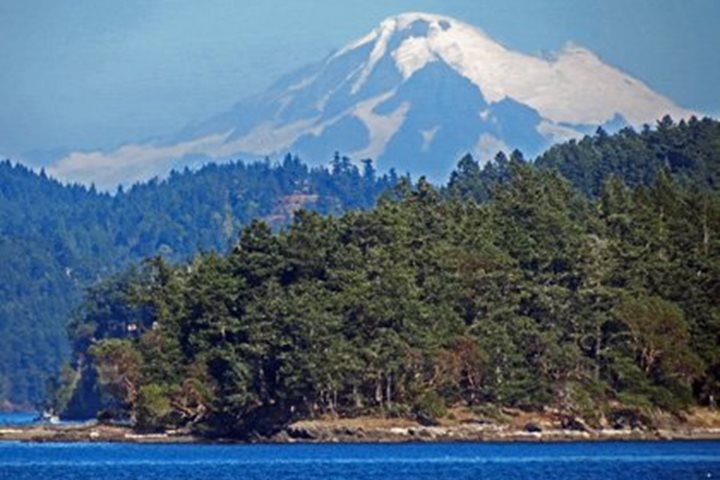
On the final day of our expedition we woke to sunny skies and following winds, still cruising south in the Inside Passage of British Columbia, Canada, with Vancouver Island to our starboard side and mainland British Columbia, Canada, to the east. At almost 300 miles long and 12,407 square miles in size, Vancouver Island is the world’s 43rd largest and Canada’s 11th largest island. From our vessel we could see the snow- and ice-clad highest point at slightly over 7,200 feet above sea level. We used the day to wrap up the photography program, with presentations and one-on-one sessions. The exceptional photo team has encouraged, enlightened, and educated us enough to have the confidence to proceed to higher levels of creativity and enjoyment. This popular and successful program has enhanced guests’ experiences and strengthened the relationship between National Geographic and Lindblad Expeditions. We left Georgia Strait through the swirling waters of Porlier Pass and cruised through the scenic Gulf Islands. Mount Baker, a Cascade volcano on mainland Washington State, made a stately appearance to the east. There was no shortage of sunshine during our bouts on deck. In the afternoon we passed through U. S. Customs in Friday Harbor on San Juan Island and then had a chance to wander through the picturesque town on this beautiful day, visiting the whale museum and various shops before returning to the ship for the viewing of the guest slideshow, our festive final recap and farewell dinner. We remained docked for those who wanted to return to town afterwards, and then the National Geographic Sea Lion began the cruise toward Seattle. We will have many fine memories and photographs from this expedition.