Best Places Around the World for Stargazing
The stars are one of humanity’s true universal languages. They’ve served as a compass, a muse, and a constant source of light across cultures for time immemorial. Today, however, a third of the world’s population can no longer see the Milky Way due to manmade light pollution, including 99 percent of the continental United States. Electricity has paved the way for endless opportunities, but in many cases, it’s also cost us our connection to the cosmos. To rediscover the wonders of the night sky, we have to go beyond our own backyards.
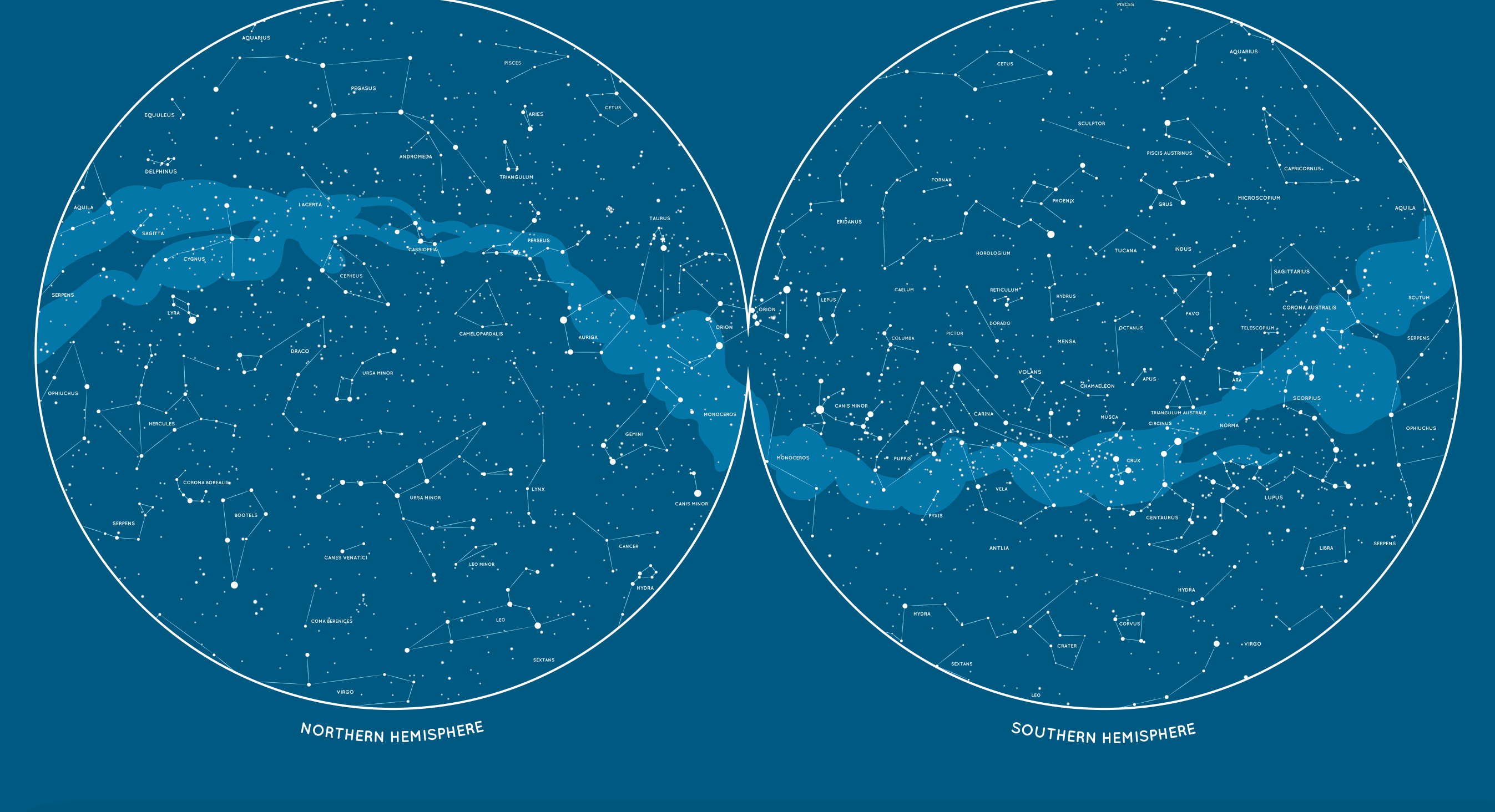
Star maps showing the constellations in both hemispheres.
Top Tips for Viewing the Night Sky
Before booking a sojourn to darker skies, you'll want to brush up on some tips for stargazing. Skillwise, it seems as simple as looking up, but the key is being in the right place at the right time. Conditions are best in remote areas, and on cloudless nights during a new moon. The second most important skill is patience; it takes time for human eyesight to acclimate to pitch black. Even in the best places to see stars, you may not be immediately dazzled. Closing your eyes for 20-30 seconds might help expedite your transition to “night vision,” or you could borrow a trick from avid astronomers and wear sunglasses all evening before heading out.
After 10-15 minutes in the dark, the depths of the galaxy will begin to reveal themselves. Hoping to spot blazing meteors and orbiting satellites among the more static celestial bodies? Relax your gaze and try focusing on your peripheral vision, which is better at picking up subtle movements.
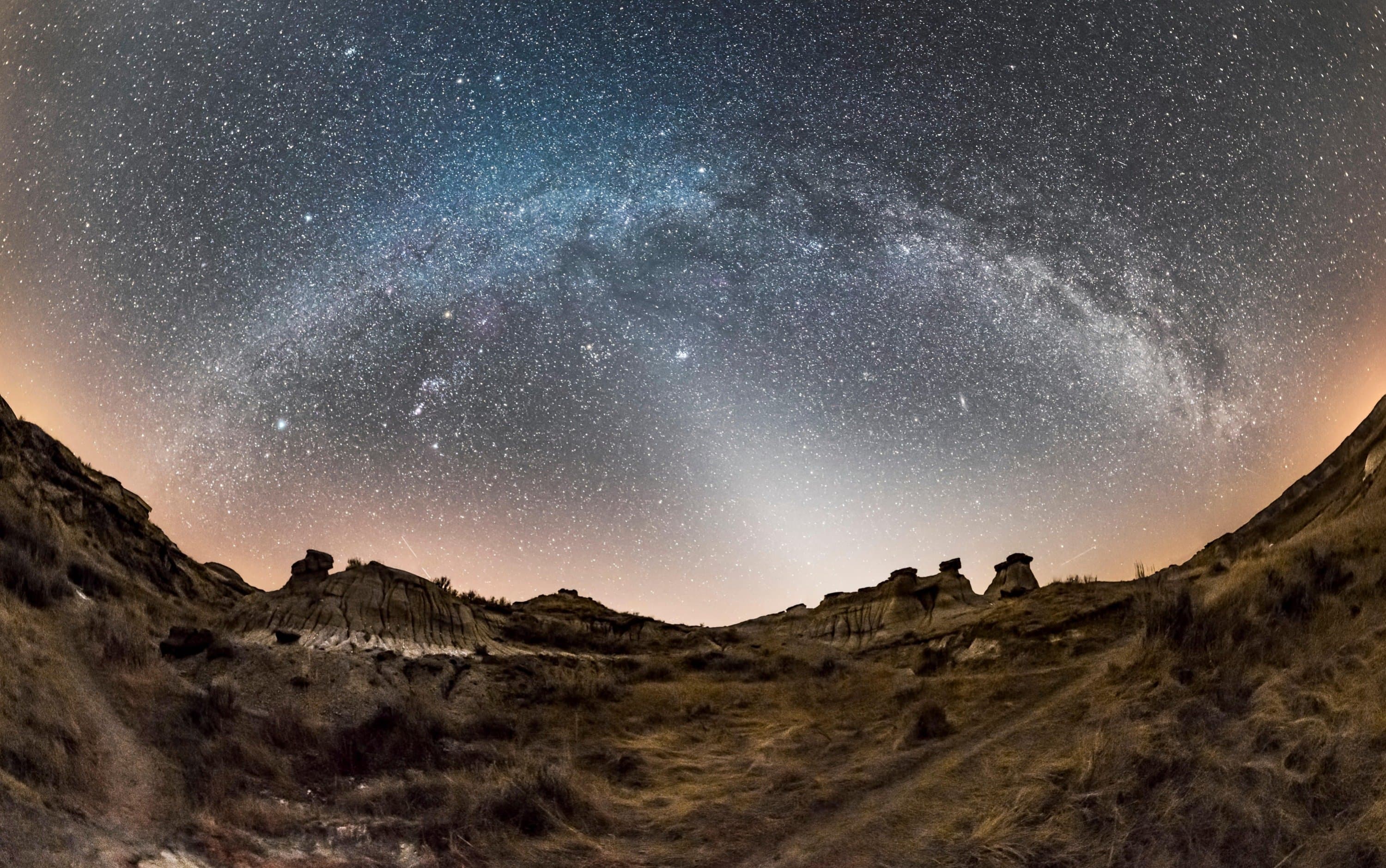
A view of zodiacal light, a cone of luminous white light that appears an hour or so after sunset or right before dawn.
If you’ll need artificial light to navigate trails, be sure to bring red LEDs, which are least obtrusive. And to avoid the bright beam of your phone screen, familiarize yourself with the area’s constellation chart in advance. Stellarium, an open-source planetarium for your computer, allows you to simulate the stars in 3D from locations across the globe.
Once you’ve got your aerial bearings, you won’t need NASA’s James Webb telescope to take amazing photos of the stars. Cameras with ultra-wide lenses and the capacity for long exposures are nice-to-haves, but a steady tripod tops the list of the best gear for astrophotography. Binoculars, too, will open up even more to explore above. Take advantage of the OM System Photo Gear Locker on board the Lindblad-National Geographic fleet and borrow some gear to test drive out in the field.
Now, it’s time to take your eyes to the skies! From the sprawling deserts of South America to some of Earth’s most isolated isles, these remote, dark sky destinations boast some of the world’s best stargazing.
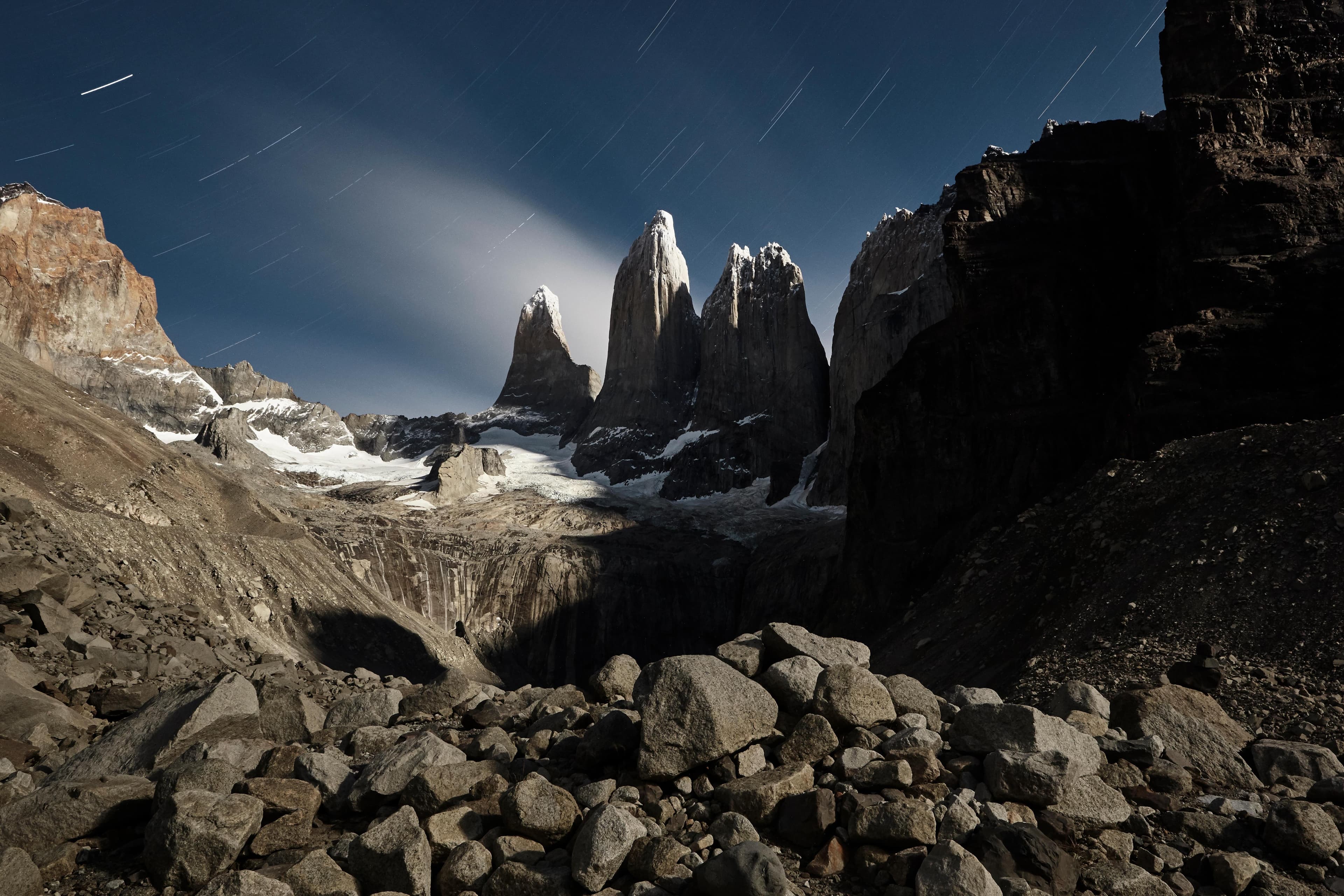
Torres del Paine National Park, Patagonia
Home to an estimated 70 percent of the world’s telescopes, Chile is considered the global capital of astronomy. While many observatories are located in the Atacama Desert, Patagonia shares its low levels of light pollution, high altitudes, and lack of precipitation. By day, Torres del Paine bursts with epic scenery—snow-capped mountains, windswept pampas, iconic wildlife—but an even more breathtaking show awaits after sunset, when the glittering universe seems to be made of more stars than sky.
Channel Islands National Park, California
Many of America’s National Parks have earned International Dark Sky Park status, and this five-island nature preserve is one of the darkest among them. Less than 100 miles from Los Angeles and its particular brand of Hollywood stars, these rugged, volcanic isles seem to transport you back in time to a prehistoric Californian coast—with the inky blue-black skies to match. A tip from our expedition developer Karen Kuest: the best celestial views are often out over the Pacific, so focus your gaze westward, away from the coast.
View Channel Islands Itinerary >
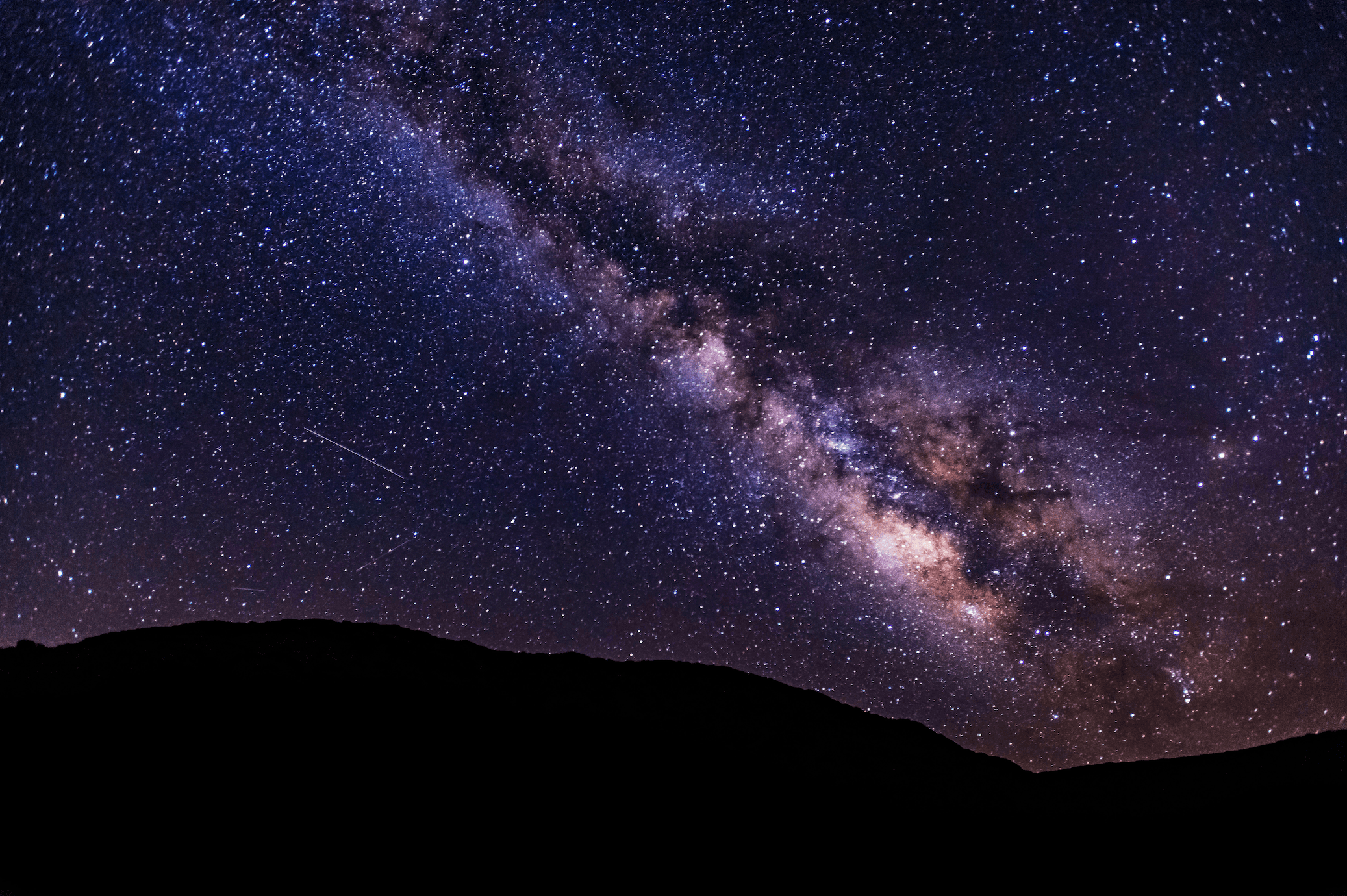
Guna Yala, Panama
Sprinkled in the Caribbean Sea off the northwest coast of Panama, the tiny islands that make up the Guna Yala archipelago (formerly San Blas Islands) are a prime place for stargazing. The indigenous Guna people, who inhabit just four dozen of the 300-plus islands, still live by the traditional ways of their ancestors—including little to no access to electricity. When night falls, pure darkness takes hold as a curtain of twinkling stars and constellations unfurls across the sky. Lindblad Expeditions-National Geographic voyages to Guna Yala coincide with the new moon, ensuring a breathtaking starry display unmarred by any moonlight.
View Panama and Caribbean Itinerary >
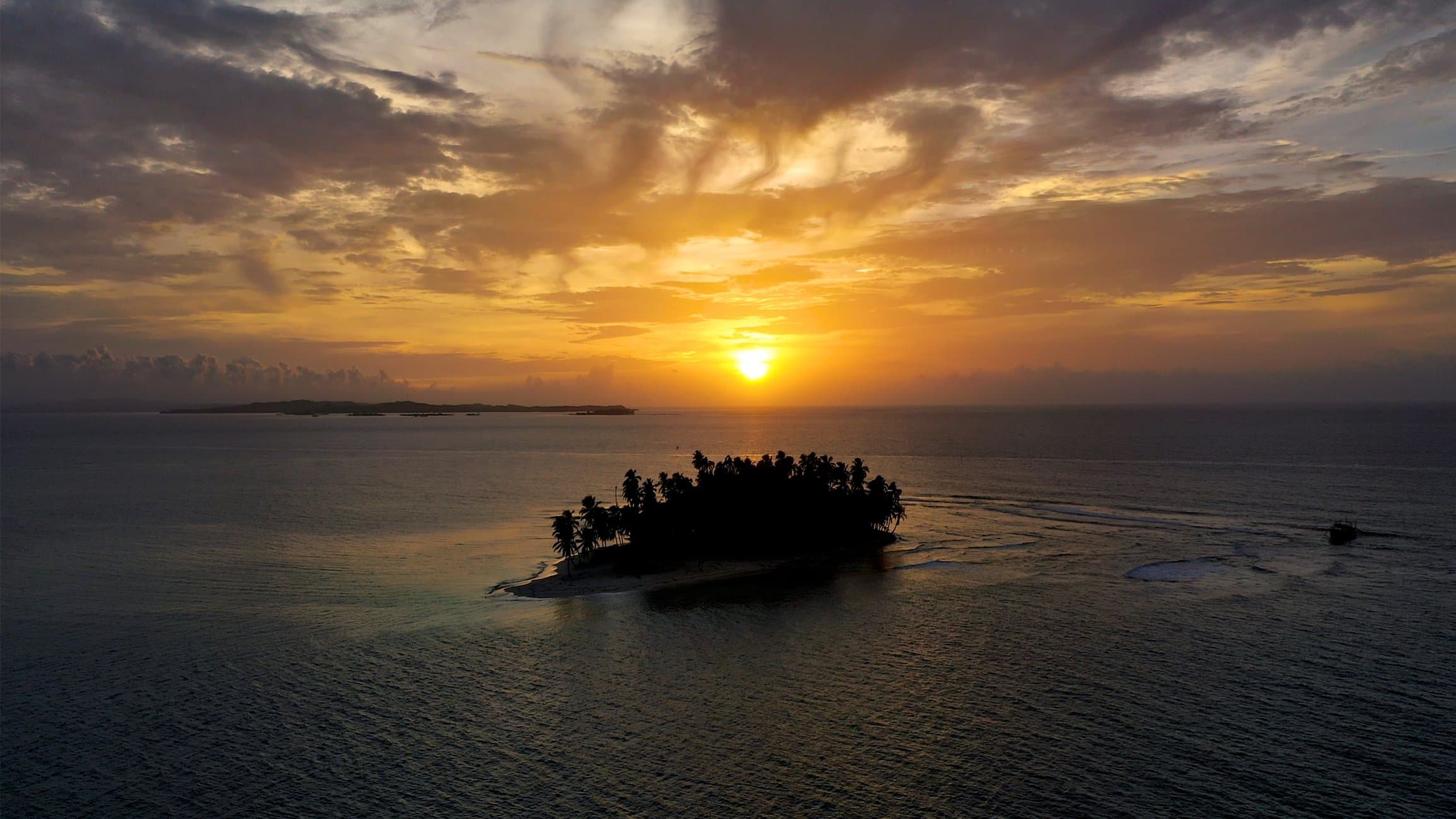
Easter Island (Rapa Nui), Chile
Among the towering moai statues, stargazers on Rapa Nui can take in the wide-open southern skies from one of the most remote inhabited places on the planet. As early as 800 C.E., Polynesian wayfinders navigated using the same stars to reach this enigmatic enclave in the middle of the Pacific. Head out just as the sun is setting to catch the tropical phenomenon of zodiacal light, a reflection of meteoric dust that hovers over the horizon in a fleeting, ethereal glow.
View Easter Island Itinerary >
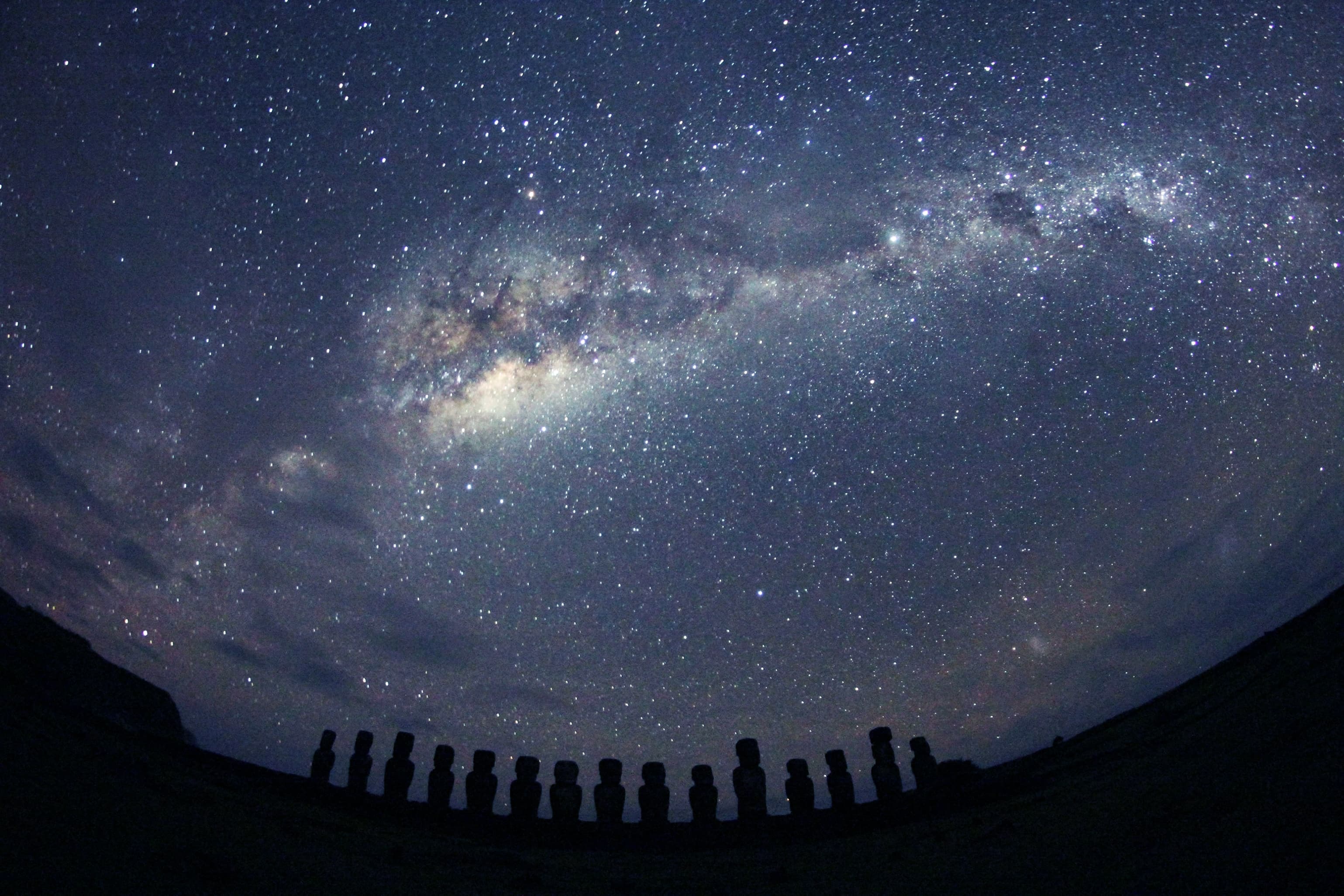
Galápagos Islands, Ecuador
Isolation, clear skies, desert climate: the same conditions that have fostered a myriad of charismatic wildlife also happen to be ideal for stargazing. This legendary archipelago straddles the equator about 600 miles from the Ecuadorian coast, so light pollution is remarkably low. This latitude also offers a rare opportunity to observe both the northern and southern hemisphere’s constellations as they make their nocturnal promenades across the black velvet backdrop of space.
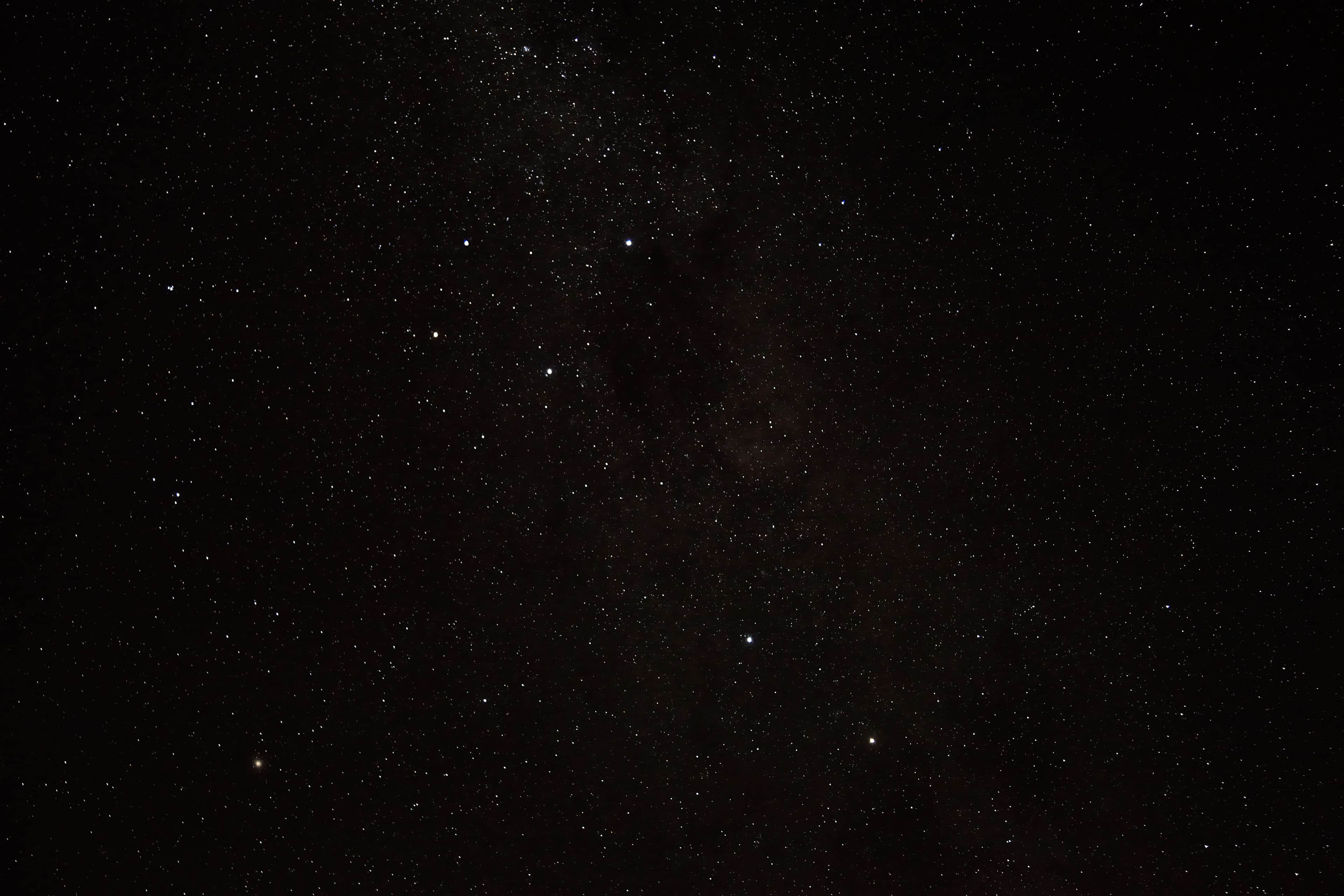
Guanacaste, Costa Rica
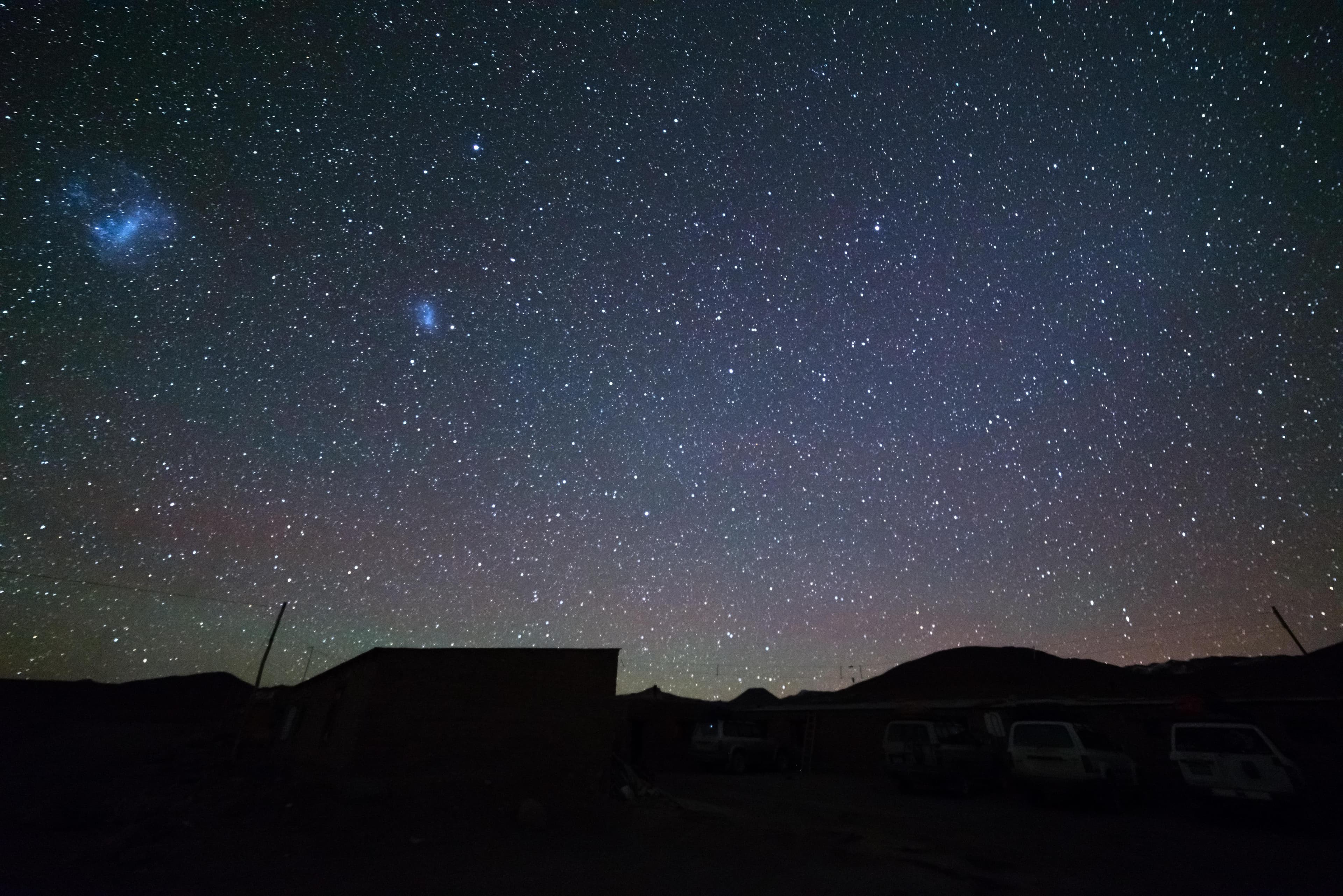
Costa Rica’s northwesternmost province is best known for its picture-perfect beaches and tropical rainforest. During the dry season, Guanacaste also becomes a stargazer’s paradise. It’s one of the only places in the Northern Hemisphere with a view of the Magellanic Clouds, two luminous dwarf galaxies that orbit our own. Countless other astral wonders await, from the steadfast Southern Cross to the fiery tendrils of the Carina Nebula. And don’t forget to look down! The ocean hosts another sparkly spectacle: the blue-green glow of bioluminescent plankton.
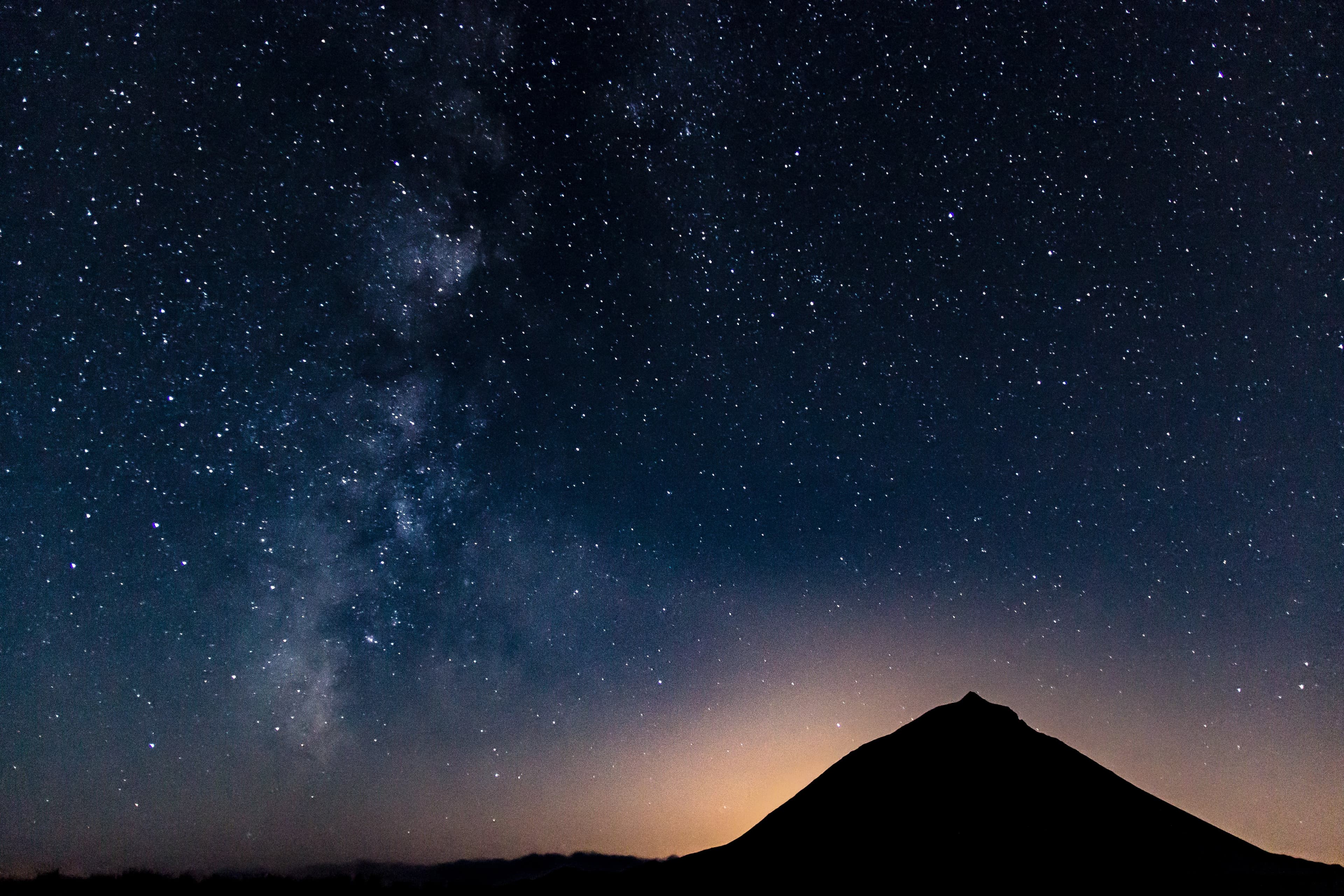
The Azores, Portugal
Volcanic craters, lush forests, and rolling green pastures aren’t the only stunning sights you’ll encounter in the Azores. These remote islands, which sit roughly 1,000 miles from the Portuguese coastline in the middle of the Atlantic, offer ideal conditions for astral activities. Although they’ve never been certified as an official Dark Sky Place, they certainly seem deserving of the accolade, especially when you’re at sea away from the lights of the nearest towns. On a clear night, stand on the ship’s bow and watch in awe as the whole of the Milky Way sprawls out above you. If you’re lucky, you may even spot a shooting star or two.
View Atlantic Isles Chronicle Itinerary >
View Islands of the Azores Itinerary >
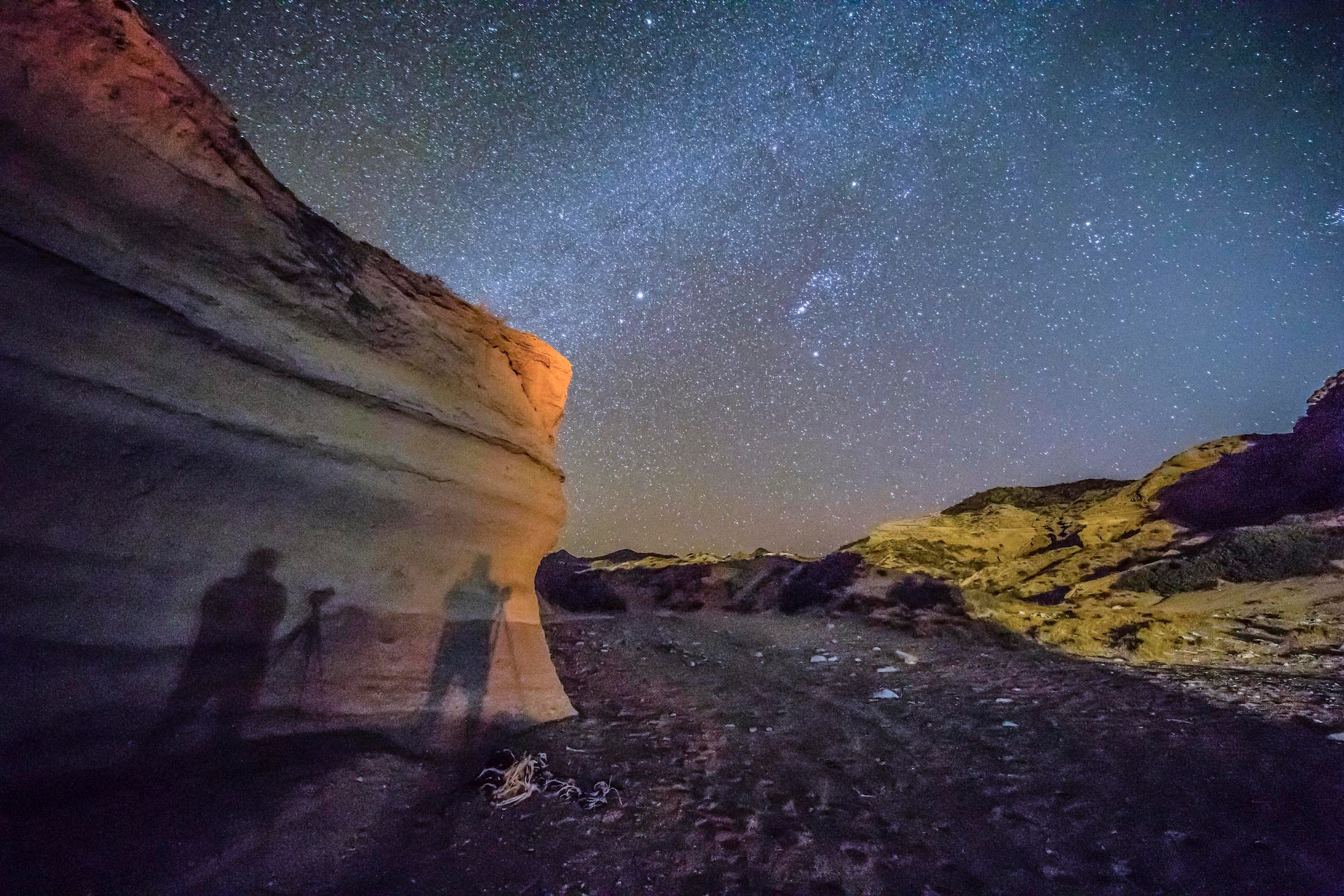
Baja California, Mexico
In Baja California, the light is legendary. Sunrises and sunsets are stop-everything-and-stare events—where even the elusive green flash might make an appearance. As darkness sets in, see if you can find familiar constellations like the Big Dipper and Orion in a new context. Here, the sky’s clarity is often razor-sharp, even without binoculars. Though, you may want a pair to “zoom in” on Omega Centauri, which looks like a blurry star to the naked eye, but is in fact an unfathomable cluster of 10 million stars, 16,000 lightyears away.
View Baja California Itineraries >
Photo: Michael S. Nolan
Java, Indonesia
In the tropics, twilight is short. Just moments after the sun sinks below the horizon, nightfall lowers its deep blue curtain and the show begins. Some of the first stars to emerge will likely be the four crystal-clear points of the Southern Cross, a beacon of nocturnal navigation for thousands of years. Indonesia is also one of Asia’s best places to see the Milky Way, which—when situated above the island’s 45 active volcanoes—paints the sky with its own form of astronomical eruption.