National Geographic Explorers-in-Training: The Ultimate Family Program
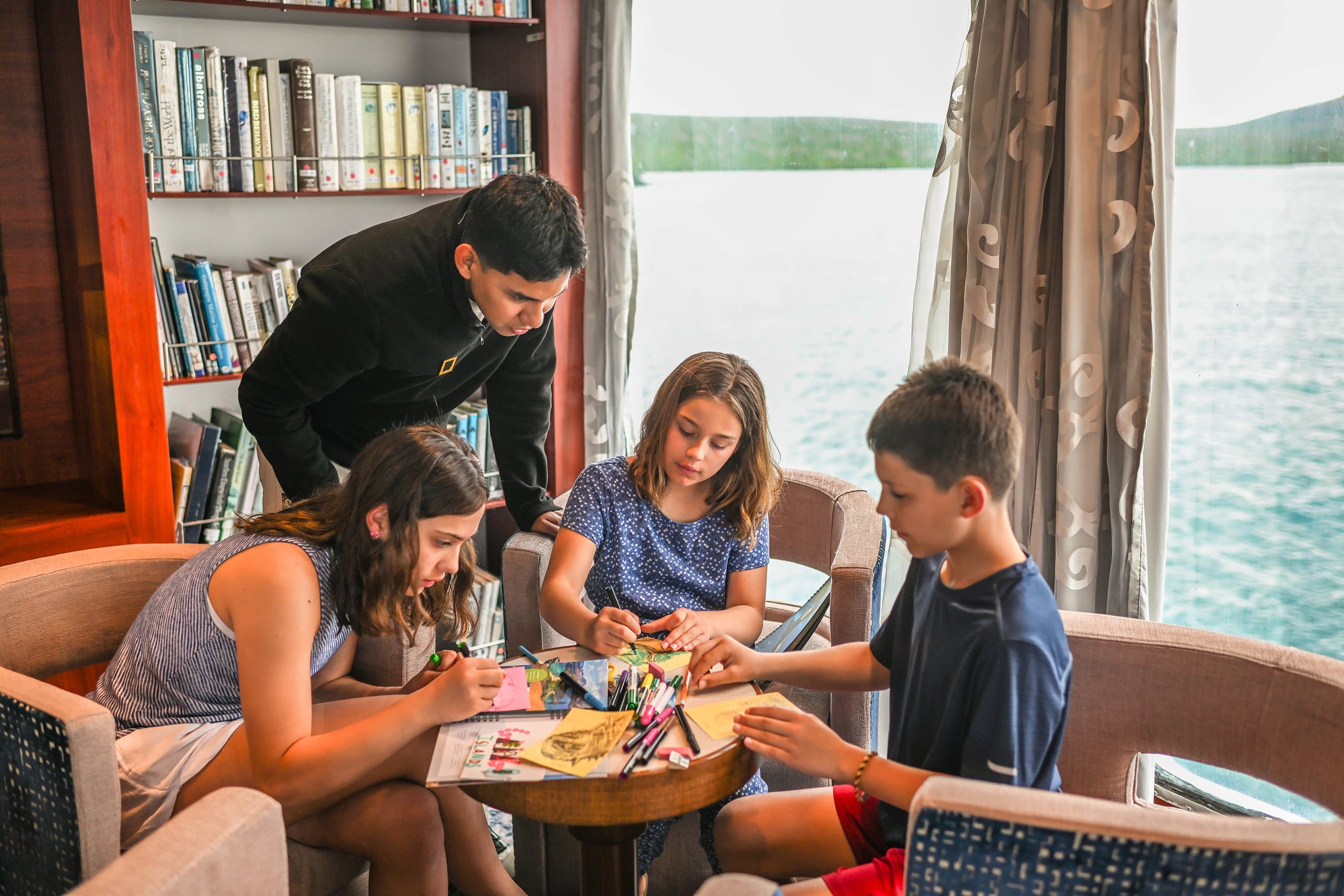
One of the most rewarding sights on expedition is witnessing the spark of curiosity in a young traveler, whether they’re locking eyes with a sea lion while snorkeling or standing at the edge of a boisterous penguin colony. These one-of-a-kind moments are especially meaningful when complemented with the learning opportunities in our exclusive National Geographic Explorers-in-Training program.
Offered aboard select destinations from Alaska to Antarctica, this hands-on program helps kids and teens foster a passion for exploration and the natural world as they engage in immersive activities that are both educational and fun.
“All of the activities have been thought through very deeply,” shares Tanish Peelgrane, a National Geographic certified field educator who helps facilitate the program when she’s aboard ship. “They promote exploration, they’re very open-ended and they really take into account learner-centered teaching methods, which makes them really cool,” she says.
From being part of a plankton tow in Baja California to building an ice cream sundae glacier in Alaska, each day brings new opportunities depending on the destination and the broader expedition experiences planned.
Kids are free to participate whenever they feel like it and to follow their interests, whether that’s photography, geology, navigation or wildlife. “It’s never required for them to join, but it’s a really wonderful way to enhance the experiences you’re having as a family in these remarkable parts of the world,” says Peelgrane. Read on to discover some of the ways your young adventurers can connect more deeply with these wild and wonderful destinations.
Baja California: Be Part of a Plankton Tow
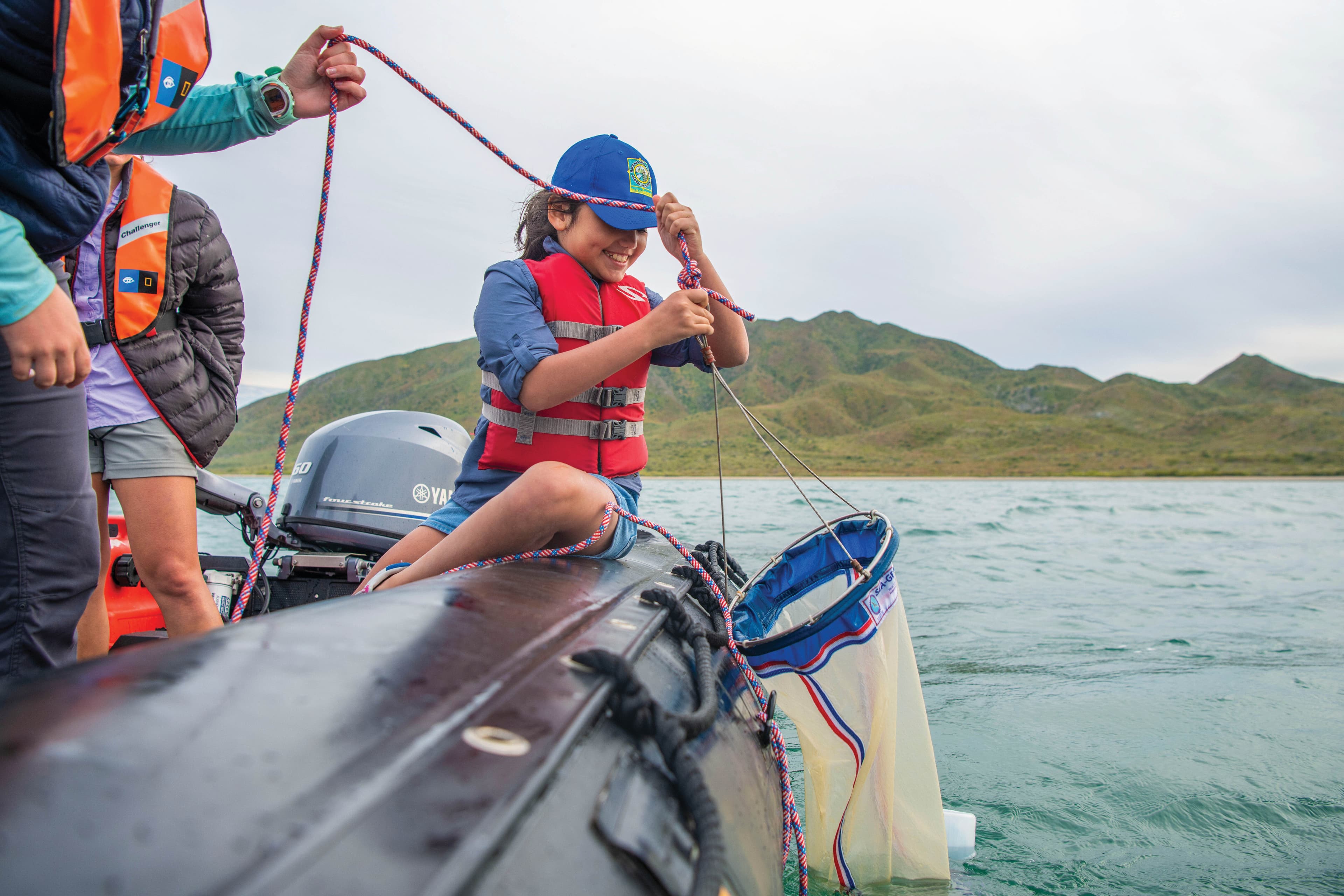
Plankton are a key source of food for whales, fish and other large marine life. Kids can head out in a Zodiac with their National Geographic certified field instructor and help drop a special plankton net into the sea to gather up some specimens. Back on board ship they’ll examine their catch under a microscope and discover what makes these very important, free-floating organisms tick.
Program runs on all Baja California departures
Photo: David Vargas
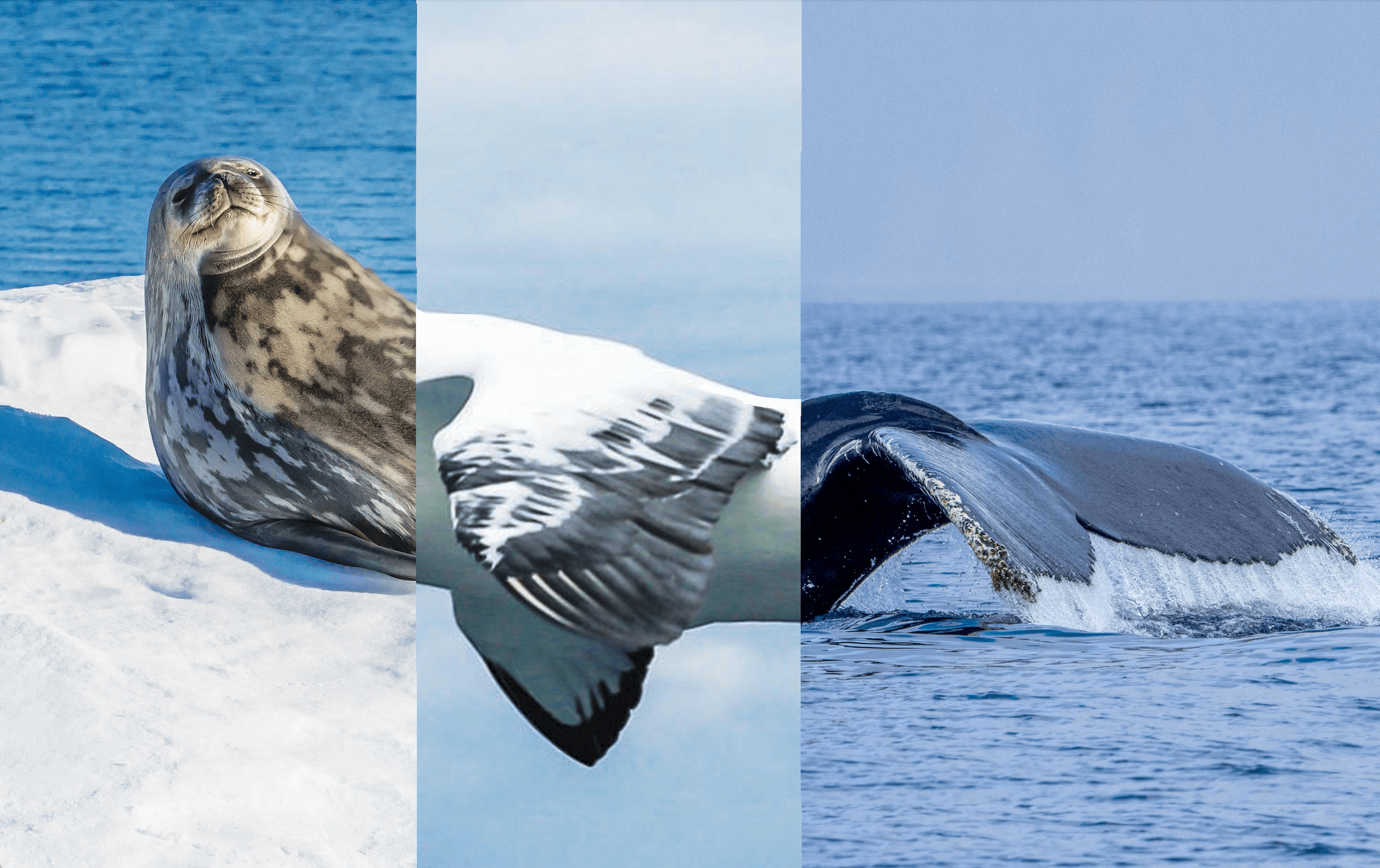
Antarctica: Create the Ultimate Antarctic Mammal
Picture being a creature that has to survive in the coldest place in the world. Would you prefer to have the blubber of a humpback whale, the teeth of a leopard seal, antifreeze like an icefish or the ability to swim like a penguin? In this activity to create the Ultimate Antarctic Mammal, kids can choose from all these adaptations—their imaginations are the only limit.
Program runs on select Antarctica departures: Voyage to Antarctica; Antarctica Direct: Sail and Fly the Drake Passage; Antarctica Direct: Fly the Drake Passage; and Quest for the Antarctic Circle
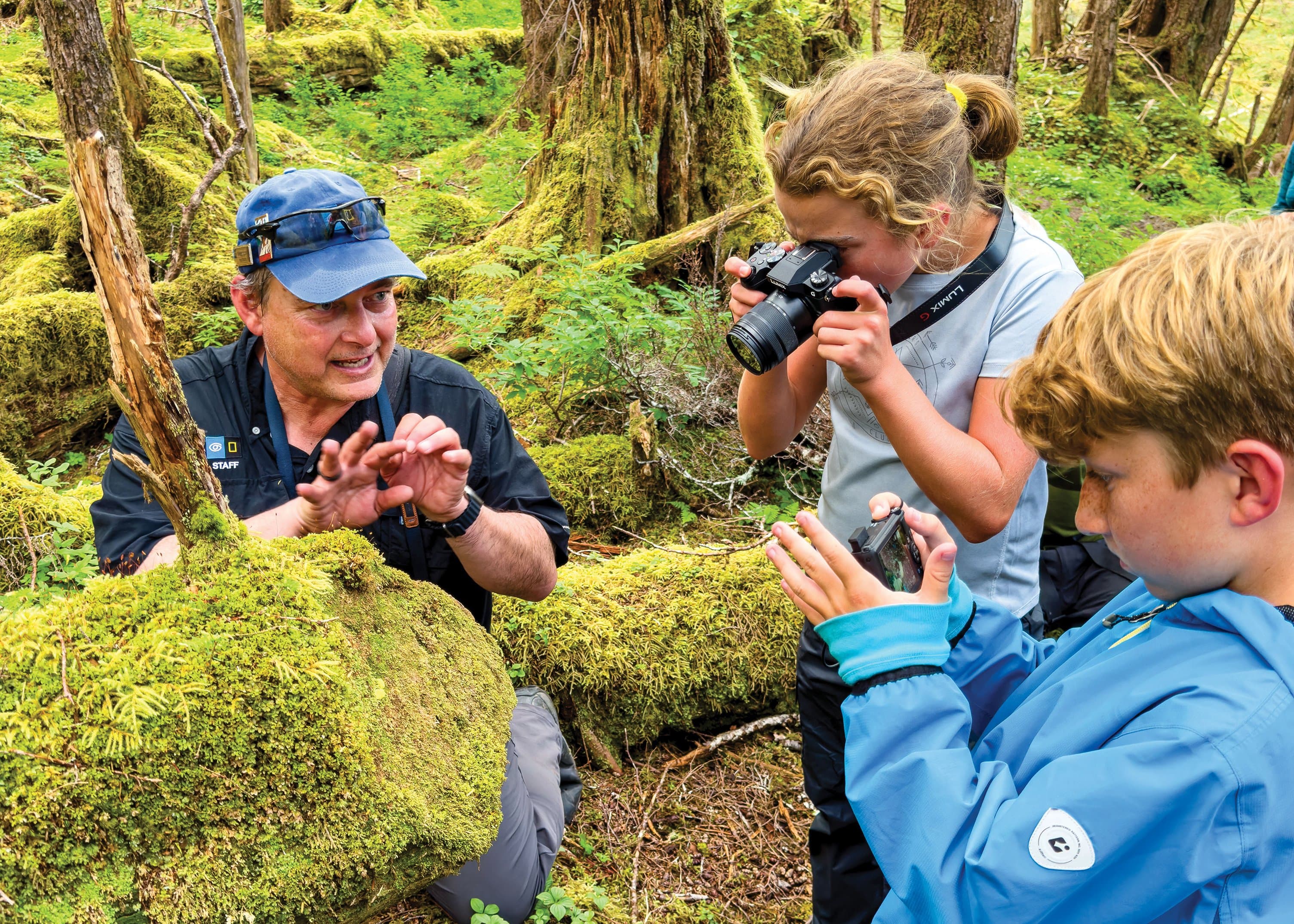
Alaska: Direct a Nature Documentary
Kids can work with a certified photo instructor to experiment with time-lapse, slo-mo and other cool video features on their smartphone as they head out into the field. Will they focus on soaring bald eagles with a six-foot wingspan or capture the thunderous spectacle of a calving glacier? Get a close-up of a giant bear track on the trail or pan across a river teeming with salmon? Using their observation skills and imagination they’ll learn to tell a unique story of the wild wonders around them.
Program runs on all Alaska departures
Photo: Sean Neilson
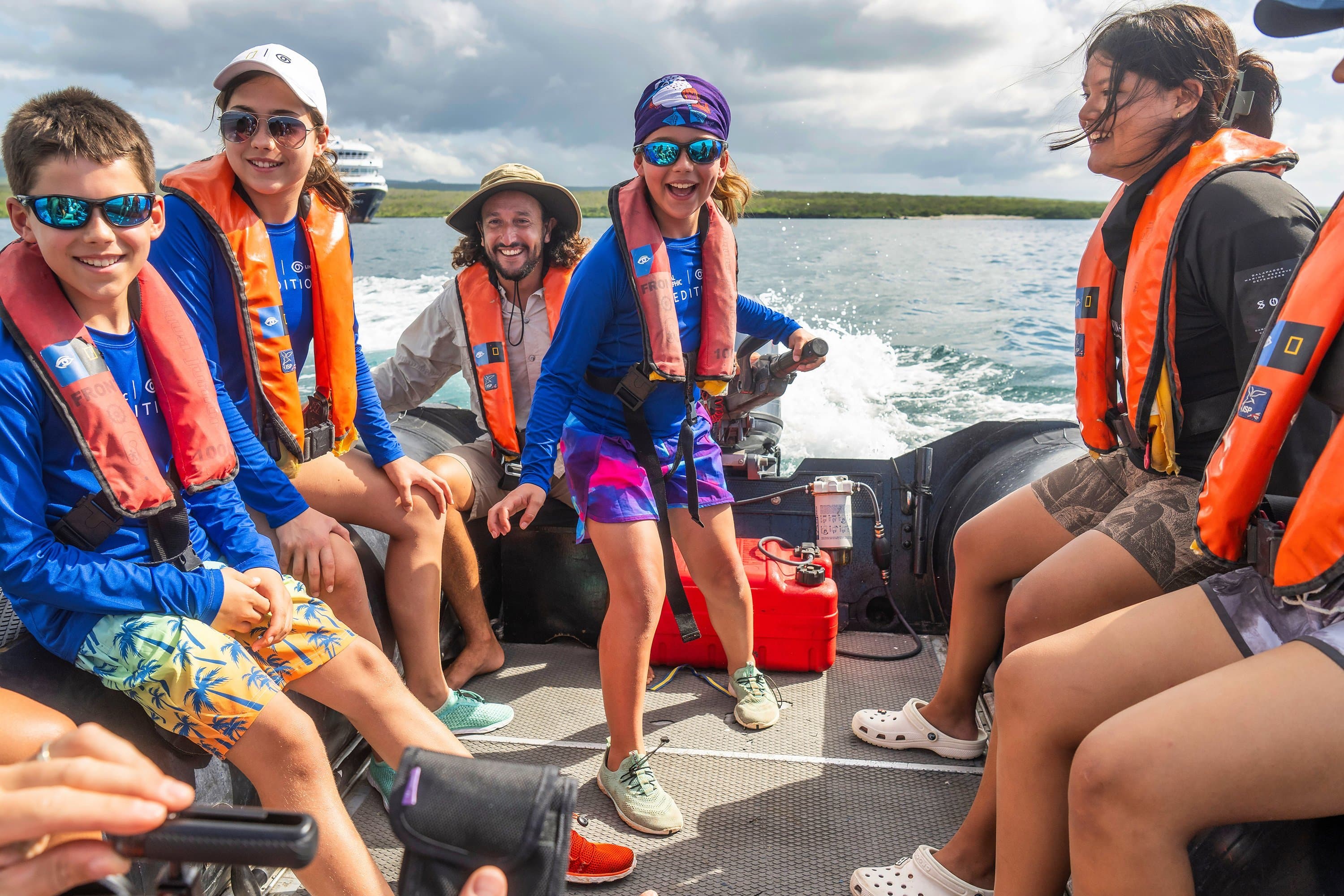
Galápagos: Earn a Zodiac Driver’s License
What’s cooler than zipping through turquoise waters with volcanic shores in the distance? Taking the reins and steering the craft yourself. With help from a National Geographic certified field instructor, kids will learn how to cruise through the water like a master navigator. When the lesson is complete they’ll take home their official driver’s license—now that’s something they’ll want to show and tell!
Program runs on all Galápagos departures
Photo: David Vargas
Iceland and Greenland: Help Track Whales as a Citizen Scientist
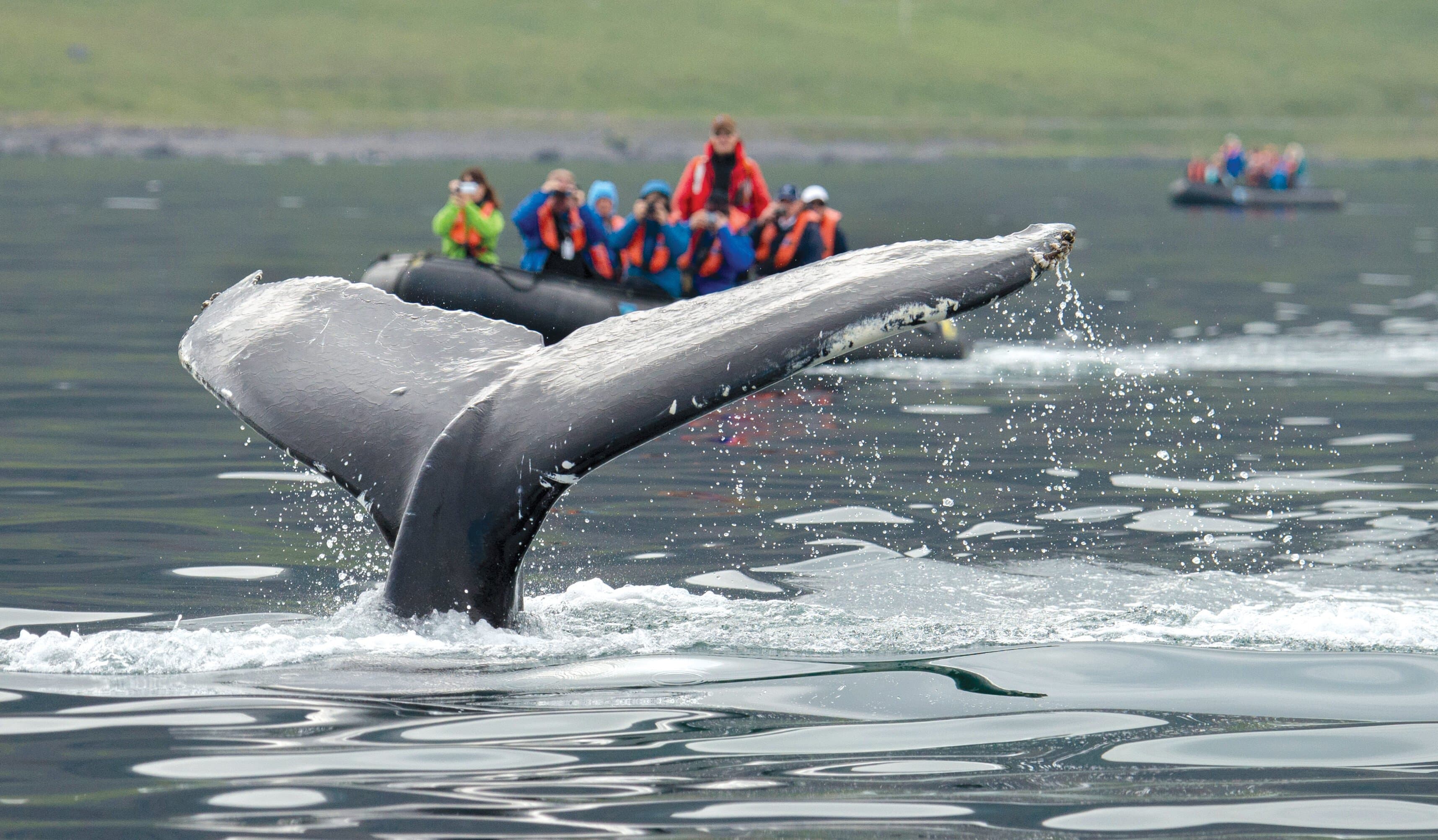
The Denmark Strait and waters surrounding Iceland attract a variety of whale species and your family will have the chance to spot them from the ship’s bow in places like Húsavík, which is said to be the “Whale Capital of Iceland.” Kids can capture photos of these migrating marine mammals and with help from their National Geographic certified field educator upload them to Happywhale—a global database that IDs and tracks cetaceans based on fluke images (think of them as whale fingerprints) sent in by citizen scientists around the world. The data that comes back might show how far that particular whale has traveled and it really helps build a connection to the wildlife they are seeing.
Program runs on select Iceland and Greenland departures: Wild Arctic Shores: Circumnavigating Iceland and Exploring Greenland and Arctic Edges: Iceland Westfjords to East Greenland
Photo: Eric Guth