Up to $2,000 Air Credit
- Iceland
- Greenland
- Arctic
- Europe
- Duration
- 8 Days
- Dates
- Jun, Jul
- Starting from
- $7,400 per person
Call +1.800.397.3348 or Request a Quote
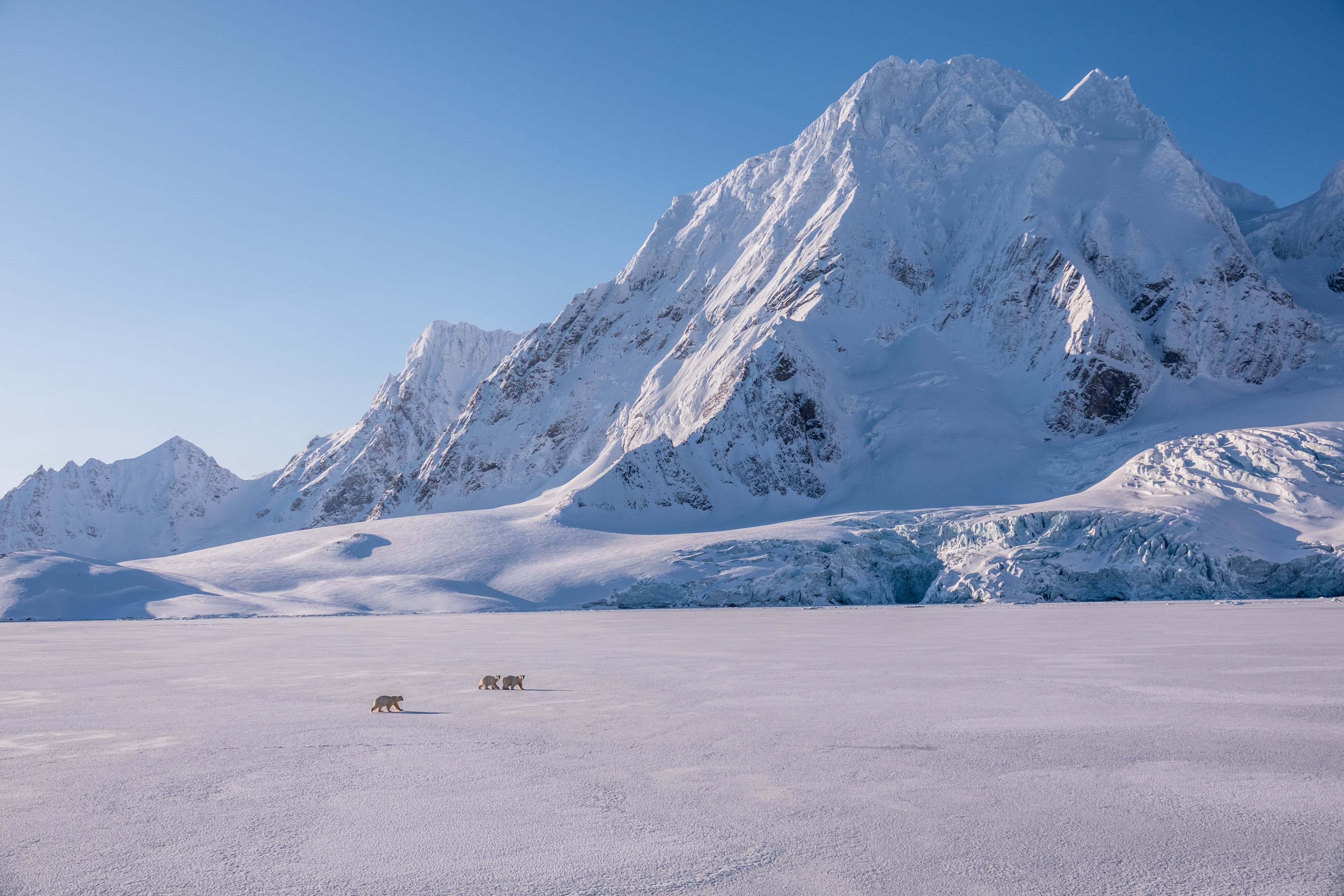
The wildlife that inhabits the Arctic is as diverse and fascinating as the region itself. As summer unfolds, the landscapes begin to churn with life, drawing travelers here for the chance to witness these creatures in their natural icy realm. Because these species have far-reaching habitats, you will have the chance to spot many no matter your itinerary, especially with long lenses and binoculars. From the sea to the skies to the frozen tundra, prepare for encounters of the wildest kind.
Seasonality: April–August
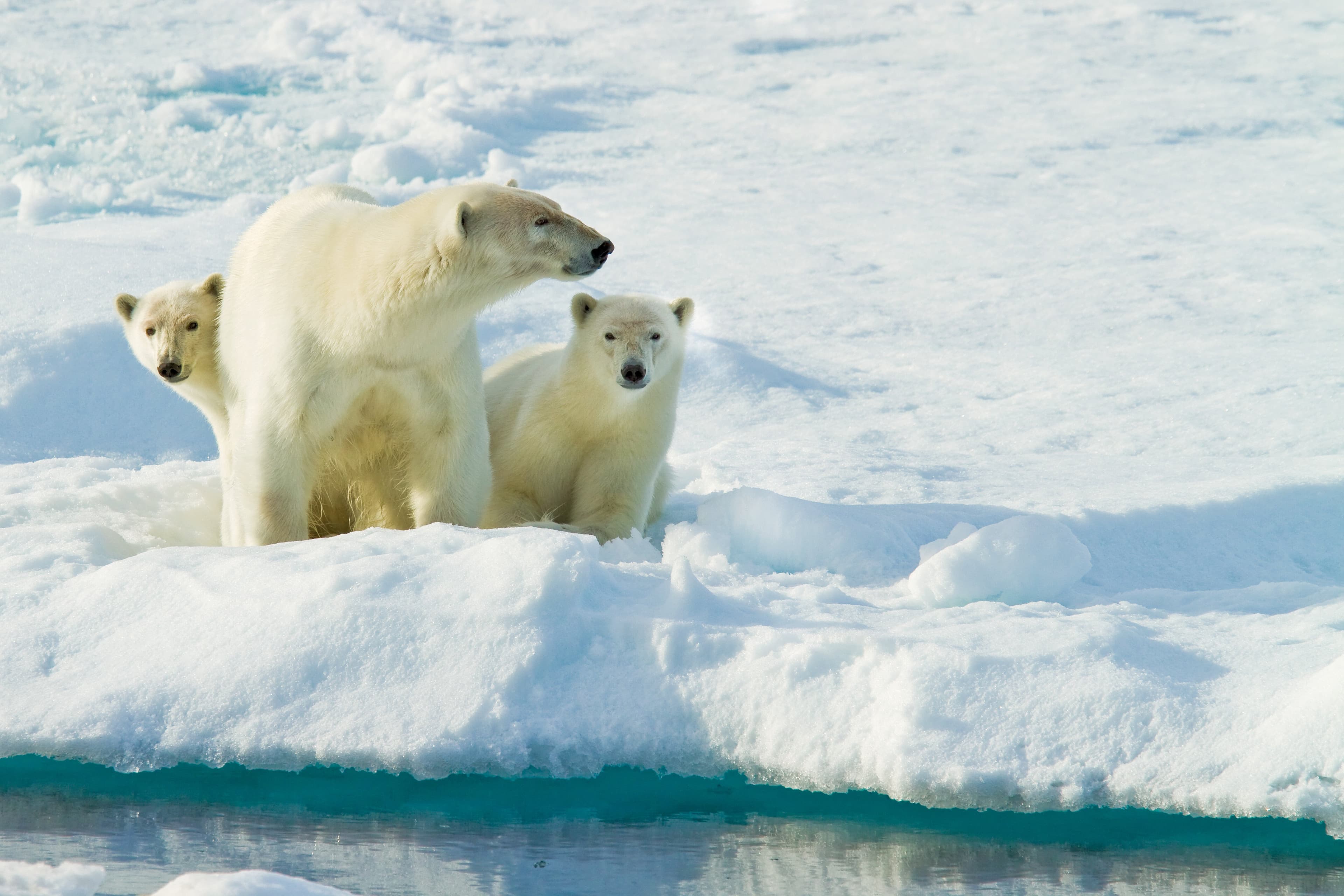
These apex predators have plenty of space to roam without intrusion as guests watch for them from the comfort of the ship. Long known as one of the best places to observe polar bears, Svalbard remains a stronghold for sightings, while Greenland and Canada also offer opportunities to encounter them in Arctic environments. Spotting a male hunting on the pack ice or a female with cubs playing in the endless summer sunlight are among nature’s most special wildlife encounters.
Photo: Ralph Lee Hopkins
This image was taken using a long-focus camera lens.
Seasonality: April–July
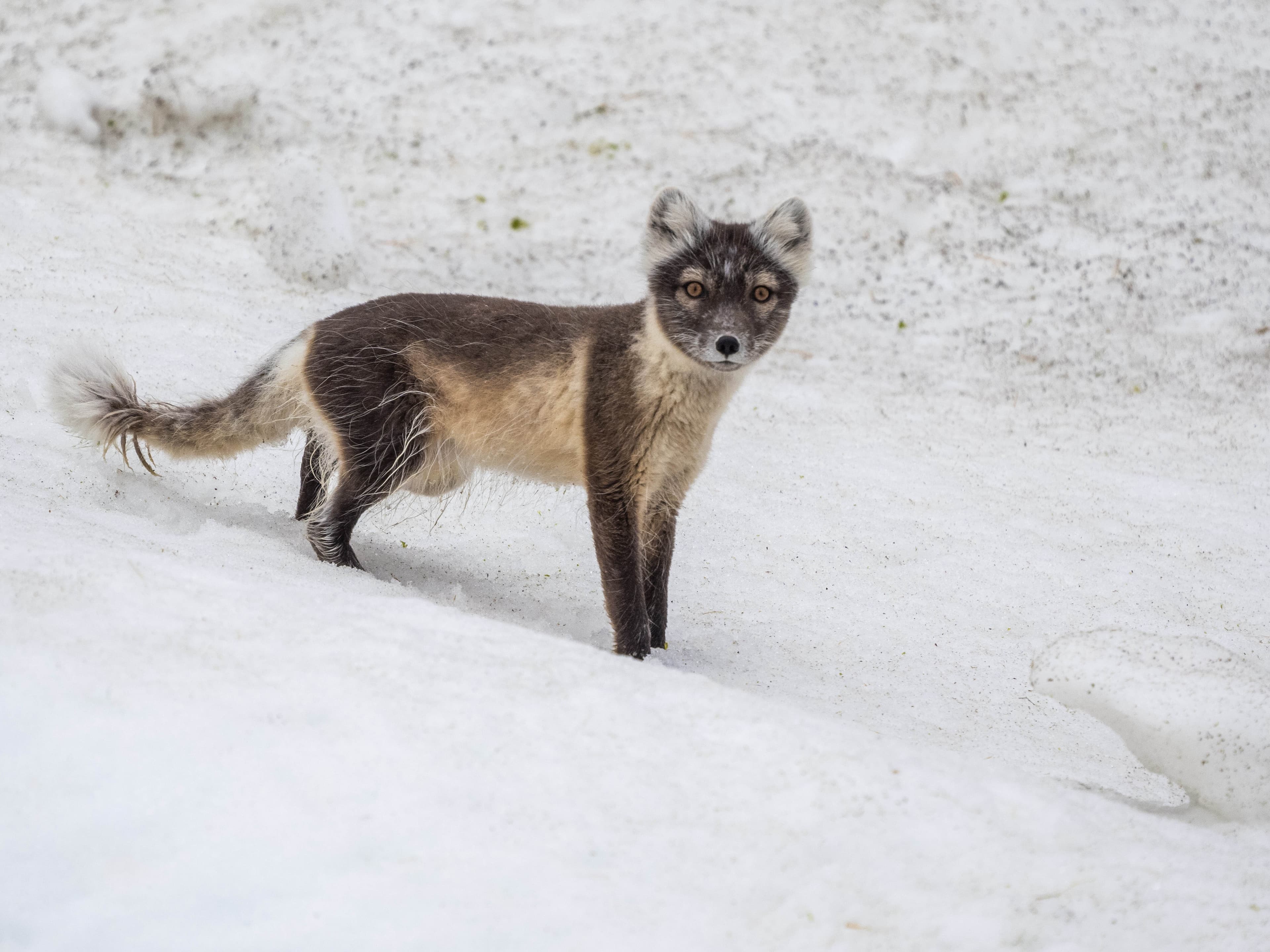
Small and stealthy, arctic foxes are omnivores that traverse the tundra in search of lemmings, fish, berries and birds. Though known for their striking white coats, in summer their fur morphs into shades of brown that blend in with the landscape. In Svalbard and Canada, where open tundra and long daylight hours improve visibility, guests have some of the best chances to catch a glimpse of these adaptable Arctic residents.
Photo: Michael S. Nolan
Seasonality: May–Early August
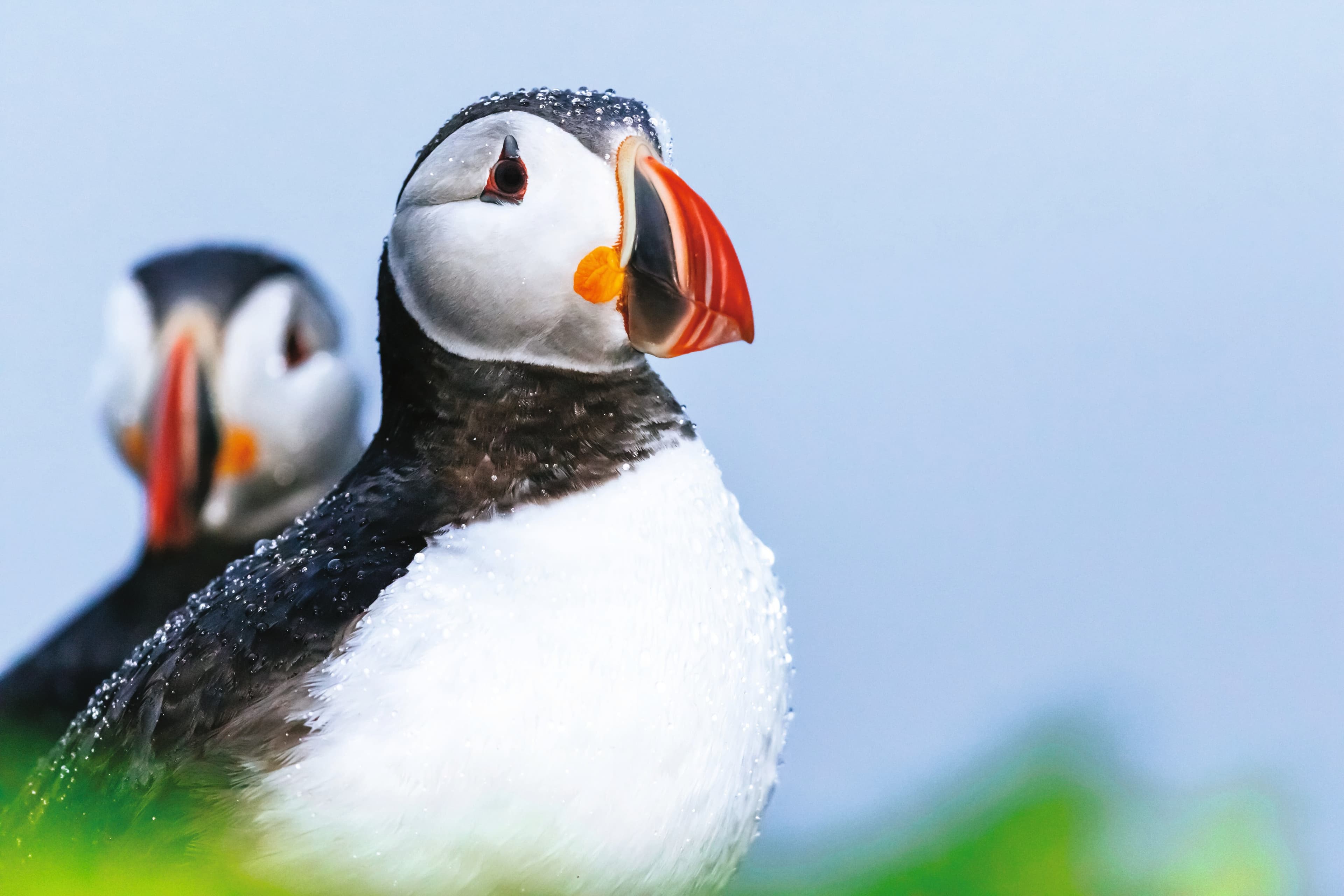
Iceland is home to more than half of the world’s population of these small, endearing birds that rub beaks with their mates. Puffins breed in summer along rocky coastlines where they tend to their chicks in underground burrows. Prepare for plenty of photo ops as these charismatic creatures fly to and from the sea.
Photo: Michael S. Nolan
Seasonality: May–August
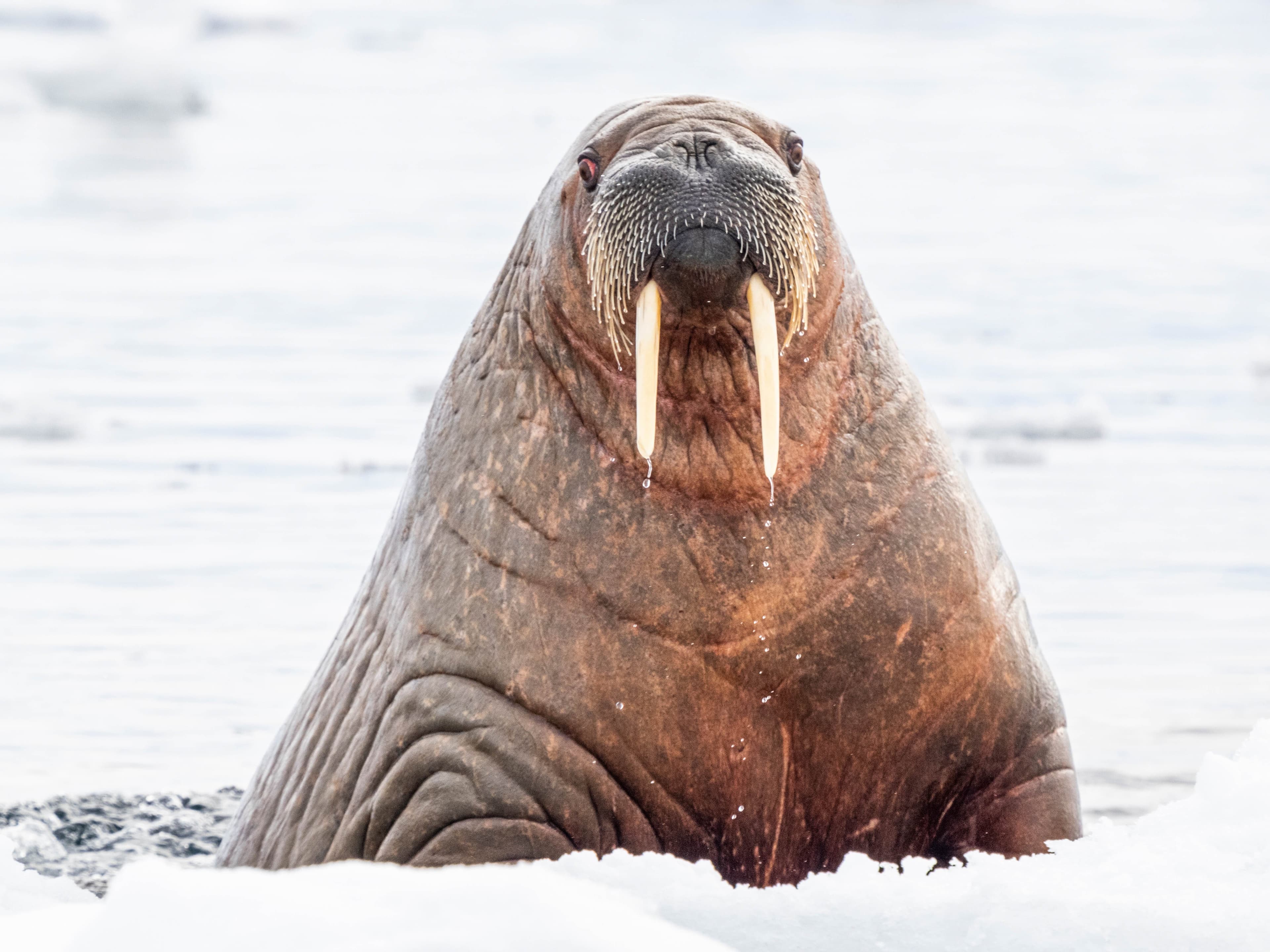
These boisterous, giant pinnipeds can grow as large as 12 feet and weigh up to two tons. Highly social by nature, walruses gather in large numbers, often stretched out across ice floes or packed tightly into dramatic haul-outs along the shore. In places like Svalbard and northeast Greenland, where reliable sea ice supports these gatherings, guests have some of the best opportunities to observe walruses up close, including their distinctive ivory tusks and bristled whiskers.
Photo: Michael S. Nolan
Seasonality: April–Mid October
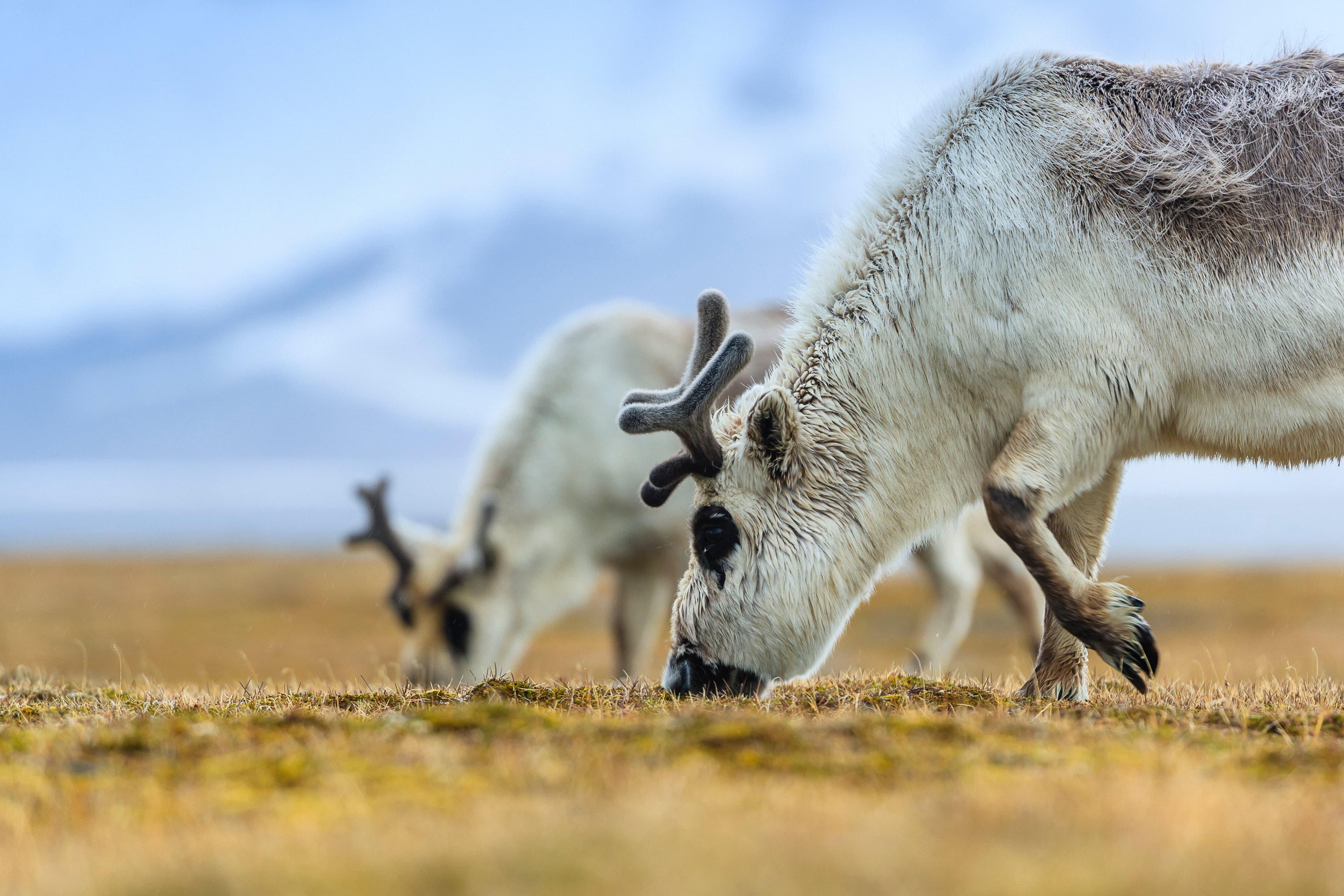
Reindeer roam freely across the Arctic, where in many regions they outnumber people. Uniquely adapted to life on the tundra year-round, these hardy animals have two layers of fur, compact bodies that limit heat loss and the ability to warm the air they breathe before it reaches their lungs. In Svalbard, reindeer belong to a distinct subspecies found nowhere else, while in Greenland, herds are still maintained by local farmers, offering a glimpse into the long-standing relationship between people and reindeer in the Arctic.
Photo: Ralph Lee Hopkins
Seasonality: June–October
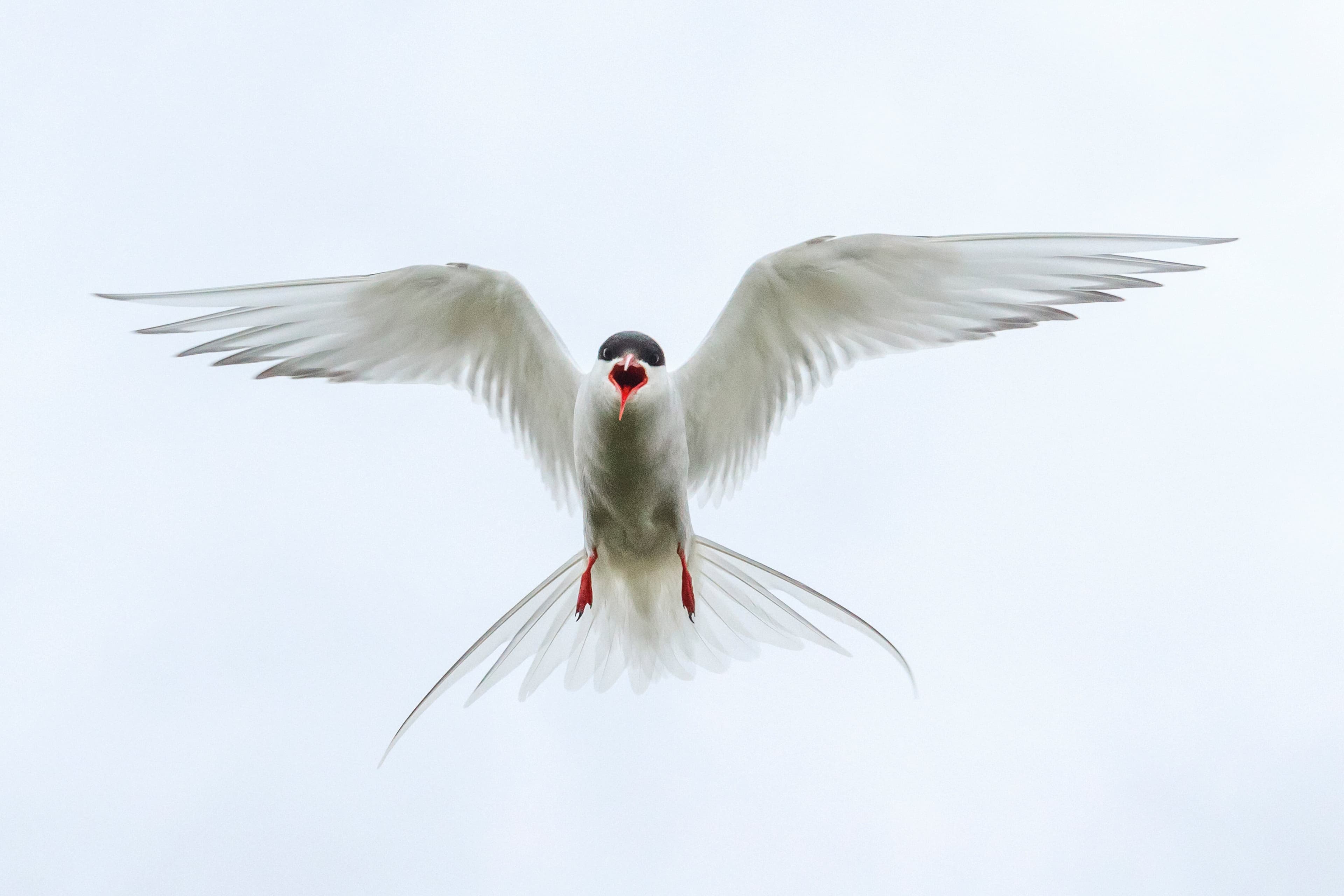
Marathon fliers, arctic terns migrate approximately 91,000 miles each year from pole to pole in pursuit of continuous daylight. They return to their Arctic breeding grounds full of energy, ready to fiercely defend their colonies from threats such as arctic foxes, polar bears and large gulls. During the breeding season, Arctic terns can be found across the region in places like Svalbard, Iceland, Greenland and Canada.
Photo: Ralph Lee Hopkins
Seasonality: May–October
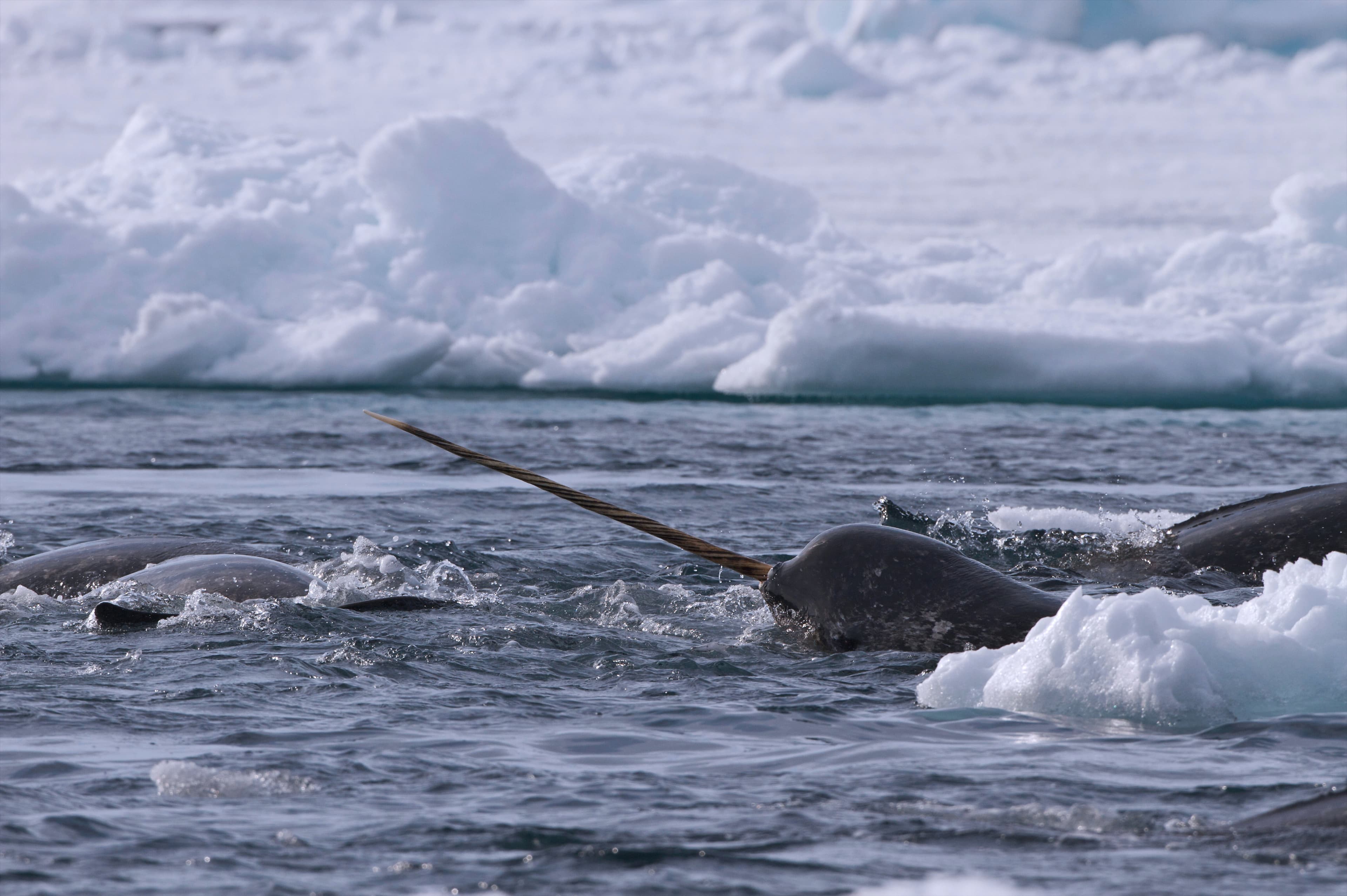
Narwhals have earned the moniker “unicorn of the sea” for their “horn” and their near-mythic status. Narwhals rely on echolocation for navigation, hunting and communication, and their extraordinary hearing often allows them to leave an area before they are recognized—making sightings especially rare. Northeast Greenland and Canada offer the best chances for an encounter.
Seasonality: March–June
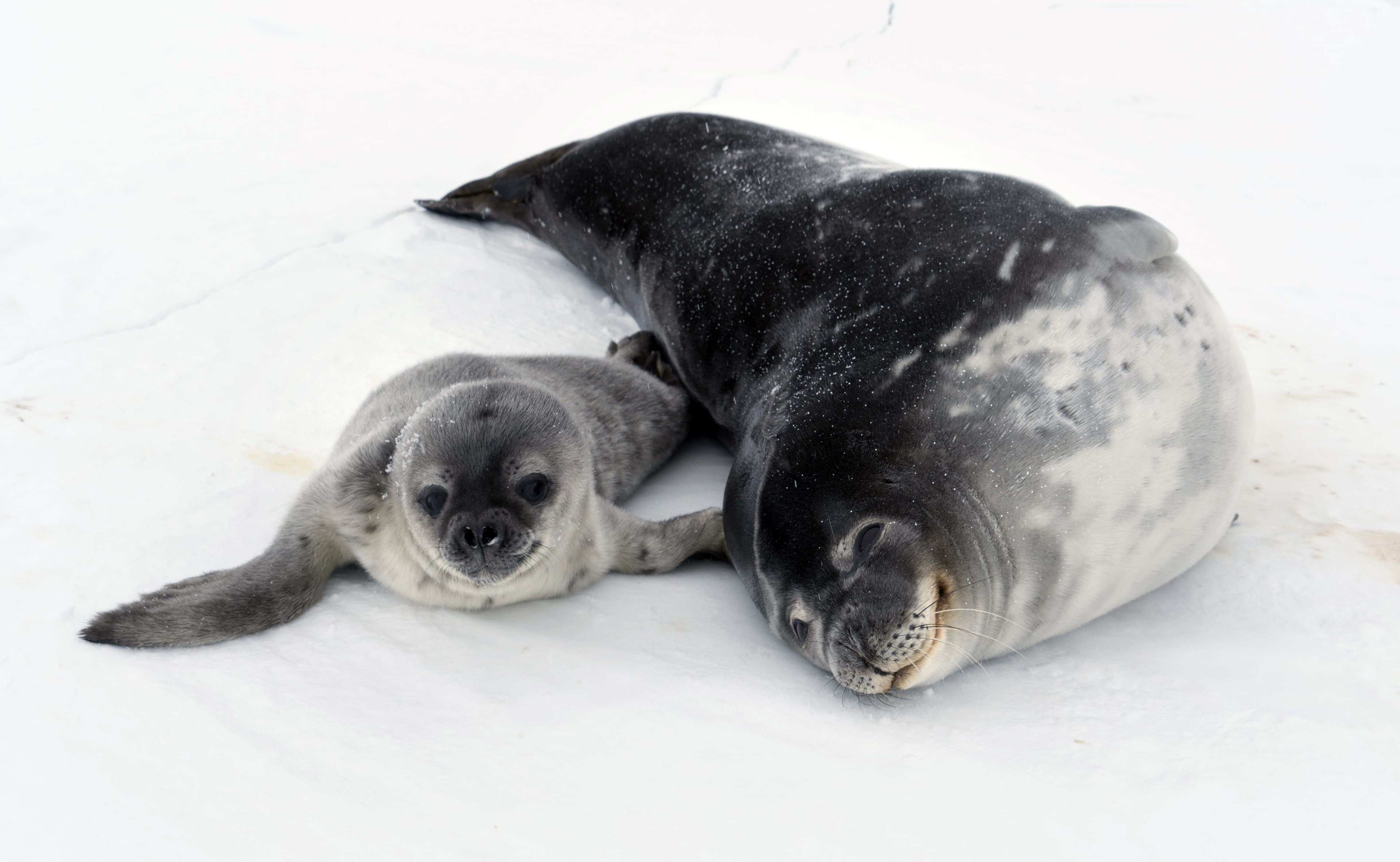
Named for the small rings on their coats, ringed seals are the smallest and most common Arctic seal—as well as a favorite prey of polar bears. Equipped with claws on their front flippers, these resilient pinnipeds maintain breathing holes in the sea ice and dig snow caves to birth pups. Found across Svalbard, Greenland and Canada, ringed seals are a familiar presence along the Arctic’s ice-covered coasts.
Seasonality: June–September
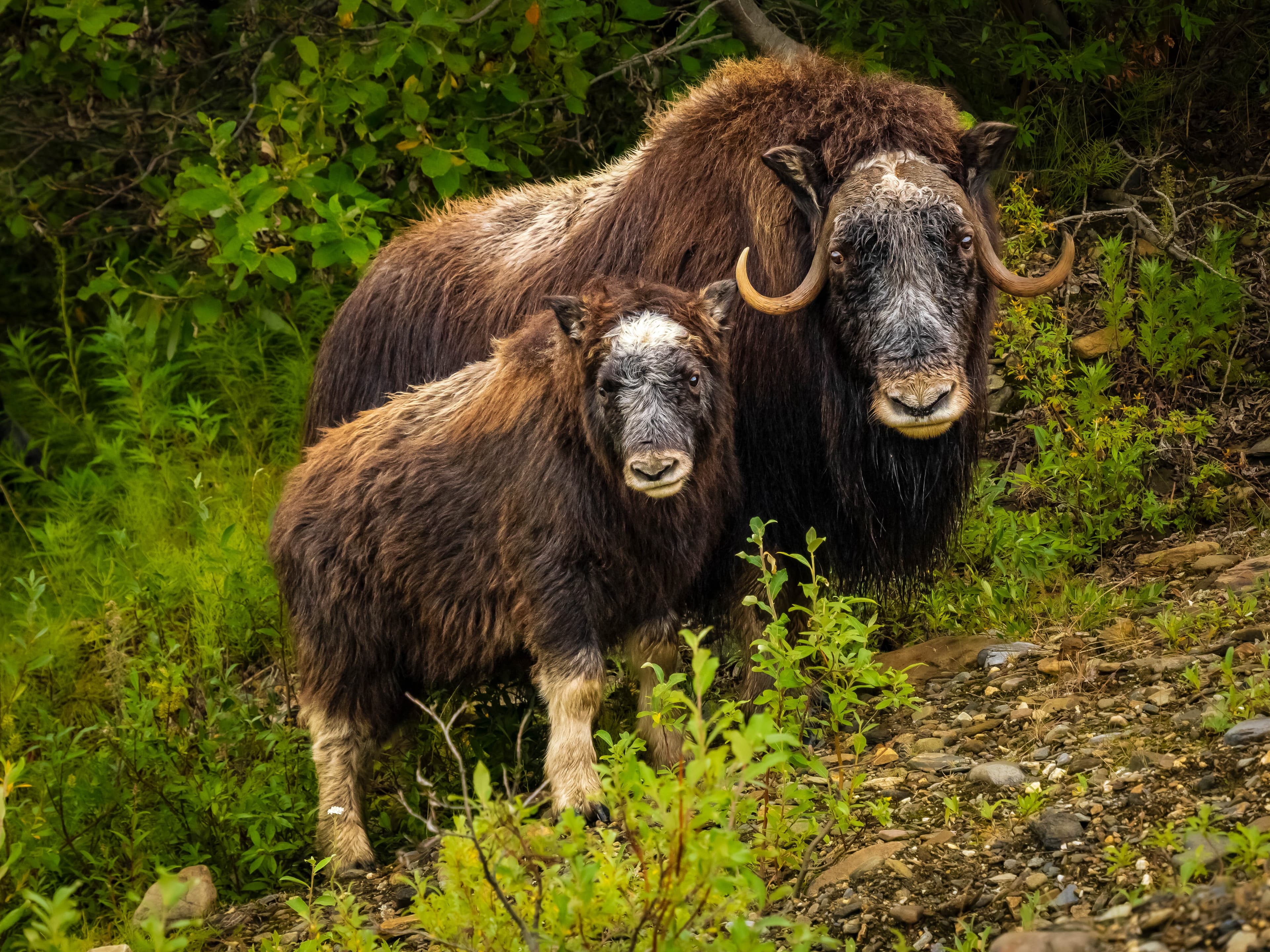
These herbivores have inhabited the Arctic tundra for hundreds of thousands of years, surviving at least two major Ice Ages. Weighing up to 800 pounds and sporting horns and thick, shaggy coats, musk oxen appear imposing but remain vulnerable to predation. Herds defend themselves from wolf attacks by forming tight circles, with their young protected at the center. Found across Canada and Greenland, musk oxen often blend into the tundra until their herd begins to move, revealing itself against the landscape.
Photo: Ralph Lee Hopkins