After a rather long haul of 190 nautical miles from yesterday’s Coiba Island, we made it this morning into the Gulf of Panama. This gulf goes through a very interesting transformation through the year, as it gets influenced by the seasonal northeasterly trade winds during our dry months. A break in the mountain chain that parallels the western coastline of the Central American nations, allows the winds to blow over, pushing the warmer surface waters away. Nutrient-rich filled waters from the bottom up-well to replace them; this brings about high productivity which is the basis of a complex web of life. A substantial number of sea birds take advantage of this and nest during this period all through the islands of the Gulf of Panama.
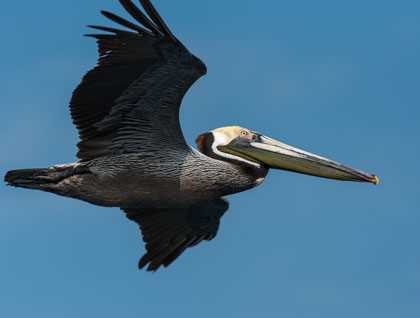
This morning we had the chance to explore one of three of the small islands just 22 miles off the entrance to the Panama Canal. Bona Island is one of the gulf islets that feel the effect of this up-welling. As the dry season progresses, we see the number of birds radically increase, as they move in to take advantage of the seasonal food supply. Brown and blue footed boobies, brown pelicans and magnificent frigatebirds make their life at rocky or forested edge of the islets; some of them even nest here during the upwelling months. So, the later morning began with expedition landing crafts cruising around Bona Island. Two rounds of eager explorers and their cameras made their way through white capped waves to go photo shoot the marine bird life and the interesting island formation and vegetation.
We returned back on board to begin our cruise towards one of the most anticipated portions of the trip, the Panama Canal, one of the seven wonders of the modern world. Inaugurated in 1914 and one of the most incredible human accomplishments of contemporary history, the Panama Canal has united two major oceans and shortened long distance journeys for the last 102 years. Both France and the United States invested time, effort and lives in building it; but regardless of who finished it, the Canal will always be a multinational achievement. Individuals from all over the world: Barbados, Martinique, Trinidad and Tobago, German, French, Irish, Welsh, USA, France, India and many more, left their homeland in the hope for better opportunities, many finding and untimely death unknown diseases. Whatever their fate, they left forever an unforgettable footprint.
As we approached the Panama Bay and saw the high rise city silhouette, we couldn’t help having great expectations on this feat that has had such a great impact in the world’s commercial history. Late at night, in we go for the first half of our transit into Miraflores and Pedro Miguel Locks, through the infamous Culebra Cut into the Gatun Lake, where we will rest overnight waiting for our last day of our Central American adventure.