The Best Time to Visit the Amazon: High-Water vs. Low-Water Season

In the Amazon, the rainforest’s namesake river is not simply a feature of the landscape; it is the force that determines how life unfolds from season to season. Each year, its rise and fall transforms the landscape—flooding forests, replenishing wetlands and sustaining one of the most biologically rich regions on Earth.
This cycle is clearly visible in Peru’s Pacaya-Samiria National Reserve. Encompassing more than five million acres of rivers, lakes and seasonally flooded forest, this stunning wilderness forms one of the largest wetland ecosystems on the planet. Here, water gives rise to two distinct seasonal expressions that shape how and where exploration unfolds.
From December through May, rainfall and Andean snowmelt flood the forest, transforming the reserve into an aquatic world navigable by skiff and kayak. From June through November, the river recedes, exposing sandy banks and forest trails—and with them, a different set of wildlife encounters.
Exploring Pacaya-Samiria with National Geographic-Lindblad Expeditions means experiencing the Amazon as it changes, with shifting water levels determining how you travel, where you explore and what you see along the way.
When is the Best Time to Travel to the Amazon?
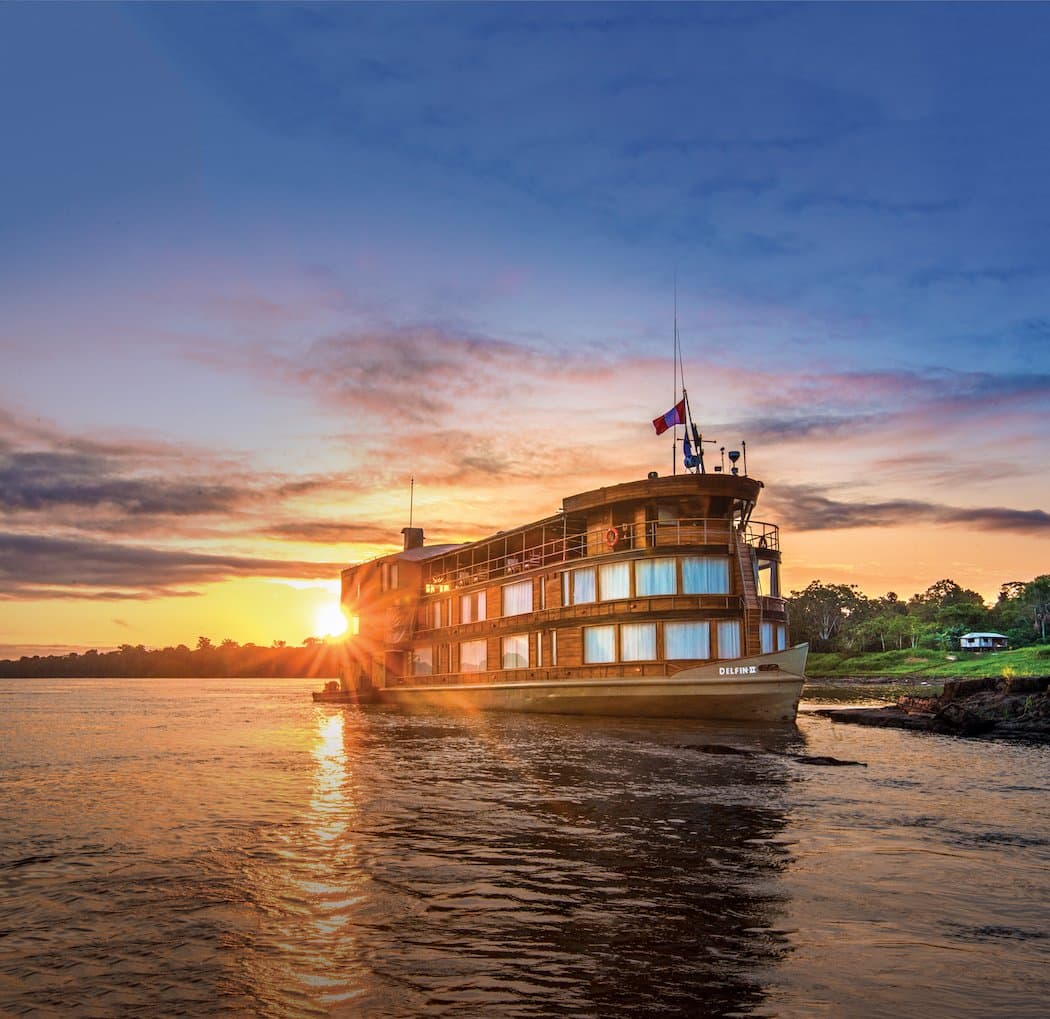
Understanding the Amazon’s high- and low-water seasons can help you choose the experience that best matches your interests—whether that’s gliding through flooded forest at eye level with wildlife or hiking newly revealed trails along the river’s edge. Flexible itineraries and expert expedition teams are designed to make the most of each season, using deep local knowledge to maximize wildlife encounters and ensure a meaningful exploration of this ever-changing ecosystem.
High-Water Season (December to May)
During the high-water season, daytime temperatures average around 86°F, cooling to 60–75°F at night. Meltwater from the Andes combines with seasonal rainfall to flood the forest floor, raising water levels by more than 30 feet in some areas. The result is a vast aquatic landscape—one of the largest roadless regions on Earth—where creeks, channels and inlets become fully navigable.
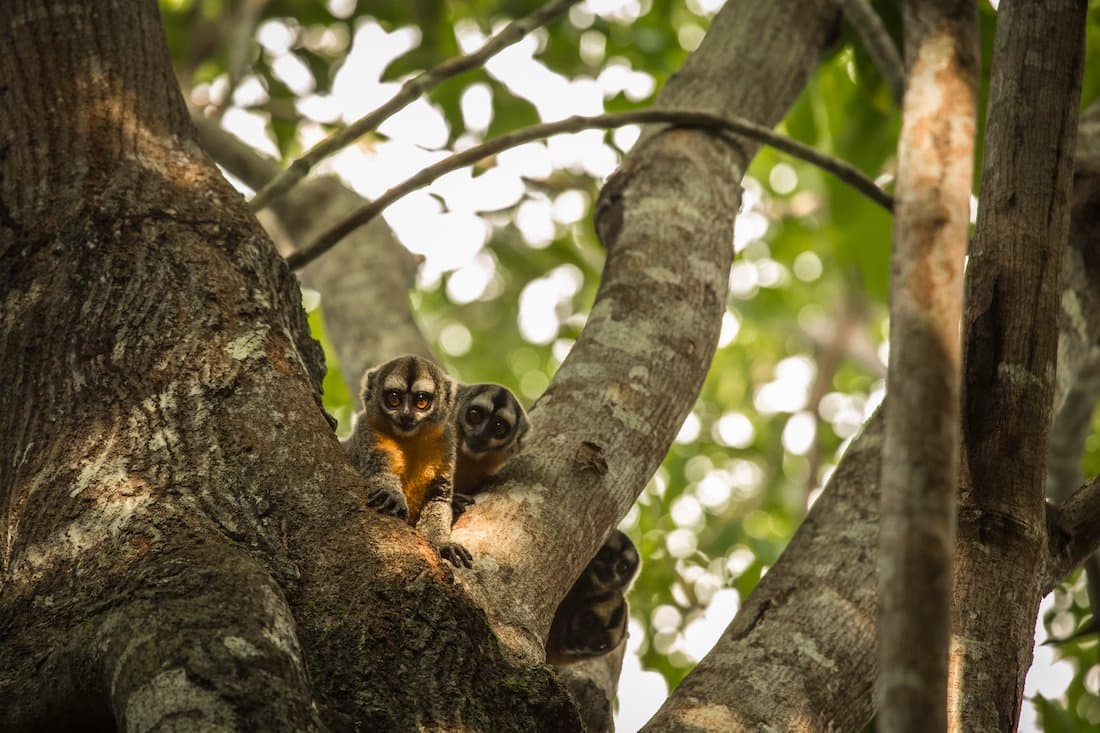
Traveling by skiff or kayak, you’ll glide deep into the flooded forest, exploring waterways that shift and reshape with each passing season. Trees are in full bloom and bearing fruit, drawing monkeys, birds and other wildlife to feed. With the canopy closer to the water’s surface, animals are often seen at eye level—sloths draped in branches, squirrel monkeys leaping overhead and macaws flashing through the trees.
Nutrient-rich floodwaters reflect the dense greenery above, giving rise to the Amazon’s evocative nickname, the “Mirrored Forest” or “Jungle of Mirrors.” While many terrestrial animals retreat to higher ground, aquatic life flourishes. Fish, manatees and turtles thrive in the expanded habitat, though predators such as river dolphins and giant otters can be more elusive as their hunting grounds widen.
Low-Water Season (Late June to November)
As rainfall diminishes and Andean snowmelt slows, river levels drop, revealing sandy banks, lagoons and forest trails. The low-water season is typically about five degrees warmer than the high-water months and offers more opportunities to explore on foot.
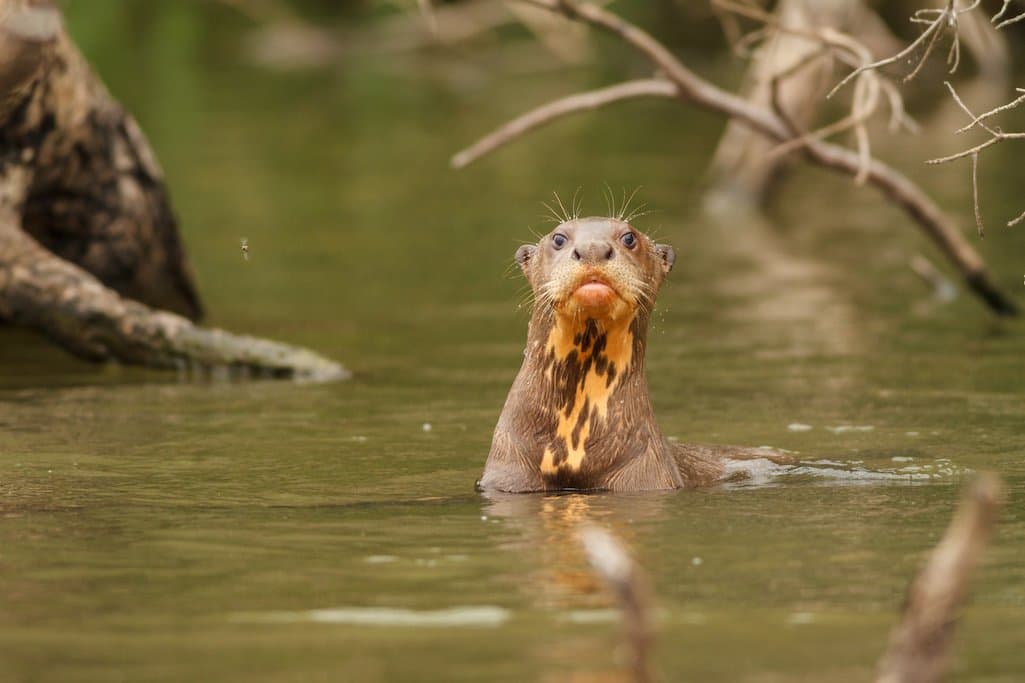
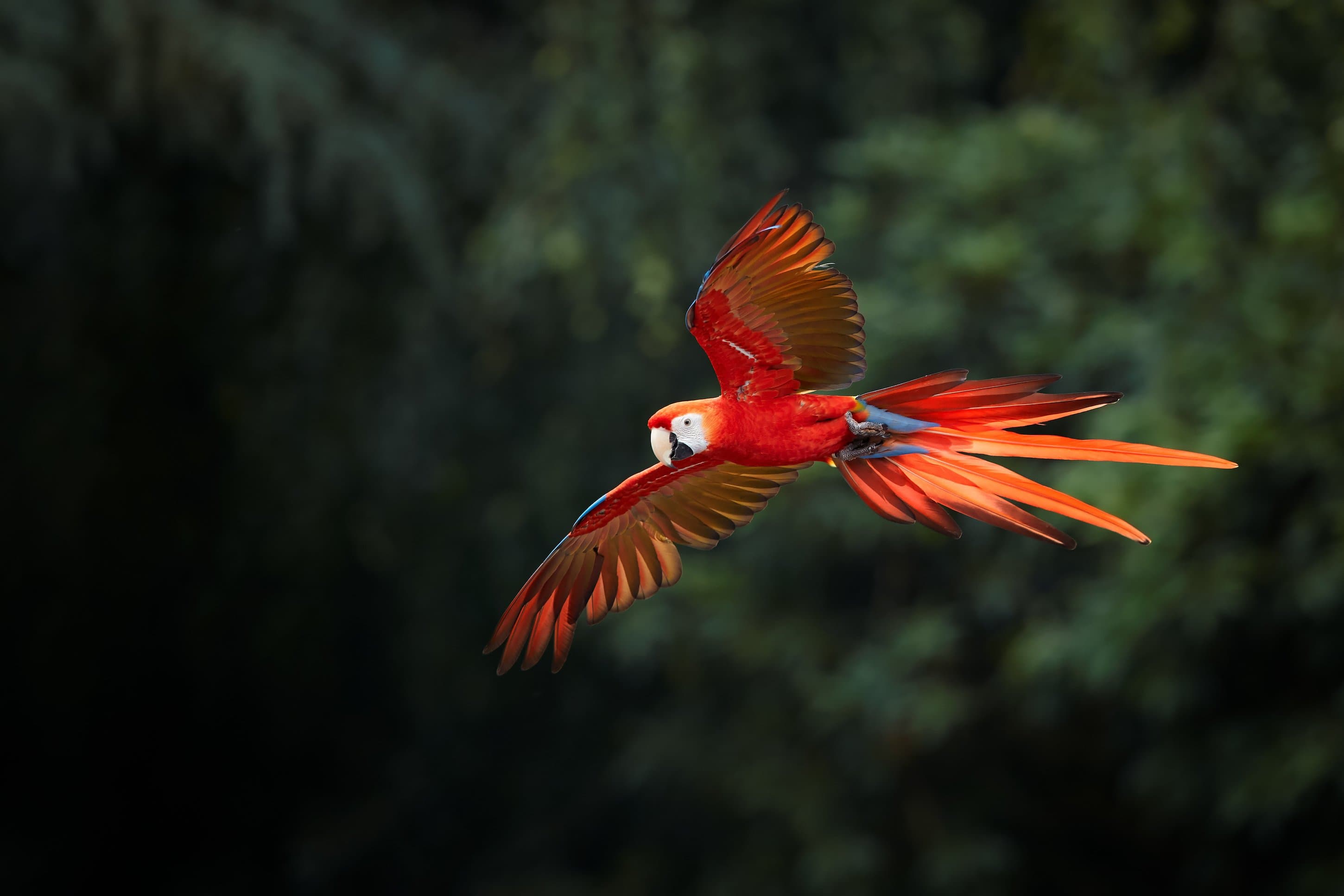
With waterways narrowed, fish concentrate in the main rivers, attracting predators such as dolphins, caimans and giant otters. Sightings of manatees, anacondas, arapaima and wading birds—including the striking jabiru stork—are more common along exposed riverbanks and lagoons. Migratory birds arrive as well, joining the reserve’s more than 500 resident species, among them scarlet macaws and hoatzins. As National Geographic-Lindblad Expeditions Naturalist and Certified Photo Instructor Aaron Raymond recalls: “On the way back to the ship, we stopped at a small island and shared a moment of silence—listening as tens of thousands of canary-winged parakeets flew across the water to roost.”
Terrestrial wildlife also becomes easier to spot. As trails emerge from receding waters, forest dwellers such as tapirs and peccaries move through the undergrowth, while aquatic turtles nest on sun-warmed beaches.
A Year-Round Paradise
There is no wrong time to explore the Amazon. Whether gliding through flooded forests or hiking beneath a canopy alive with birdsong, each season offers a distinct perspective on one of Earth’s most extraordinary ecosystems. Guided by the expert naturalists and certified photo instructors of National Geographic-Lindblad Expeditions, you’ll experience the rainforest with depth and context—gaining a deeper understanding of the forces that shape one of the wildest places on the planet.