A Seasonal Guide to Iceland and East Greenland

Each summer, the far north awakens in spectacular fashion, as the Arctic transforms from austere to abundant, teeming with life under near-endless daylight. Along Iceland’s volcanic shores and the glacier-carved fjords of East Greenland, the season sets the landscape into constant motion—puffins returning to seaside cliffs, whales surfacing in rich feeding grounds and icebergs drifting seaward from active glaciers.
These months are fleeting, and the experience of the Arctic changes quickly as the season unfolds. Early summer still carries the edge of winter, with sea ice shaping Greenland’s coastline, while later weeks open the door to broader exploration by kayak, Zodiac and on foot beneath the midnight sun.
From early summer’s lingering ice to the later season’s open water and peak wildlife activity, each month reveals a different side of Iceland and East Greenland. Here’s what June, July and August each have to offer on a journey through the region with National Geographic-Lindblad Expeditions.
June
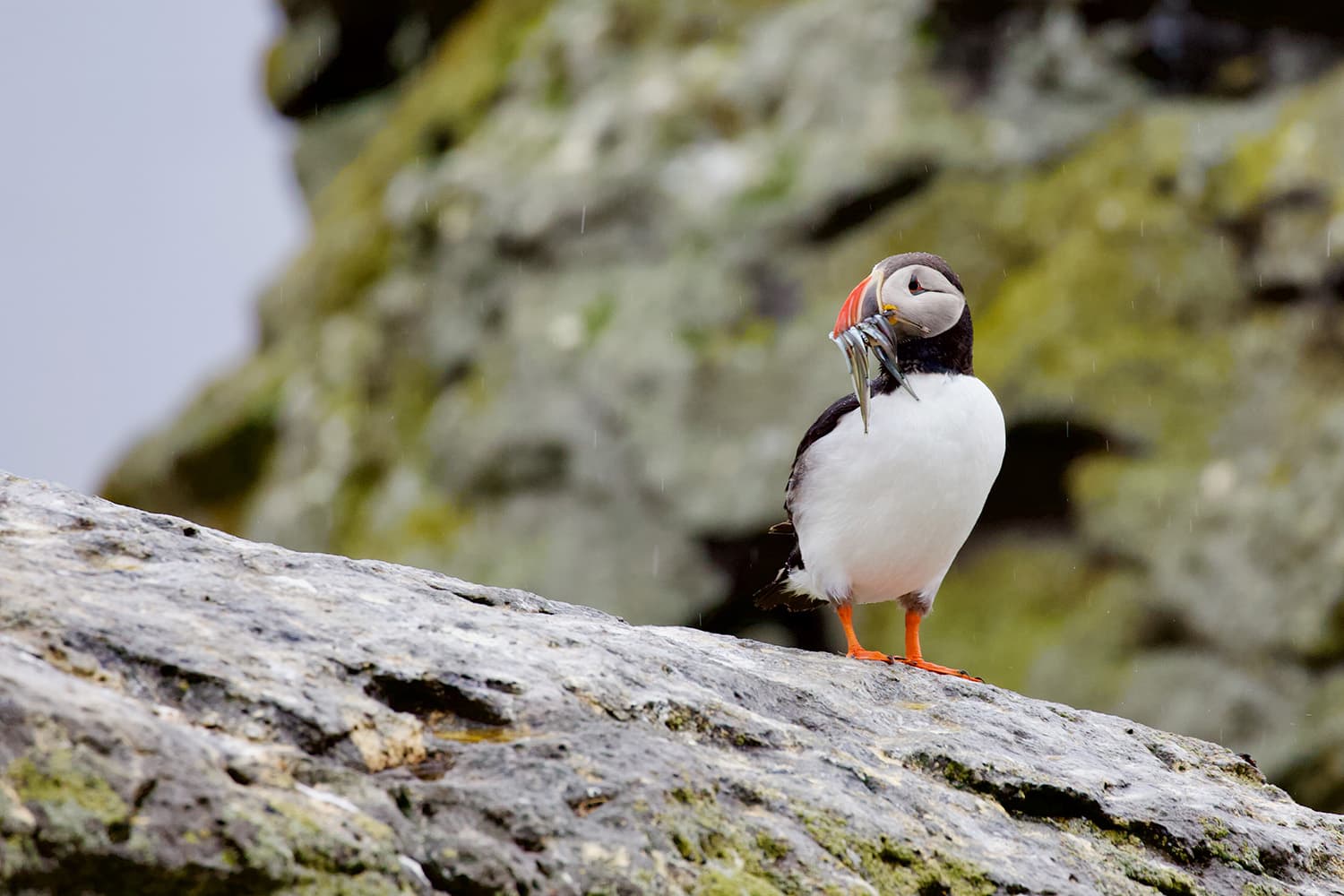
June is the best time to see Atlantic puffins in their natural habitat. Photo: Angela Thomas
Spring is still brushing up against winter during Icelandic June, so days can unfold in surprising ways—soft sunlight over blooming coastal hillsides one moment, a sudden sweep of snow across distant peaks the next. Puffins have already returned to the cliffs and settled into the season, and whales begin arriving in greater numbers as they make their way north to summer feeding grounds. With hiking trails reopening and port towns still relatively quiet, June offers a rare, early-season glimpse of the Arctic before the midsummer rush takes hold.
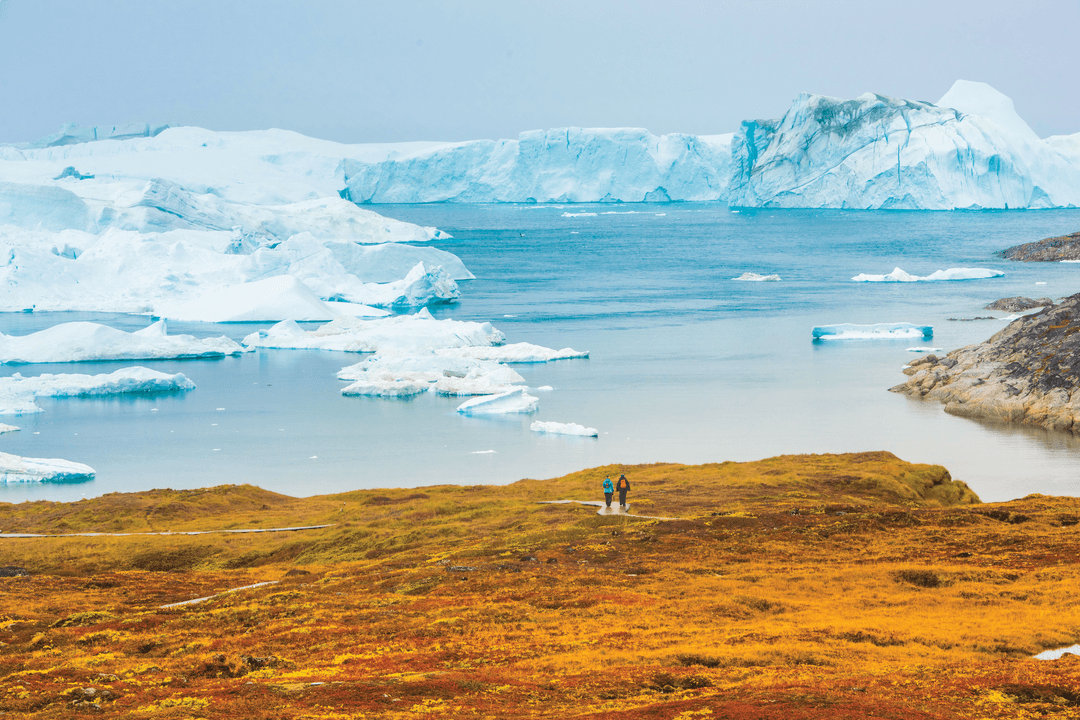
Along Greenland’s eastern coastline, the month carries a different kind of drama, shaped by ice in motion. The powerful East Greenlandic Current pushes ice floes south from the North Pole, while glaciers add newly calved icebergs to the flow, filling fjords with fresh, sculpted giants. As the cold air from the ice meets the warm air drifting off the continent, fog creates a mystical gateway to the ice belt moving down the coast. Conditions permitting, Zodiac cruising can be especially exhilarating at this time of year, with seals, seabirds and whales frequently spotted. And in the background, the snap and crackle of sea ice becomes part of the soundtrack in one of the Arctic’s most striking early-season landscapes.
July
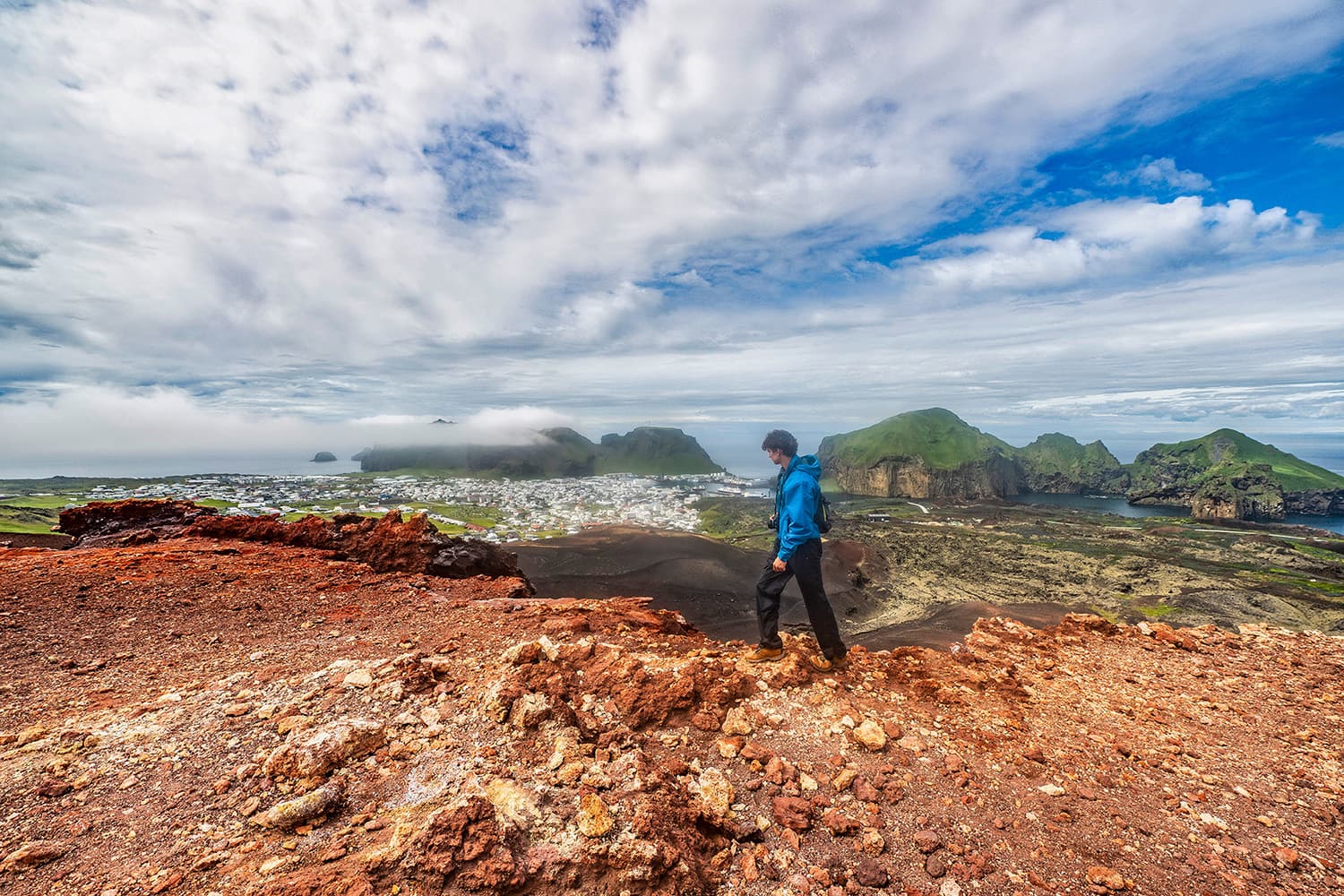
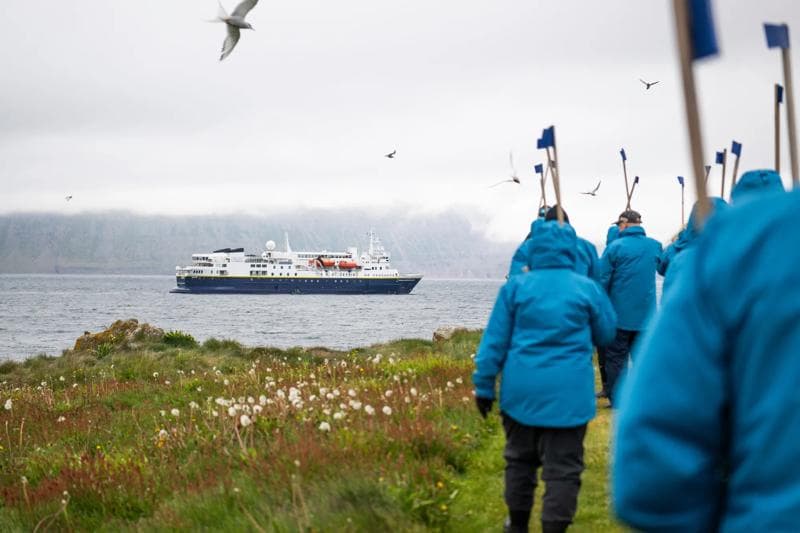
With more stable trails in July, you can hike Iceland's dramatic terrains such as ldfell Volcano. Photo: David Vargas
By July, Iceland’s summer is in full swing, bringing longer days, thriving wildlife and peak energy along the fjords. Puffins are busy raising their chicks, and an even wider variety of whale species arrives in the nutrient-rich waters offshore. Trails tend to be more stable and less muddy, opening up excellent hiking opportunities across the countryside—though this also means the month is a busier time for explorers on land. Meltwater now surges through glacial rivers, powering full waterfalls and creating striking scenery at every turn, while kayaking and Zodiac cruising remain possible, conditions permitting.
July also marks a shift in Greenland as the summer ice melt begins to open new possibilities for exploration. The current continues carrying polar ice south, but the overall flow starts to ease, allowing some fjords to offer entrances, depending on ice movement and wildlife. Icebergs still drift outward from calving glaciers, and whales and seals remain abundant among the fjords. Breeding seabirds return to their rookeries, bringing new life and motion to the rugged cliffs and remote coastline.
August
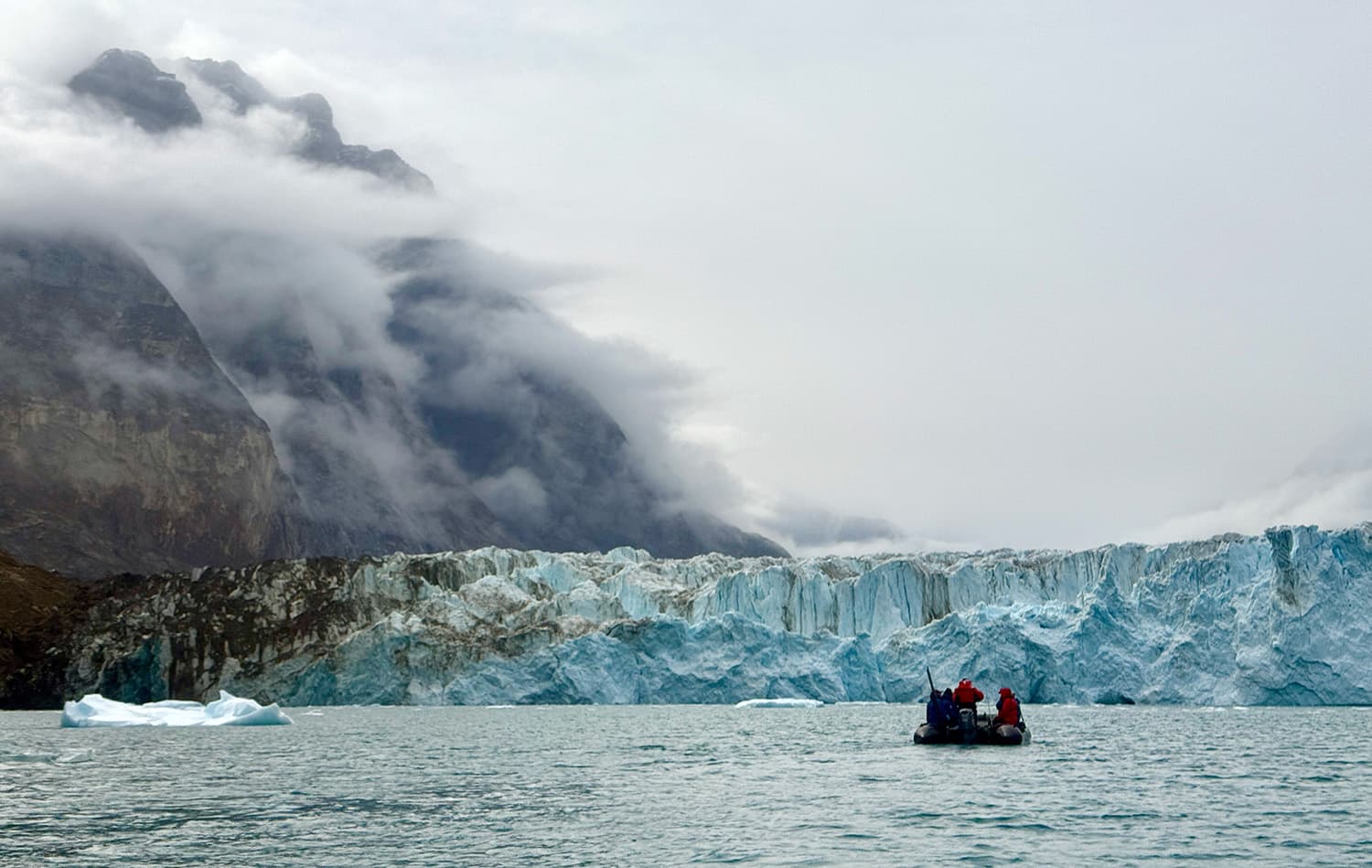
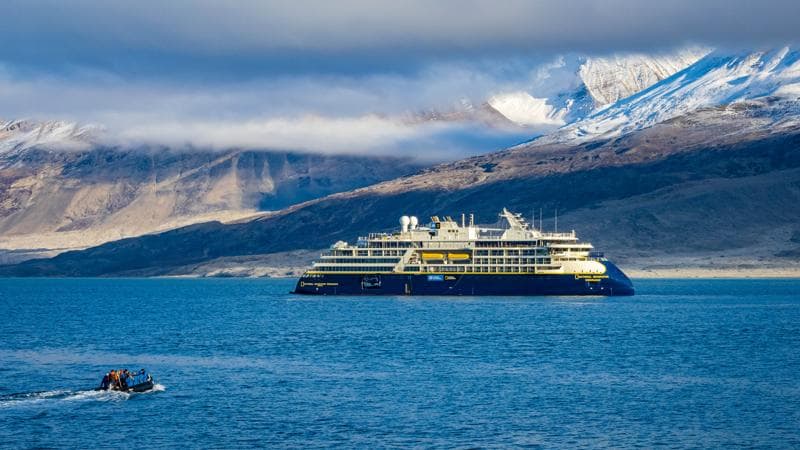
August offers the best open-water conditions in Greenland, allowing for deeper exploration into the region's dramatic fjords. Photo: Angela Thomas
August is Iceland at its most exuberant—a peak season of long light and open trails, when residents and visitors alike take to the countryside for the best hiking of the year. Puffins, however, begin their quiet departure by mid-month, leaving the cliffs behind to spend the rest of the year at sea. With kayaking and Zodiac cruising still possible, August offers some of the last chances to soak in Iceland’s vibrant summer wildlife before the season begins its shift toward autumn.
In East Greenland, August often delivers the most consistent open-water conditions of the summer. The flow of ice from the North Pole has retreated, while calved icebergs continue streaming outward from fjords into coastal waters. Landings may be possible, and a wider range of exploration unfolds—from hiking and kayaking to extended Zodiac cruising among the bergs. Wildlife viewing is frequently at its best, with whales and seabirds feeding in abundance and the chance to spot arctic fox, hare or even musk ox roaming the tundra slopes.