

- Central America
- Costa Rica
- Duration
- 9 Days
- Dates
- Jan
- Starting from
- $6,125 per person
Call +1.800.397.3348 or Request a Quote
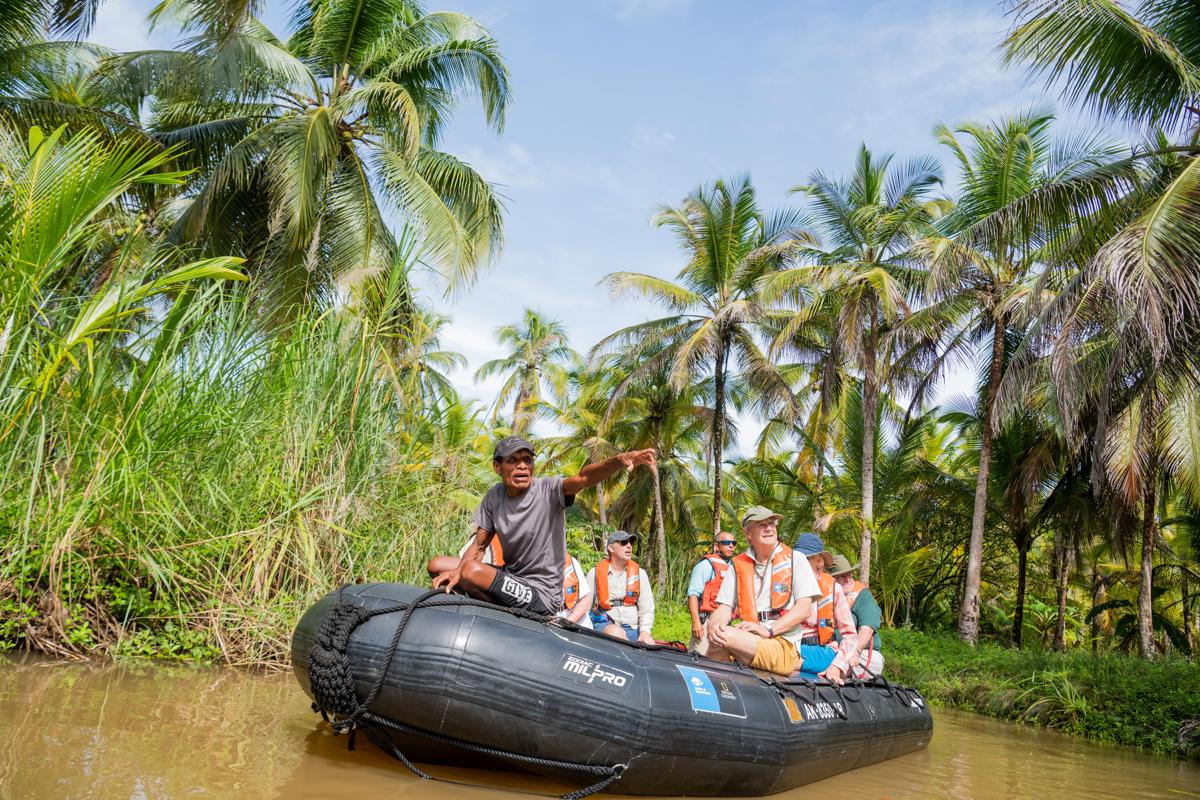
Central America is a meeting place of continents and oceans, where volcanic landscapes rise above lush rainforests and jungle rivers flow toward coral-rich seas. Aboard a nimble expedition ship, venture beyond traditional ports to explore protected islands and remote reserves by Zodiac, kayak, snorkel and on foot. Naturalists and undersea specialists reveal the region’s extraordinary wildlife, from monkeys and tropical birds to vibrant reef life.
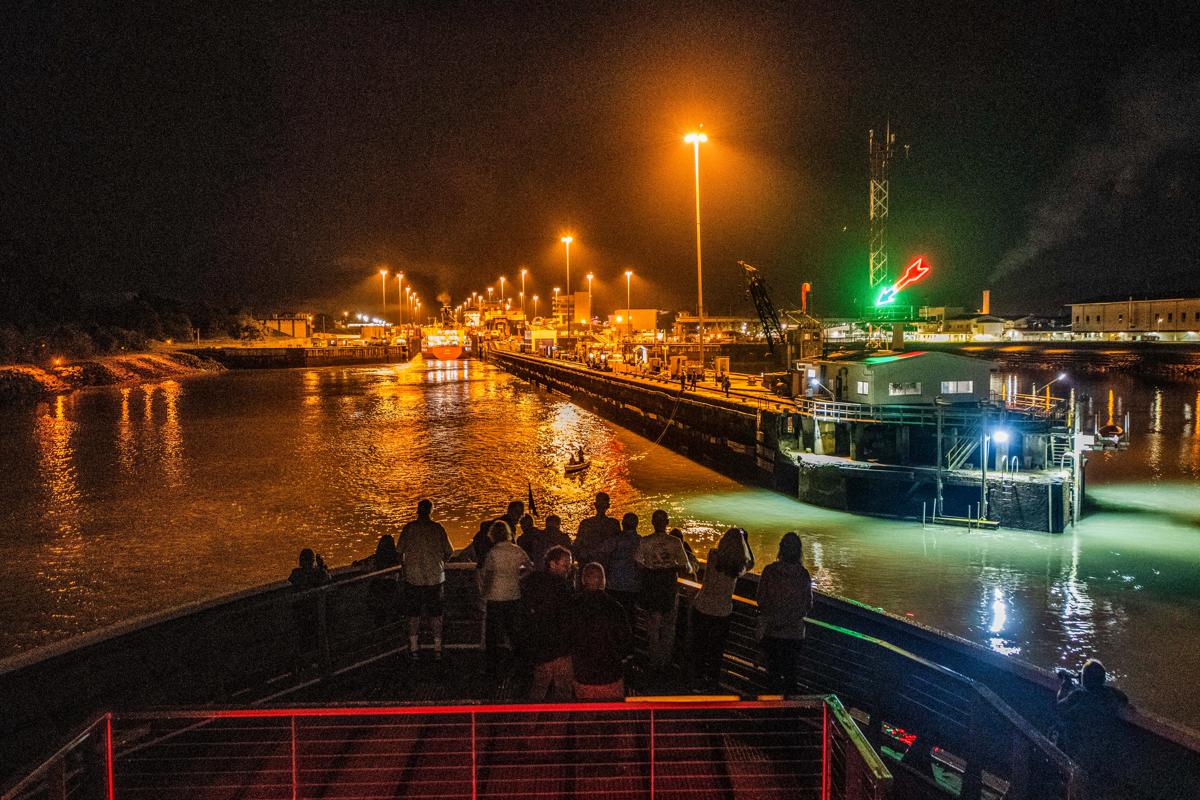
Transit the Panama Canal over two days, seeing its locks at eye level by day and illuminated after dark. Walk research trails at the Smithsonian Tropical Research Institute on Barro Colorado Island, search for wildlife in Costa Rica’s Osa Peninsula and snorkel in Coiba National Park. Through special access and longstanding relationships with local researchers, you’ll gain a deeper understanding of the people and projects protecting this remarkable region.
“The Panama Canal, which effectively connects more than 144 shipping routes, 1,700 ports, and 160 countries, is much more than its transit locks. It is miles of wild landscape, rich with intrigue and an astonishing biodiversity of wildlife.”


Showing 3 ships

GUESTS 100
CABINS 50
DECKS 4
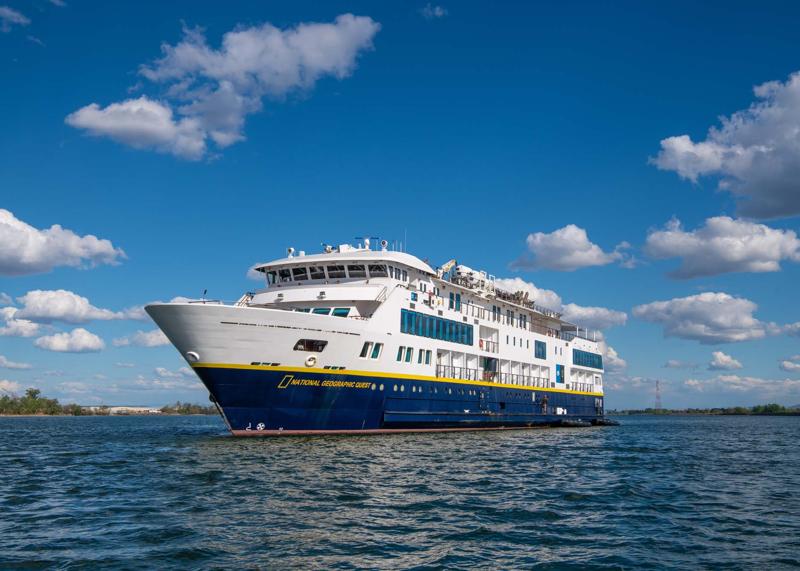
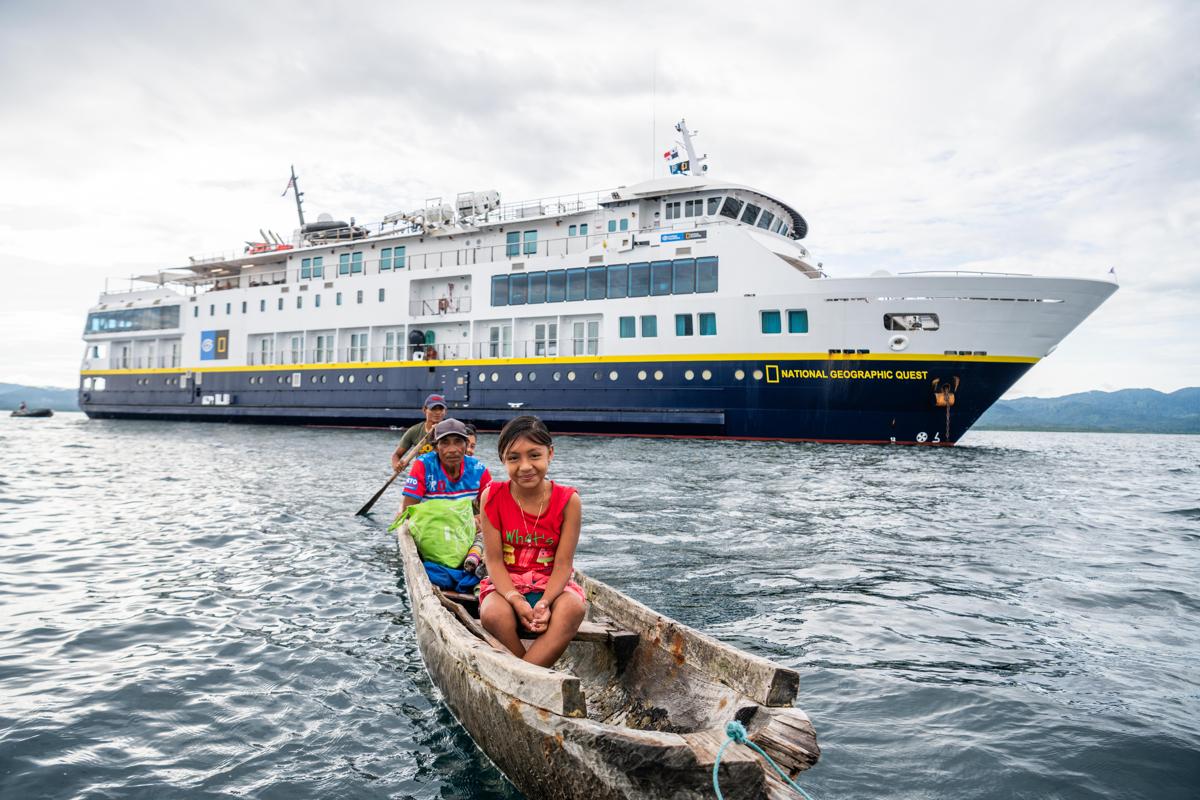
National Geographic Quest was purpose-built to explore the Americas, her design and engineering informed by nearly 40 years of experience in these regions.

GUESTS 154
CABINS 77
DECKS 6
Discover Alaska's vast wilderness aboard the Greg Mortimer, a spacious expedition ship built for immersive remote exploration with expert naturalists and comprehensive onboard amenities.

GUESTS 100
CABINS 50
DECKS 4
American-flagged, she is ideal for discovering Pan-American waters. Her design innovations were informed by 50+ years of expedition expertise to ensure extraordinary discoveries.
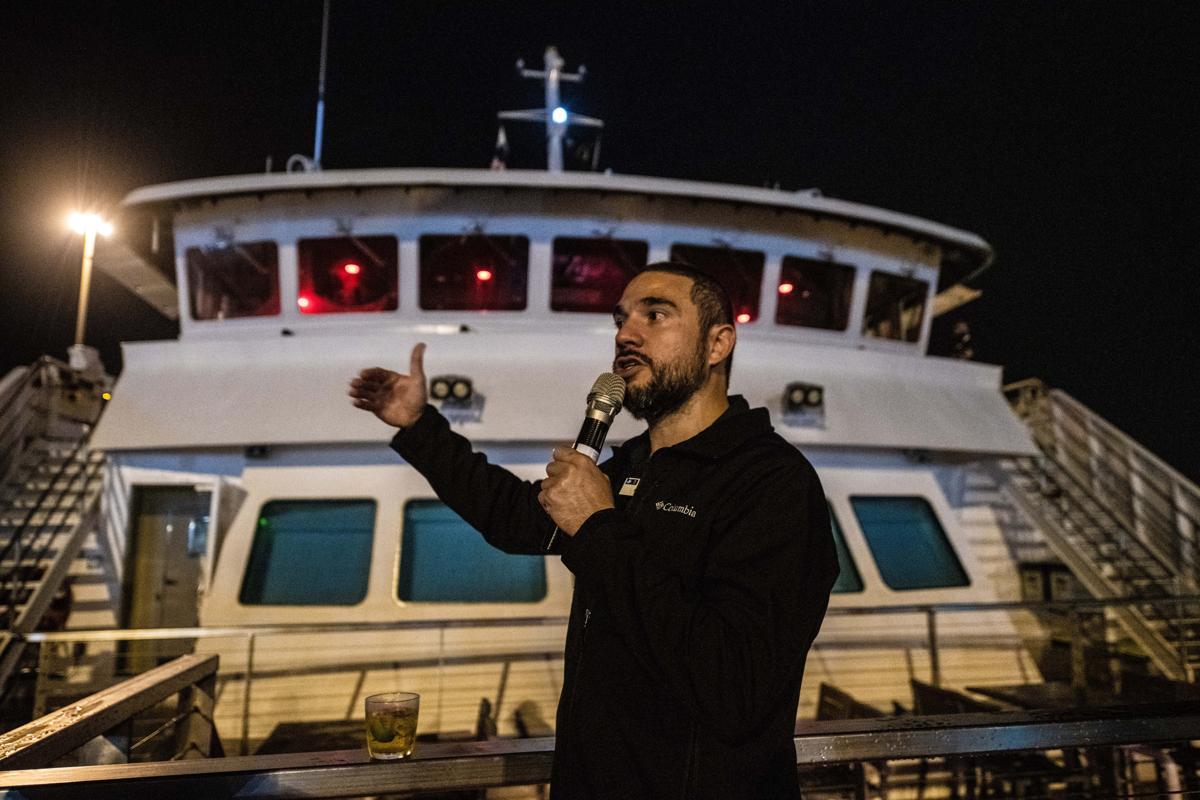
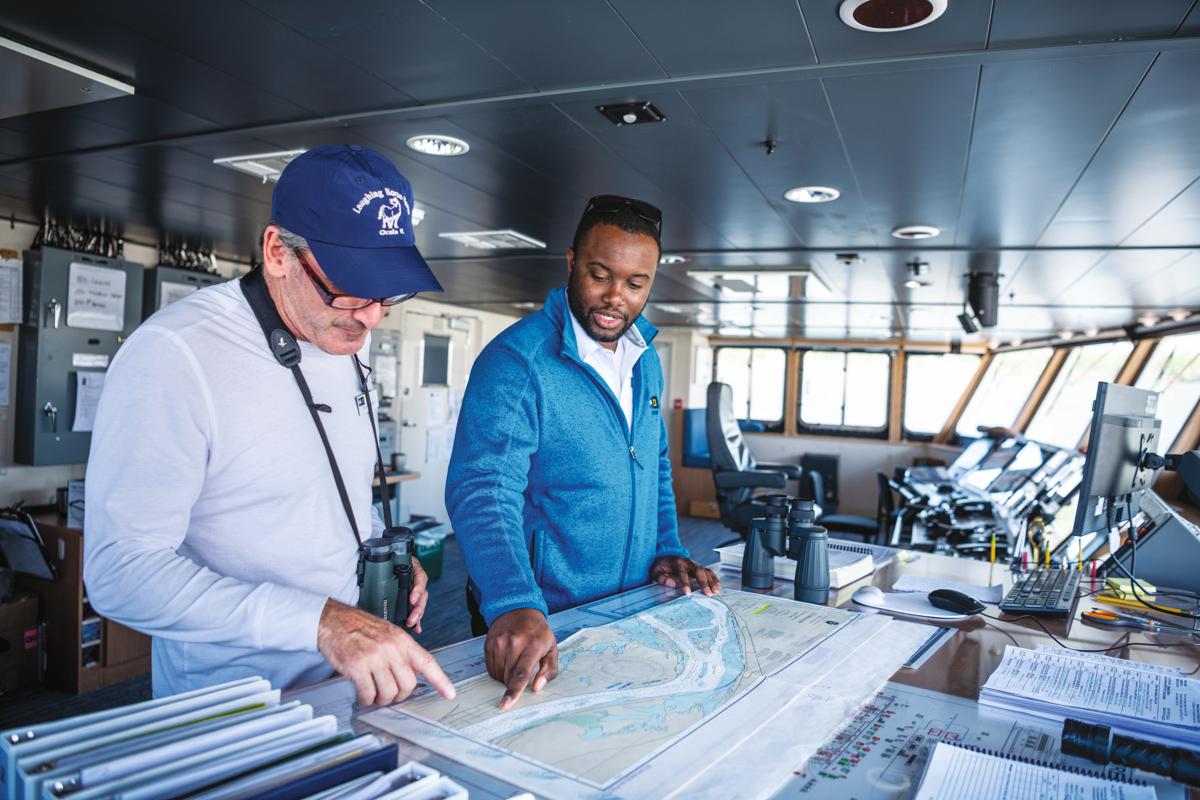
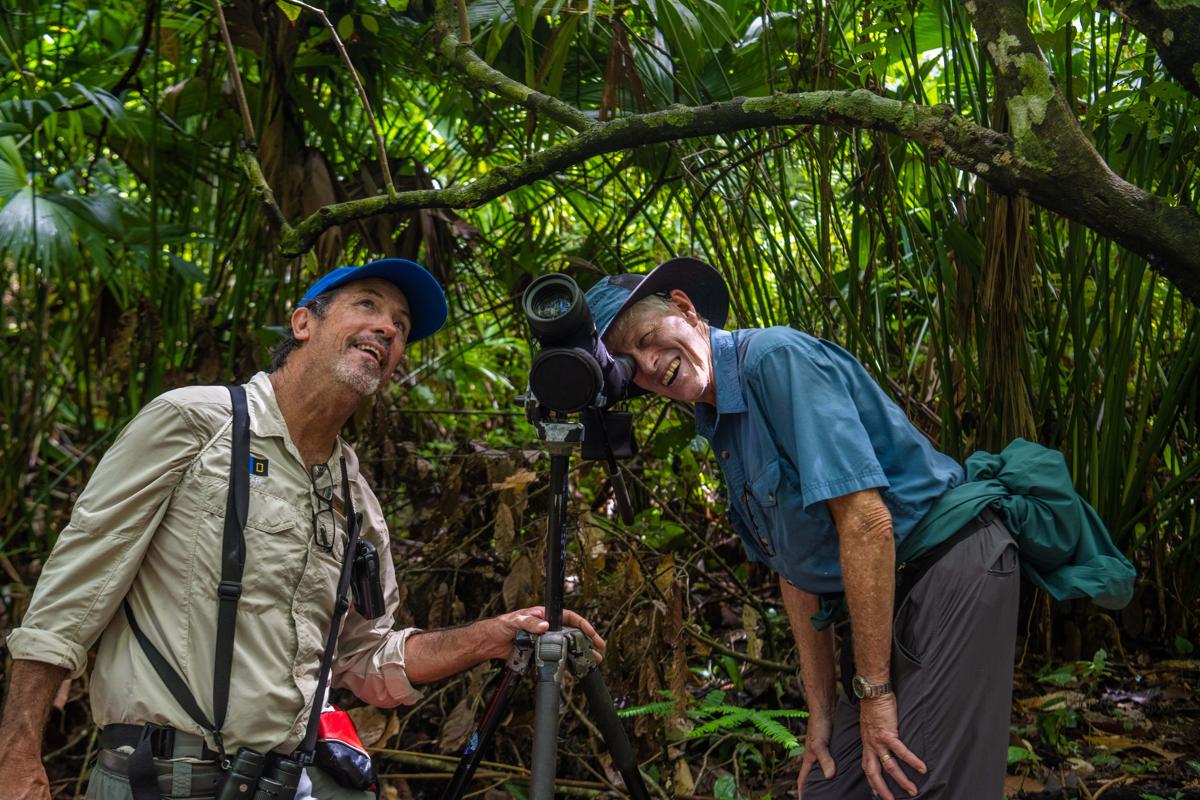
Every member of the expedition team—from your naturalists and photographers to your expedition leaders—is committed to ensuring you have an unforgettable experience. Many are veteran guides chosen for their extensive knowledge of subjects like wildlife biology and volcanology, while special guests—including National Geographic Experts—offer additional insights into the region’s diverse natural landscape. Exploring in small groups, you’ll hear different perspectives each day of your voyage, and because there are no assigned groups you can gravitate toward the experts who share your interests and inspire your curiosity.
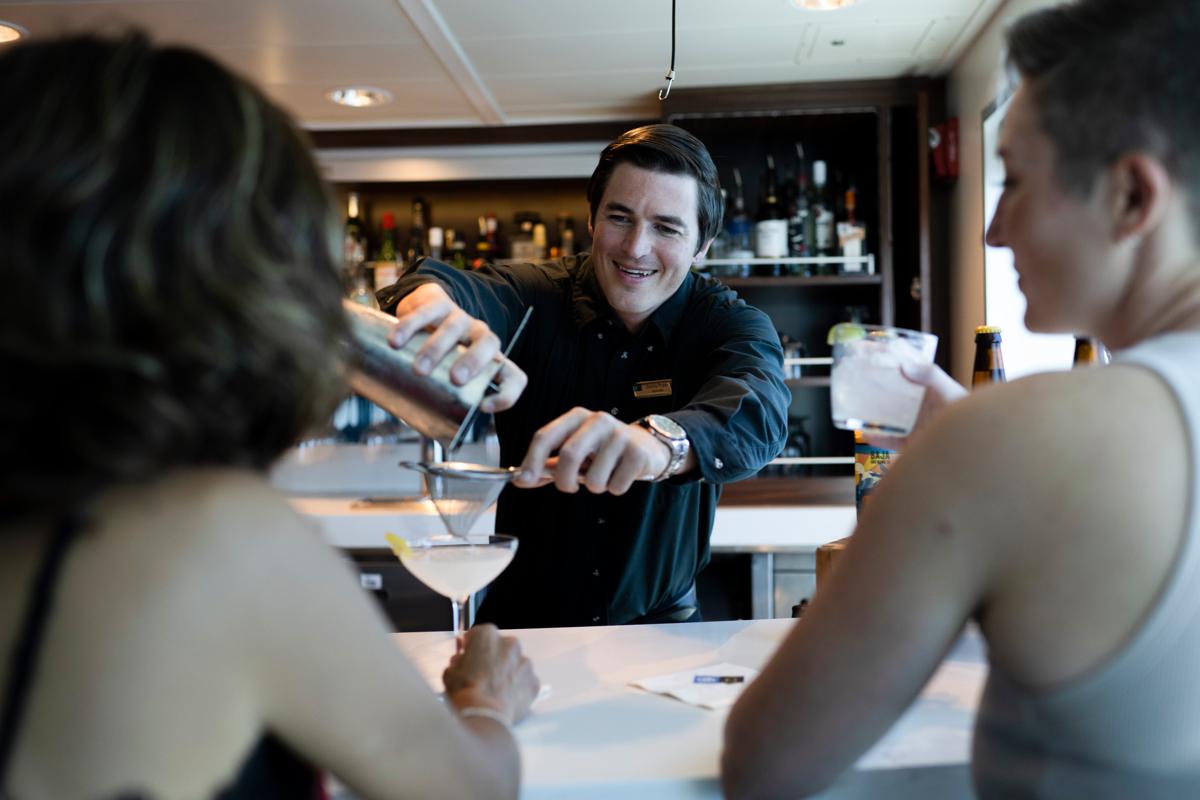
Your knowledgeable and passionate expedition team is complemented by your dedicated hotel team who strives to ensure that your time on board is as comfortable and rewarding as your time on shore.


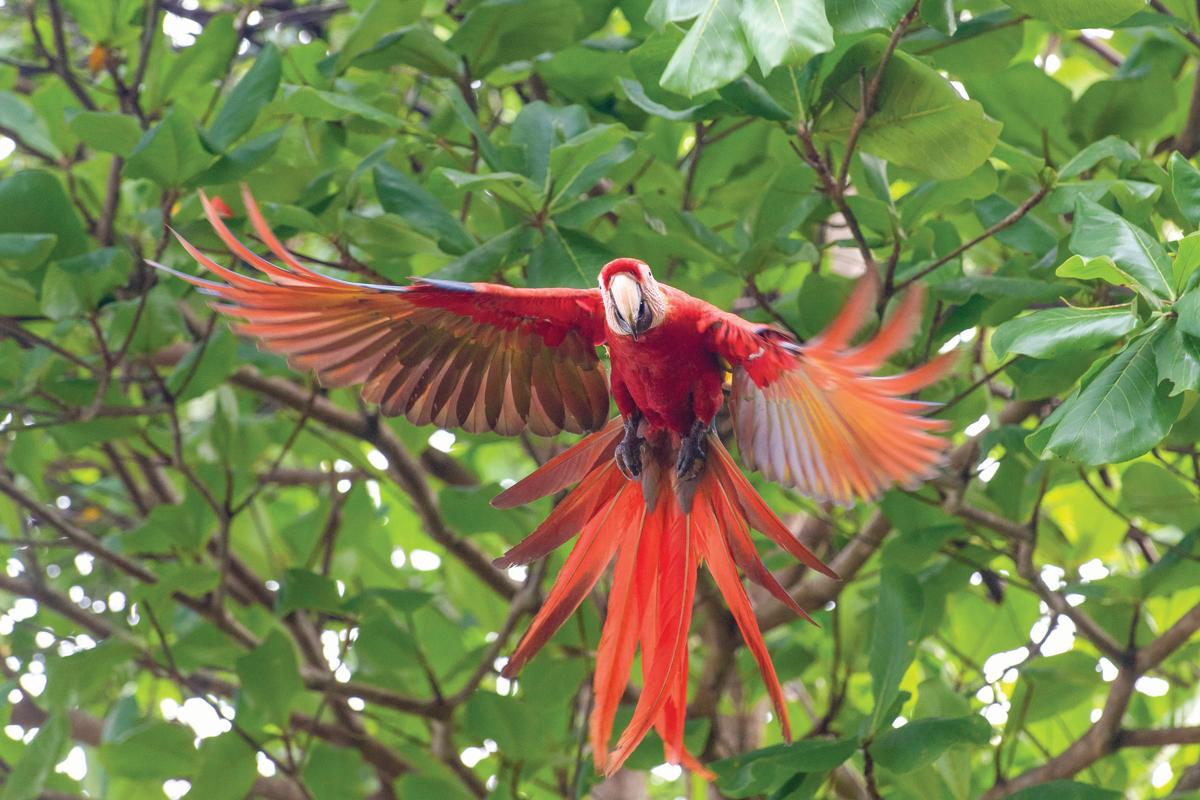
Vibrant scarlet macaws fly amongst the trees in Corcovado National Park.
Guests look on in awe as the National Geographic Quest transits the Panama Canal, one of the greatest modern engineering feats in the world.
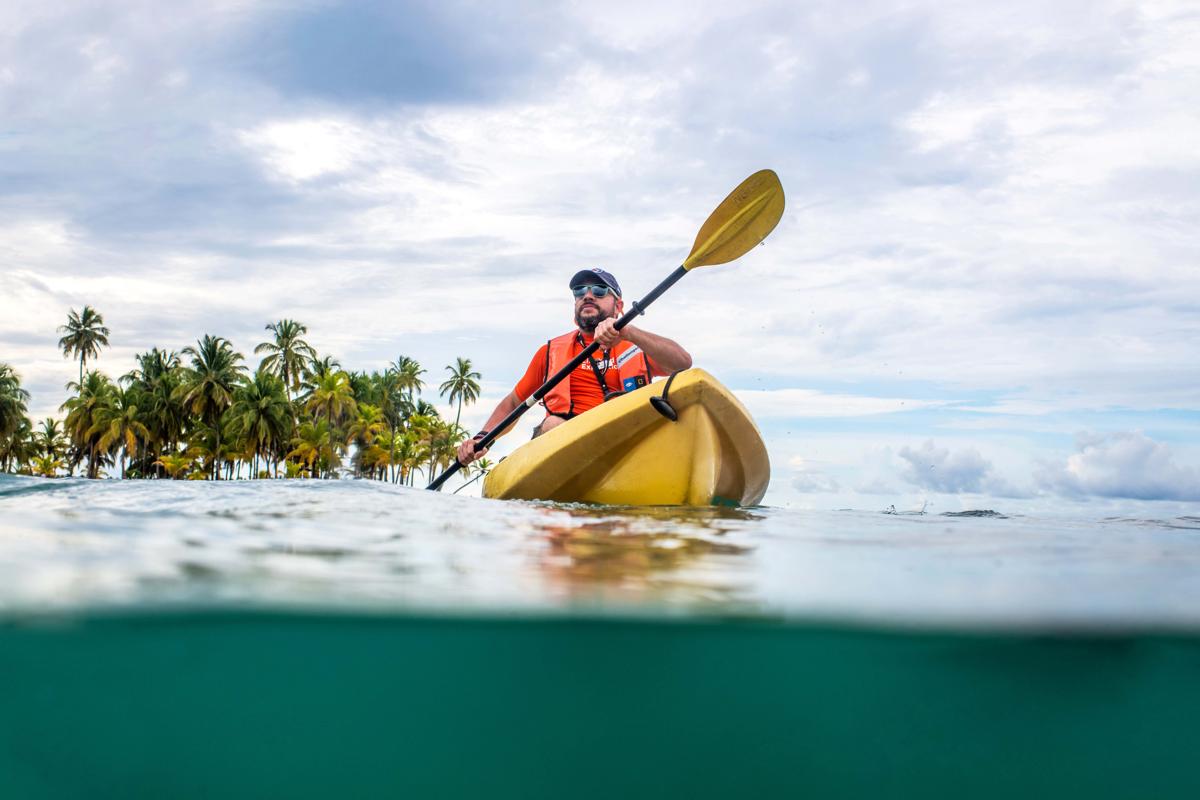
A traveler ventures out in the turquoise waters of the Islet of Anmardub by kayak.
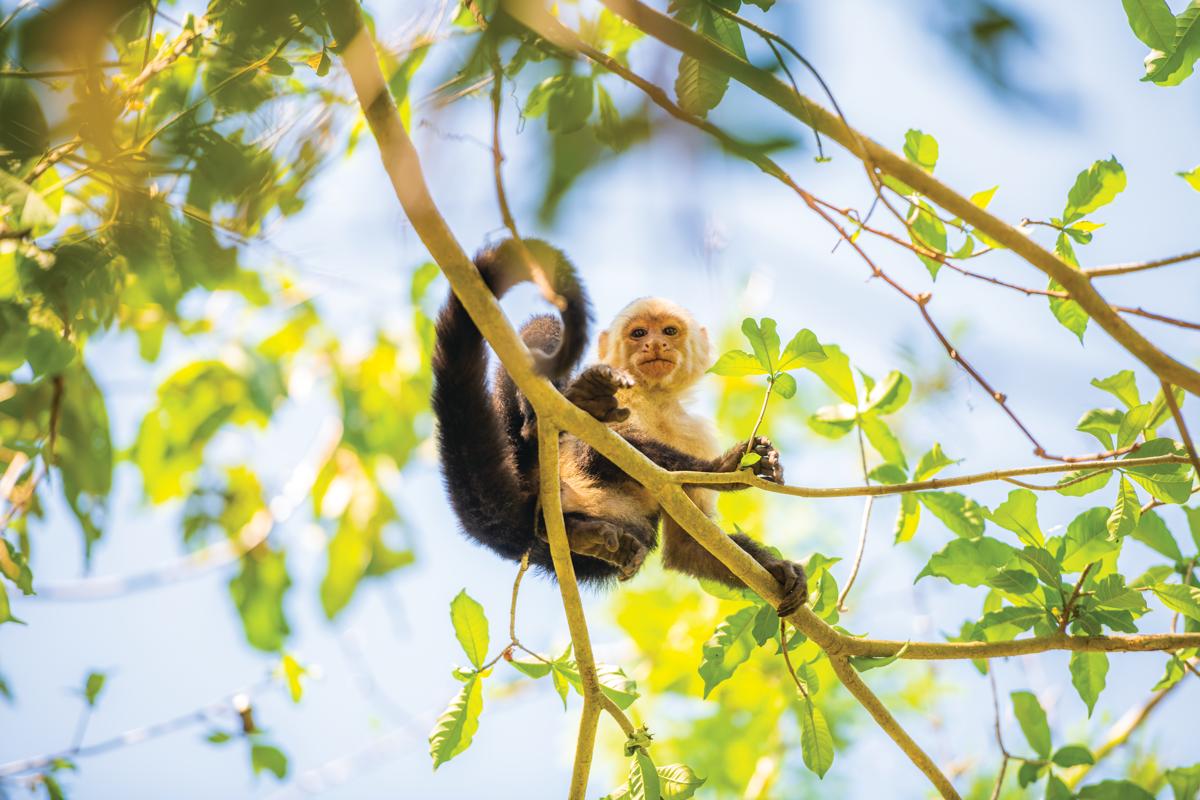
A white-faced capuchin monkey, the most intelligent among all New World monkeys, climbs the trees of Curu Wildlife Reserve.
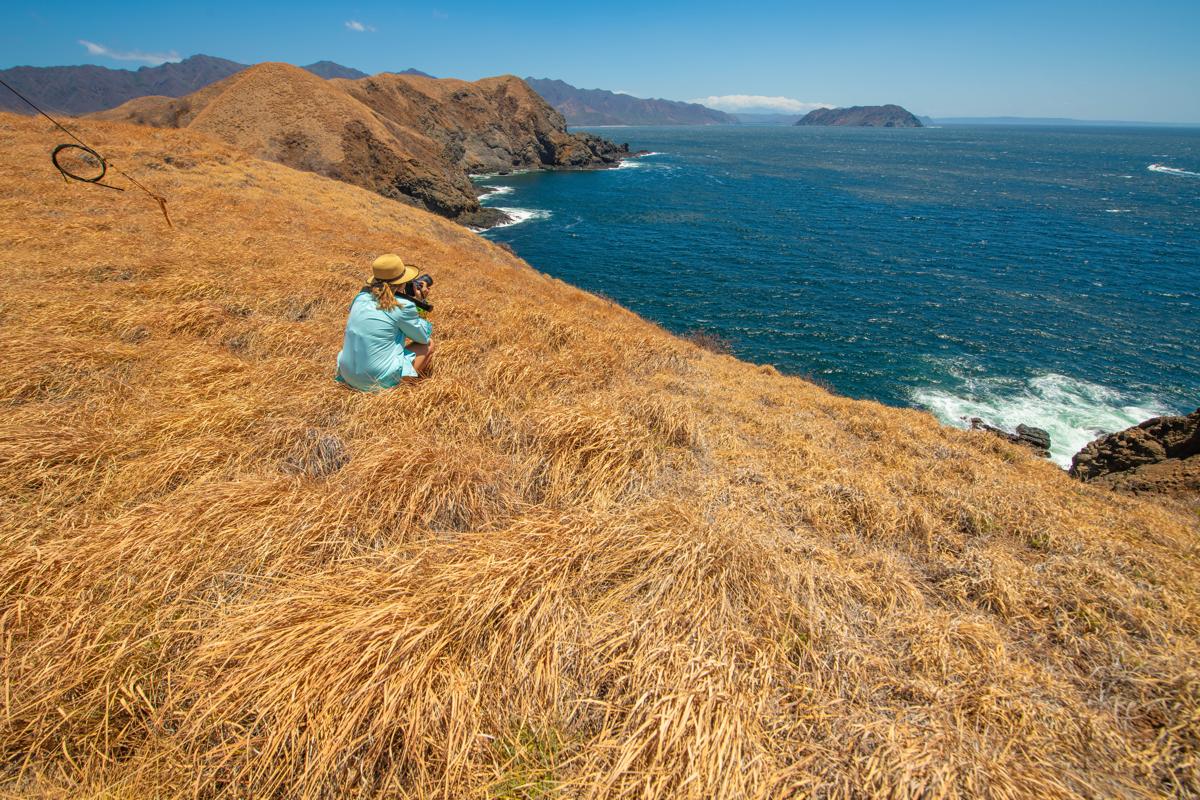
A guest photographs the stunning, untouched landscape in Islas Murciélagos.
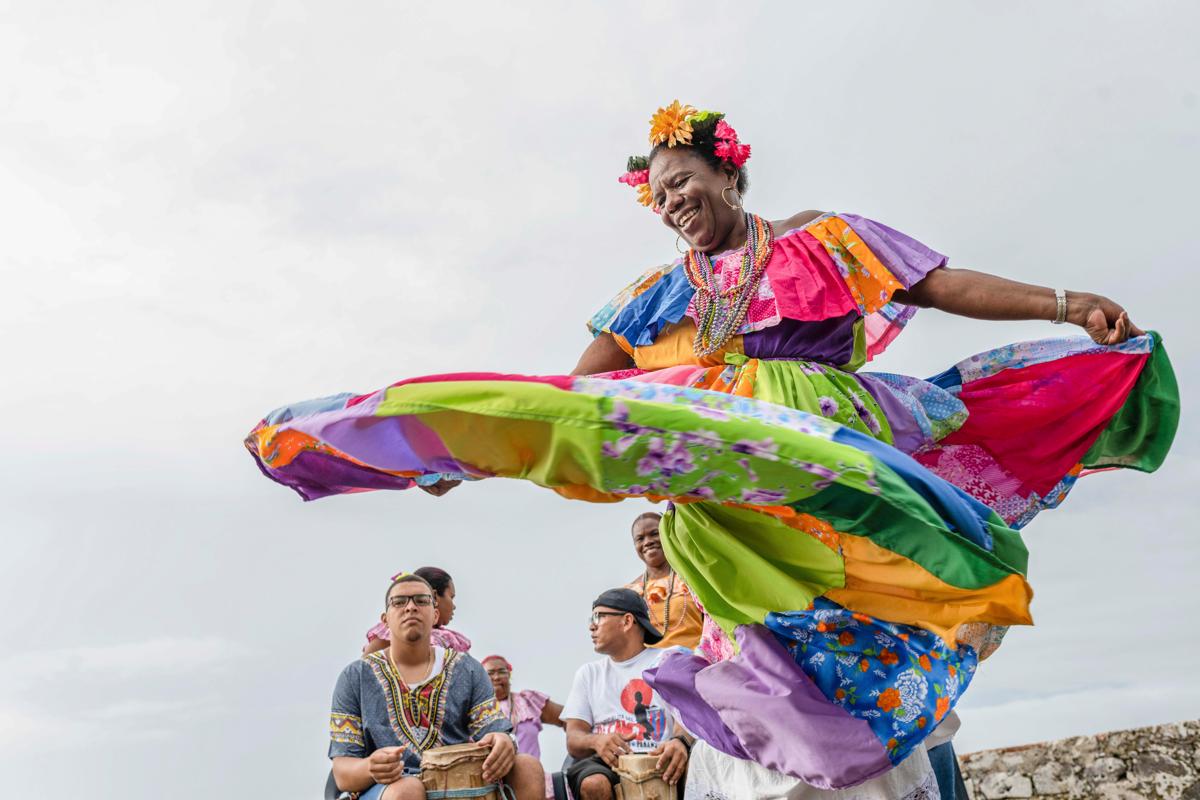
Local dancers perform the Congo Dance of Panama, the most unique and colorful manifestation of folklore in the province of Colón.
A family of local villagers paddles a handmade wooden canoe near National Geographic Quest.
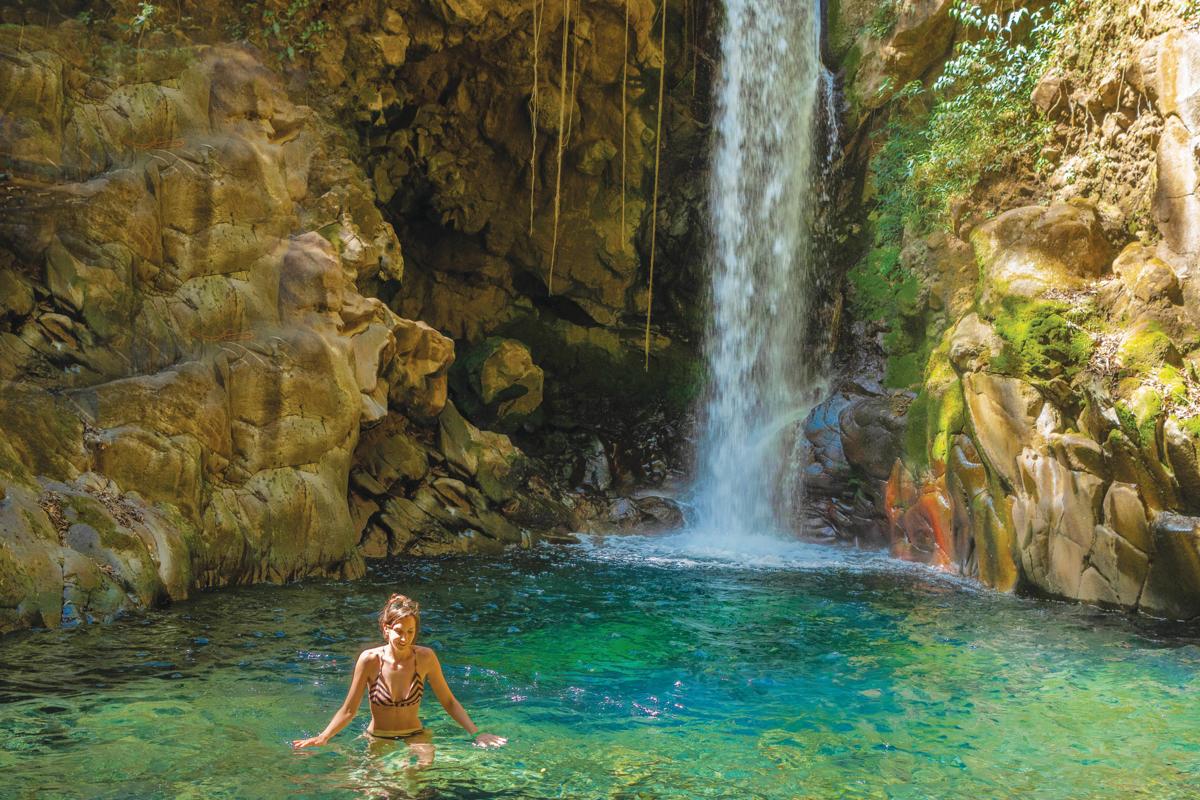
A traveler wades through crystal-clear waters near a majestic waterfall at Guachipelin National Park.
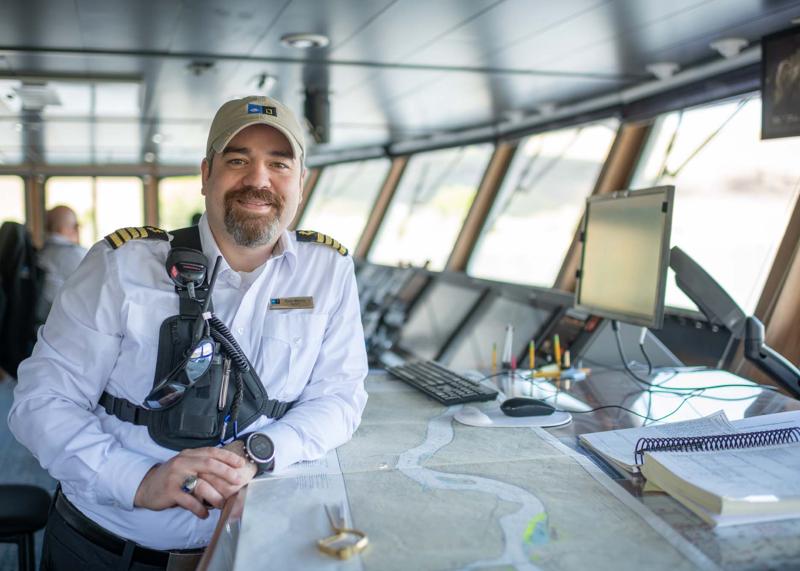
The Panama Canal is a technological wonder that changed the world economy when it opened in August 1914, and transiting this historic waterway is a highlight on Costa Rica and the Panama Canal. Normally, ships take 8-10 hours to transit the Isthmus of Panama, but on a National Geographic-Lindblad Expeditions voyage, you’ll experience the canal and the rainforest that surrounds it over the course of two days. In this episode What to Expect, National Geographic Quest Captain Tim Lyon describes the unique way you'll cross over from the Pacific to the Atlantic Ocean while taking in the lush biodiversity of the area.
