8 Stunning UNESCO Sites to Explore in the Mediterranean
On any Lindblad Expeditions-National Geographic voyage, visits to once-in-a-lifetime destinations are a given, whether they're remote wild places or far-flung cultural treasures. But on five new itineraries aboard the National Geographic Orion, guests have a rare chance to explore some of the most storied ancient sites on the planet.
These eight UNESCO-listed World Heritage Sites—some of them thousands of years old—are the kinds of places scholars dedicate their careers to studying and travelers plan whole trips around. And for those voyaging across the Mediterranean on the elegant National Geographic Orion, visits to these prized heritage sites are merely another incredible stop on an altogether unforgettable journey.
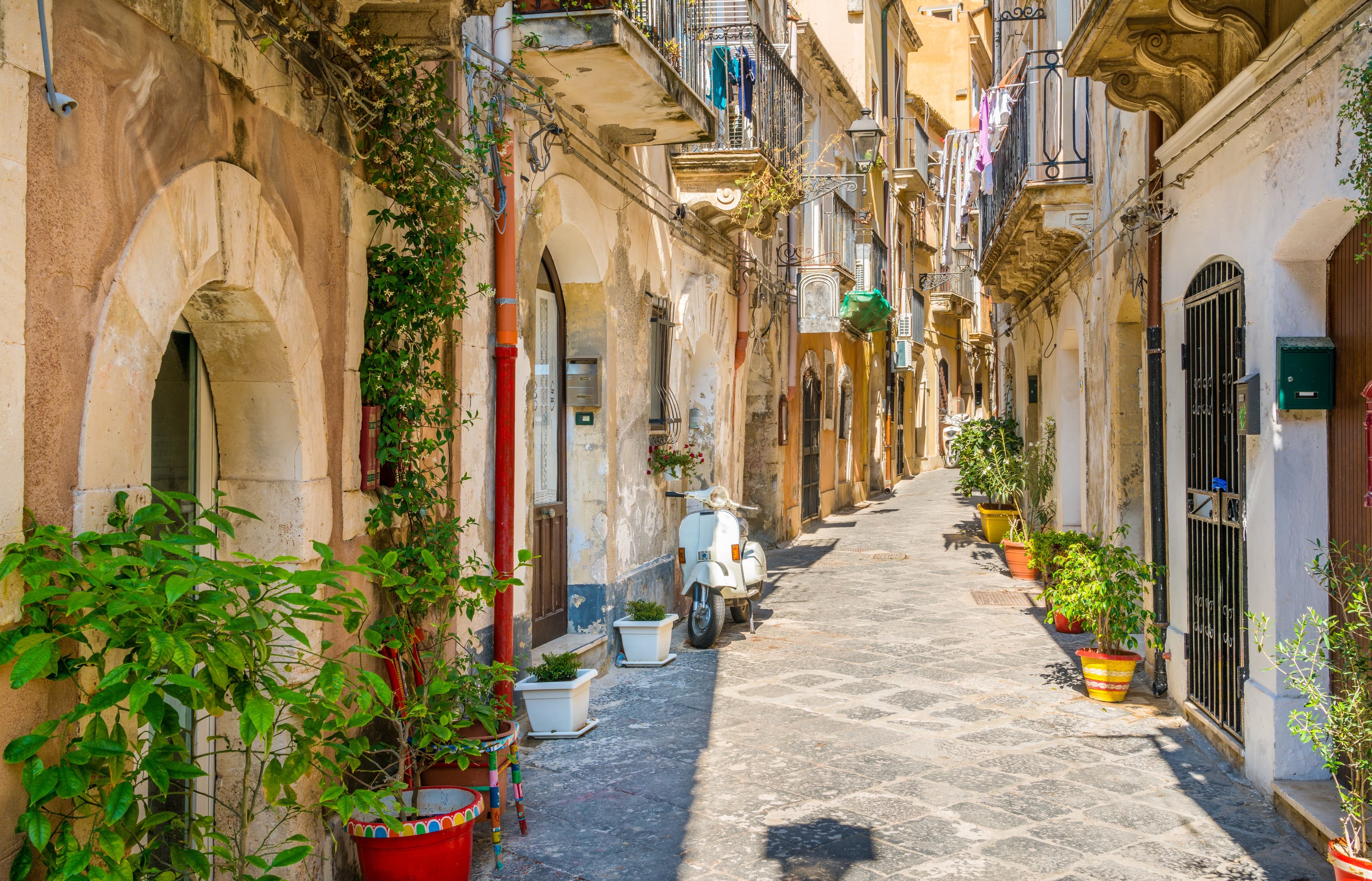
Ortygia
In Sicily, the well-preserved, medieval isle of Ortygia, part of the UNESCO World Heritage site of Ancient Syracuse, was once the site of the 5th-century BCE Temple of Athena. Its remains are now the foundation of a soaring cathedral, and elsewhere in the city visitors can see remnants of various Greek and Roman buildings and an ancient fort. On a Sicilian sojourn aboard the National Geographic Orion, travelers will have the chance to wander Ortygia's colorful alleyways and beautiful city squares, while taking in all of its ancient wonders.
Explore Ortygia on: Mediterranean Wonders: Sicily, Greece, Sardinia, and Beyond >
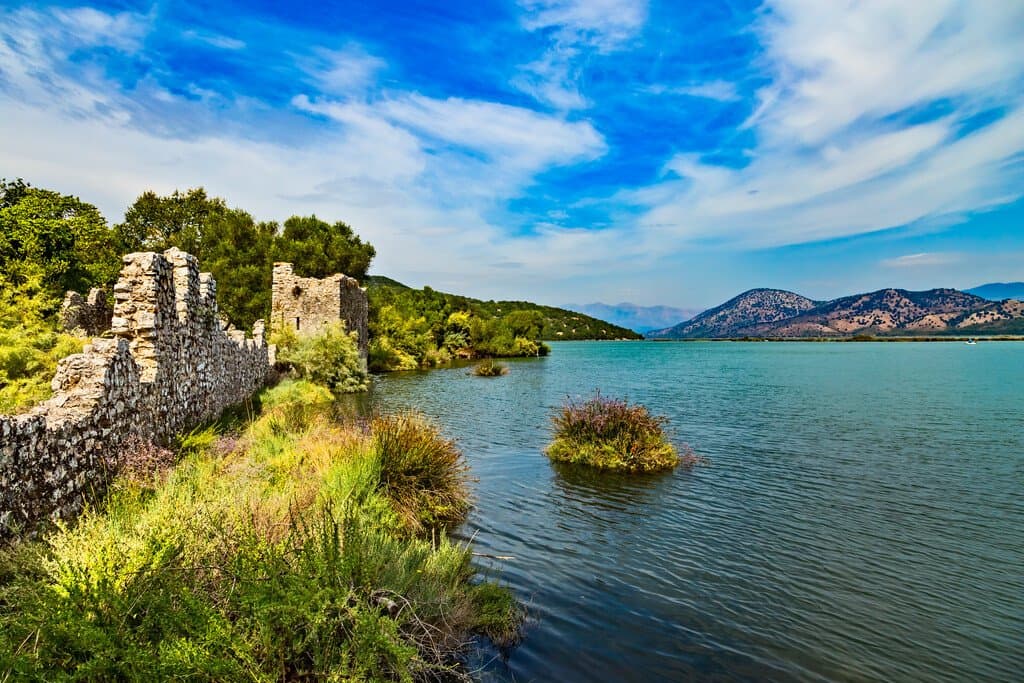
Butrint National Park
Butrint, in the southern reaches of Albania, has seen thousands of years of human activity, dating as far back as the 10th century BCE. But its most notable claims to fame begin in the 7th century BCE, when it was settled by the Greeks. A stop here means a look at the layers of history on display—from the early Greek and Roman ruins to the remnants of Byzantine, Venetian, and Middle Age settlements—as well as a chance to enjoy the marshes, reed beds, sandy beaches, rocky shorelines, and Mediterranean forests that comprise this gem of a national park.
Explore Butrint National Park on: Ancient Mediterranean Odyssey: Exploring Greece, Croatia, and Albania >
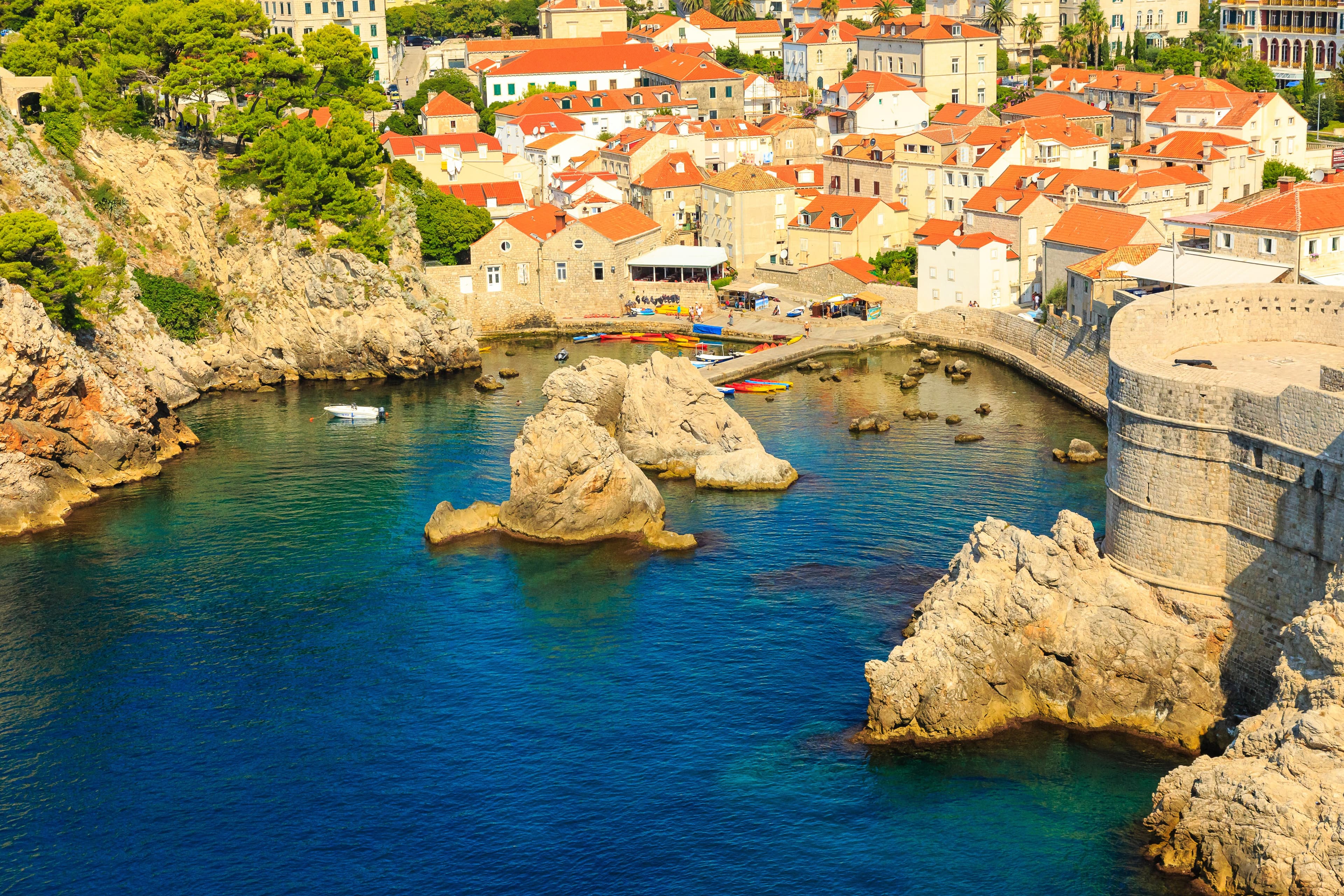
Dubrovnik’s Old City
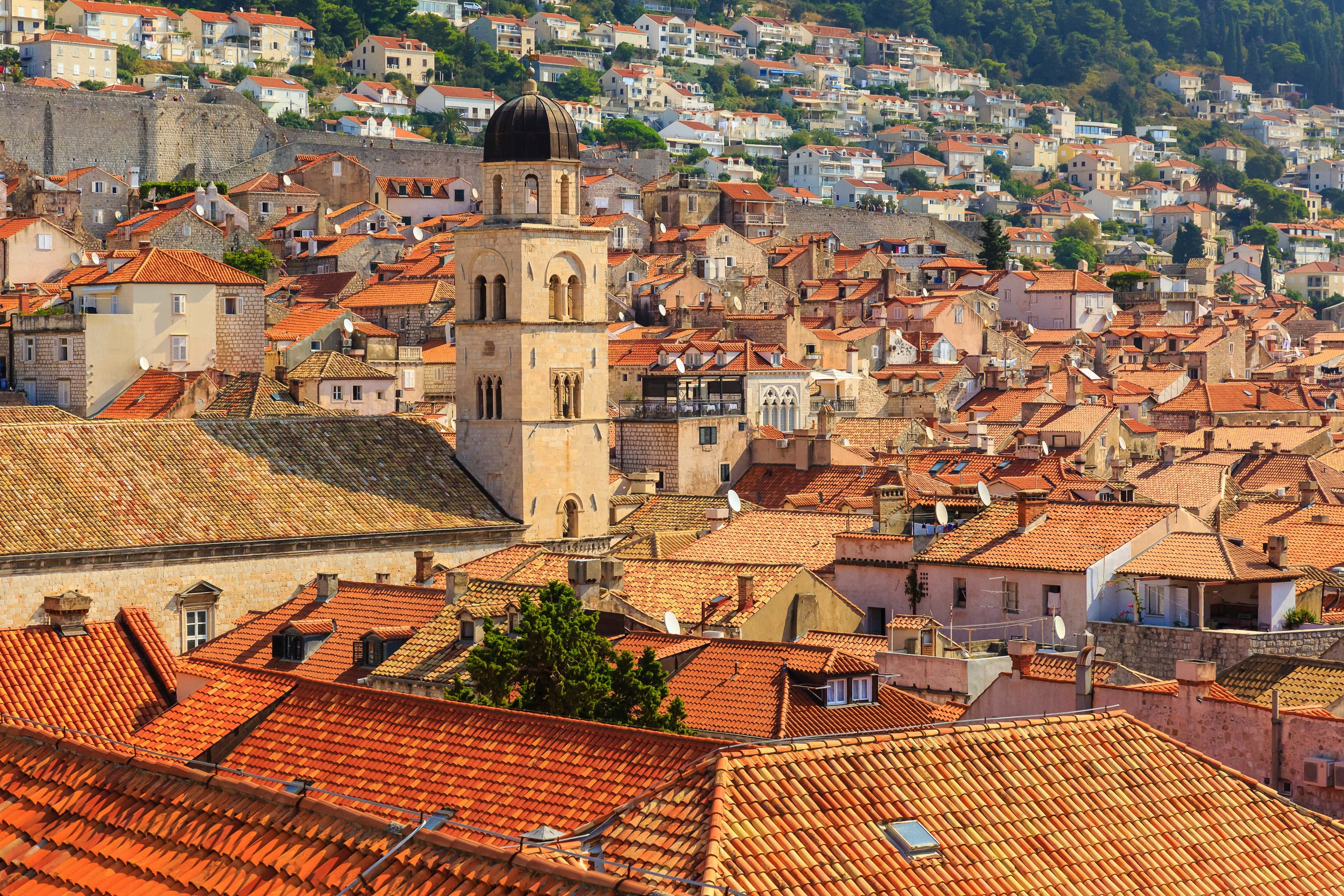
Located on Croatia's dazzling Dalmatian Coast, Dubrovnik is known as the Pearl of the Adriatic, and the reason for the moniker is clear as soon as you set foot within its traffic-free Old City. Wandering within the medieval walls of this UNESCO-designated site, visitors can catch a glimpse of well-preserved buildings from across centuries of architectural styles and traditions, from Baroque churches and Renaissance palaces to the awe-inspiring city walls, which date from the 13th to 17th centuries.
Explore Dubrovnik’s Old City on:
Croatia's Dalmatian Coast and Montenegro >
Ancient Mediterranean: Exploring Greece, Croatia, and Albania >
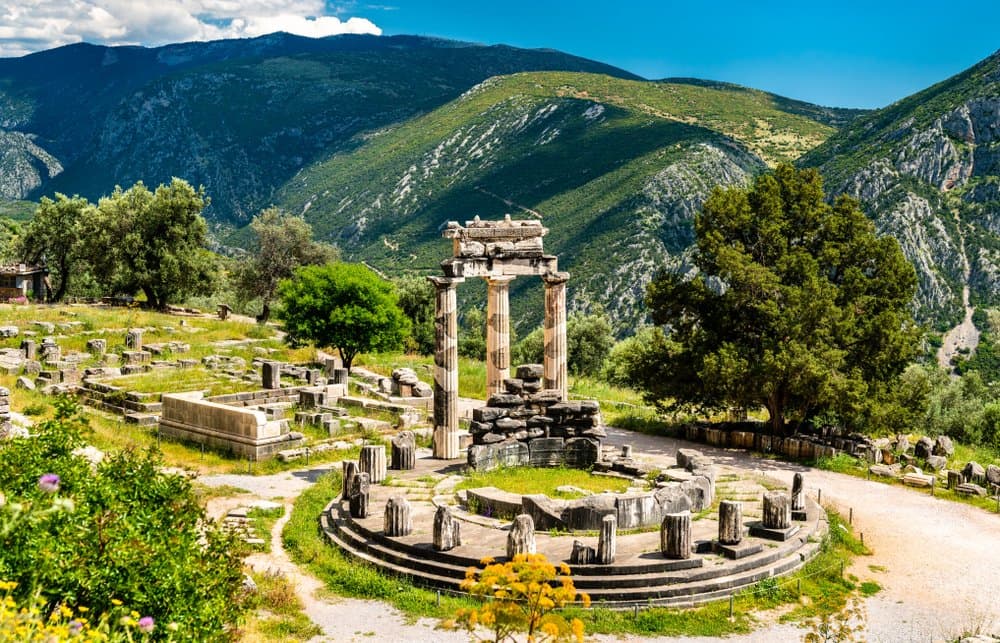
Delphi
Even those with little knowledge of Ancient Greece have likely heard of Delphi and its Oracle, the heart of the empire’s religious life for generations. The precinct once housed a marble monument known as the Omphalos of Delphi, considered the very center of the world by its contemporaries. Travelers exploring this part of the globe with Lindblad Expeditions-National Geographic will have the chance to wander this long-sacred site on the slopes of Mt. Parnassus and see what remains of the Temple of Apollo, where those from across the Greek empire would travel to consult the prophetess known as the Oracle of Delphi.
Explore Delphi on:
Ancient Mediterranean Odyssey: Exploring Greece, Croatia, and Albania >
Mediterranean Wonders: Sicily, Greece, Sardinia, and Beyond >
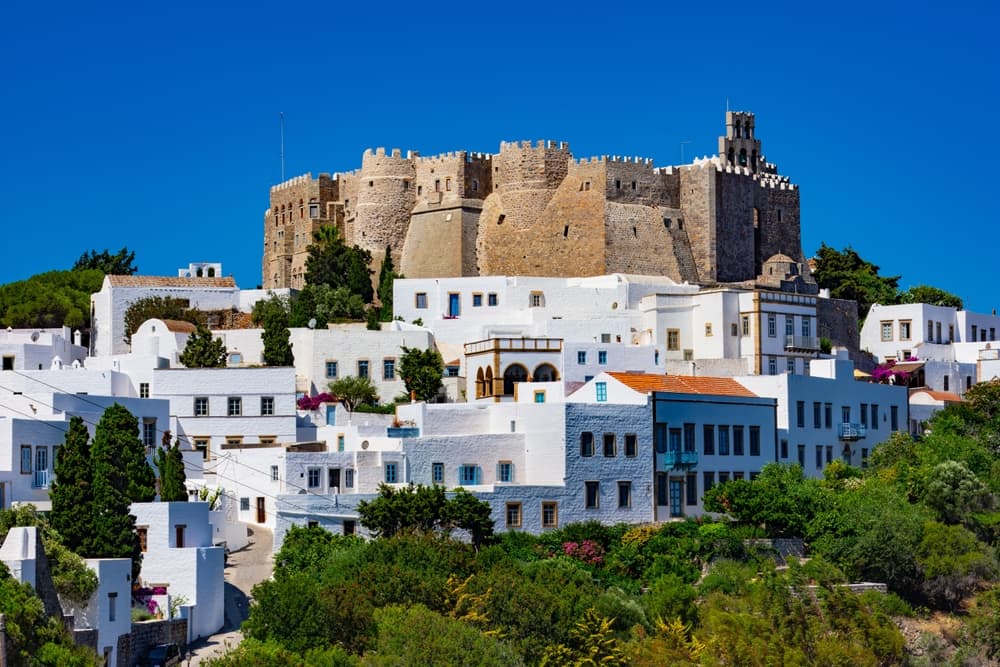
Chorá, the Monastery of Saint John the Theologian, and the Cave of the Apocalypse
While adventuring through Greece and Türkiye, guests will have the chance to visit the isle of Patmos in the Dodecanese, home to three designated World Heritage Sites. The historic settlement of Chorá, itself a UNESCO-listed site, is purportedly where St. John wrote two significant works, and within its bounds are the Monastery of Saint John the Theologian and the Cave of the Apocalypse, where St. John was said to live during his exile and where he dictated his revelation to his disciple Prohorus. Both the monastery and the cave have been meaningful destinations for Greek Orthodoxy since the 11th century and UNESCO World Heritage sites for the past 25 years.
Explore Chorá and the Cave of the Apocalypse on:
Crossroads of the Ancient World: Exploring Greece and Turkey>
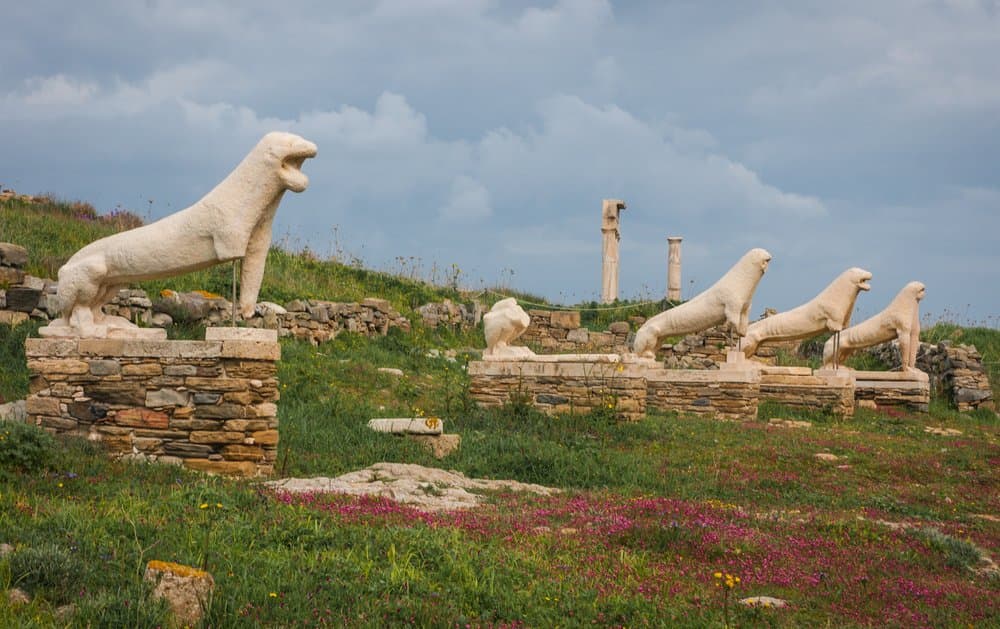
Delos
Ancient Greek mythological tradition calls the island of Delos—a windswept, rocky isle in the middle of the Cyclades—the birthplace of Apollo, the god of sun and light and twin brother to Artemis. As such, it was for centuries a destination for religious pilgrims and a significant Greek trading port, and the remnants of that heyday are still being excavated today. On voyages through the Greek isles, Lindblad Expeditions-National Geographic guests will visit the ancient Temple of Apollo and the Terrace of the Lions, where five carved stone lions stand guard to greet worshippers.
Explore Delos on:
Crossroads of the Ancient World: Exploring Greece and Turkey >
Greek Isles Odyssey: Mythology, History, and Cerulean Seas >
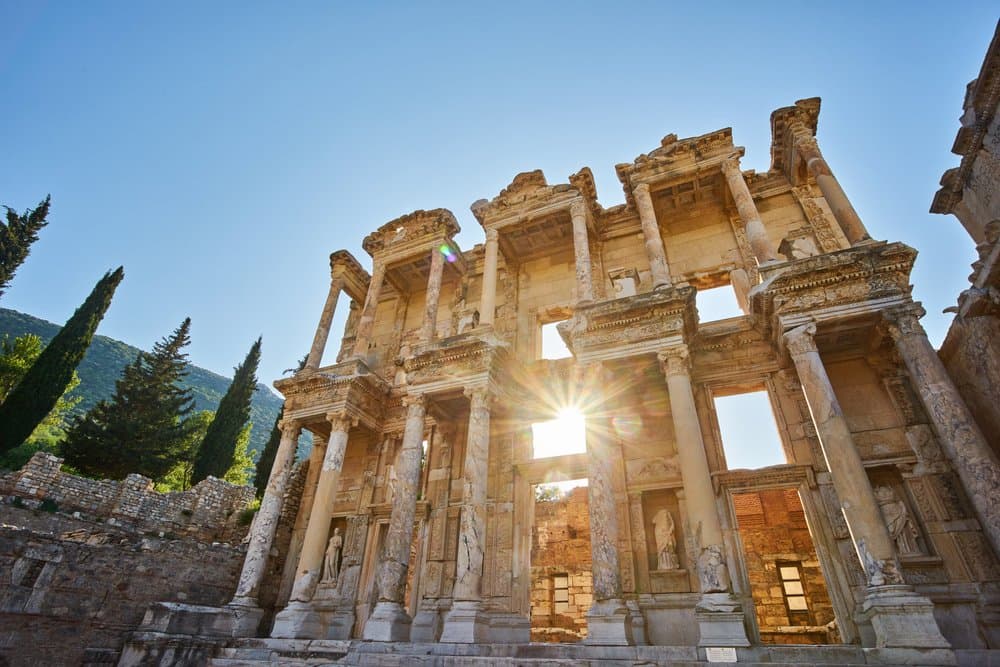
Ephesus
Once the home of the Temple of Artemis, one of the Seven Wonders of the Ancient World, the ancient Greek city of Ephesus has been a pilgrimage destination for millenia. Situated on the coast of what is now Türkiye, the city now stands as one massive, immersive archaeological site, where visitors can wander through what remains of the Library of Celsus, Roman terraced houses, the Great Theatre, and the Temple of Hadrian. After exploring the ancient sites of Ephesus, Lindblad Expeditions-National Geographic travelers will take in a mesmerizing performance by local whirling dervishes.
Explore Ephesus on: Crossroads of the Ancient World: Exploring Greece and Turkey >
The Old Town of Corfu
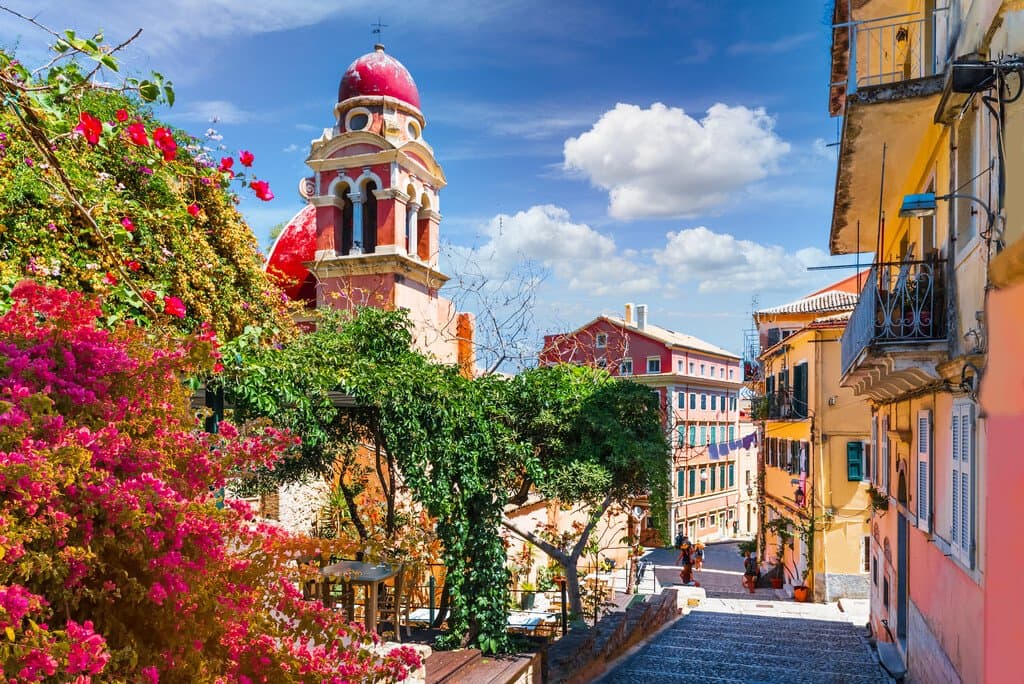
Perched at the entrance to the Adriatic, the island of Corfu is always a favorite stop among Lindblad Expeditions-National Geographic travelers. It’s home to the Old Town of Corfu, the UNESCO-listed site where three imposing Venetian forts served as vital defense outposts for over 400 years. There’s no dreamier way to spend a morning than meandering the city’s labyrinthine cobblestone streets or people-watching in its sun-soaked squares before reboarding the National Geographic Orion en route to your next adventure.
Explore the Old Town of Corfu on: Ancient Mediterranean Odyssey: Exploring Greece, Croatia, and Albania >